A supervolcano eruption sounds like disaster-movie material, and the odds of one happening in your lifetime are low. But the consequences would reach far beyond the blast zone, which is why it earns a place in a serious preparedness plan. The good news is that most of what keeps you alive through a supervolcano is not exotic. It is the same discipline you would apply to any long-duration emergency, aimed at one hazard in particular: ash.
What makes a supervolcano different #
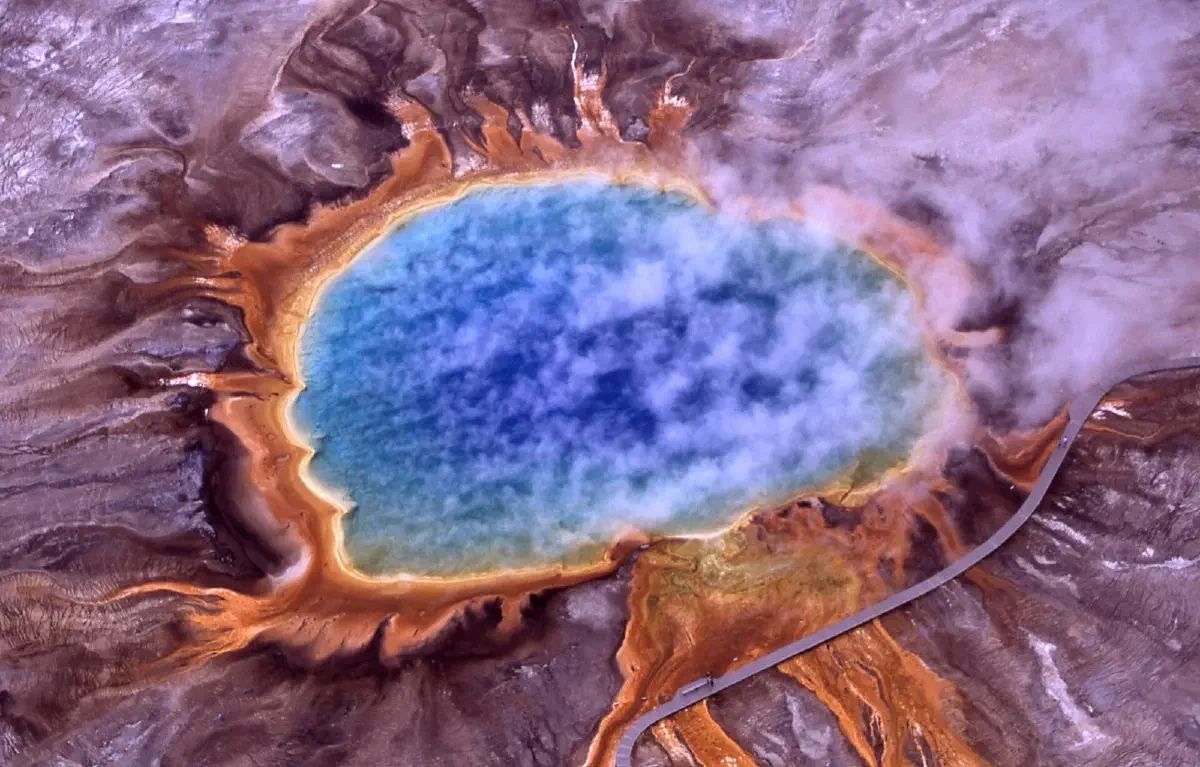
An ordinary volcano pushes magma out through a single vent. A supervolcano sits above a vast magma chamber that can span several kilometers, built up as large reservoirs of molten rock collect beneath the surface. When the pressure in that chamber becomes too great, the result is an eruption that can release thousands of times more material than a conventional volcano.
That scale is what changes the planning. A normal eruption is a regional problem with a clear danger zone. A supervolcano eruption can affect climate, agriculture, and infrastructure across the globe. You are not only preparing to get out of the way. You are preparing to live through weeks or months of disrupted supply, dirty air, and unreliable services.
Warning signs #
Predicting exactly when a supervolcano will erupt is difficult, and no one should promise you a date. Scientists watch for a handful of signals, and you can learn to read the same reports:
- Increased seismic activity, meaning more frequent or stronger earthquakes in the area
- Ground deformation, including swelling or uplift of the surface
- Changes in gas emissions, with more volcanic gas coming out of vents and soil
- Changes in surface temperature
Unusual animal behavior is sometimes reported around volcanoes as well, and it is worth passing on to the authorities if you notice it. No single sign means an eruption is coming. A combination, reported by your local geological agency, is the point at which you stop thinking about preparation and start acting on it. If you live in an at-risk area, talk to local emergency management agencies and geologists early. They can tell you what the monitoring shows, which alert levels apply, and what the official response plan looks like.
Build the plan before anything happens #
Communication and a family plan #
Phone networks are likely to be disrupted in an eruption, so decide in advance how your household will find one another. Pick a meeting point outside your home and a second one farther out. Choose an out-of-town contact whom everyone can call or message, and make sure every family member has that person’s number written down, not just stored in a phone. Walkie-talkies or satellite phones are worth considering if your family spreads out during the day. Every person should know the plan, and you should rehearse it, because a plan nobody has practiced tends to fall apart under stress.
Gather your important documents as well: identification, insurance policies, medical records, and passports. Keep them in a waterproof, fireproof container that you can grab on the way out.
Evacuation routes #
Identify more than one way out of your area, a primary route and at least one alternative, because roads will be blocked or unsafe. Learn where local evacuation shelters are. Then actually drive the routes. Knowing the way in daylight, without traffic, is very different from finding it for the first time under falling ash.
Before you leave, secure the house: close windows and doors and shut off utilities such as gas and electricity. Bring in or tie down anything outdoors that could become a projectile.
The survival kit #
Your kit should be ready to go, stored somewhere you can reach quickly, and sized for an extended stay rather than a weekend. At minimum:
- Non-perishable food and water, with the three-day figure as a floor and a few weeks as the goal
- A first aid kit and any prescription medications
- Flashlights, spare batteries, and a battery-powered or hand-crank radio
- A multi-tool
- Hygiene products and basic sanitation supplies
- N95 or NIOSH-rated particulate masks and sealed goggles for everyone in the household
Rotate your food and medication regularly so nothing is expired when you reach for it. Stockpiles that sit untouched for years are the ones that fail you.
Ash is the main threat #
Far from the eruption itself, ashfall is what most people will deal with. Volcanic ash is not soft like wood ash. It is made of fine, abrasive particles, and it can cause breathing problems, damage infrastructure, and contaminate water sources.
Protecting your breathing #
Stay indoors as much as you can. If you have to go outside, wear a close-fitting N95 mask or a respirator rated for fine particles, and goggles rather than ordinary glasses. A cloth held over your face is a last resort. Long sleeves, long pants, and closed shoes help keep ash off your skin, and a hat keeps it out of your hair. Wash exposed skin and avoid touching your face with ash-covered hands.
Sealing your shelter #
Seal windows and doors with plastic sheeting and duct tape, and stuff damp towels along the gaps under doors. Close all vents and turn off heating and air conditioning systems so they do not pull ash and gas inside. Close curtains and blinds, which cut down on the fine ash that gets in around window frames. Everyone should stay indoors for the duration of the eruption, and you should not leave until the authorities say it is safe.
Your safe room #
Designate a room in advance. It should be on the lowest level of your home, away from windows, with room for everyone and stocked with water, food, and first aid supplies. A sturdy building well away from the eruption site and any lava flows is ideal. If you can reinforce the roof and structure against the weight of ash and debris, do so. Wet ash is heavy, and roofs have collapsed under it.
During an eruption #
If an eruption is imminent or underway, the sequence is simple:
- Stay indoors and seal the house with damp towels and tape.
- Follow instructions from local authorities, particularly evacuation orders.
- Monitor updates by radio, television, or official websites. A battery-powered radio matters here because power and internet may fail.
- Protect your airway with a mask or, failing that, a damp cloth.
- Stay off the roads. Driving in ash reduces visibility, clogs engines, and exposes you to the very particles you are trying to avoid.
If authorities order an evacuation, go. Do not wait to see how bad it gets.
After the eruption #
The aftermath can be as dangerous as the event. Do not rush outside.
- Stay put until you are told it is safe. Toxic gases and ash remain a hazard after the main eruption has ended.
- Check for injuries and give first aid. Get medical help for breathing difficulty, eye irritation, or skin rashes, which can be signs of exposure to harmful gases and ash.
- Inspect your roof for damage from falling ash and debris, and have a professional assess and repair anything you find.
- Assess the damage to your property and document it with photographs for insurance claims.
- Clean up carefully. Wet the ash down with water so it does not become airborne, and wear a mask, gloves, and goggles while you work. Avoid leaf blowers and dry sweeping, which throw fine particles into the air.
- Look after your mental health. An event like this is traumatic. Reach out to support services and mental health professionals, and stay in touch with the people close to you.
Stockpiling for the long haul #
The disruption after a supervolcano eruption could last far longer than the eruption itself. Food, water, and medical supplies may be scarce, and the usual supply chains may be slow to recover. Beyond the kit, build up a larger store of non-perishable food, bottled water, medication, and hygiene products, and rotate it. Keep some cash on hand in case ATMs and card readers are down.
Community matters #
You will be better off with neighbors than without them. Get to know the people near you, along with local community organizations and emergency services, and build a network you can rely on. Share what you have planned, trade resources, and look in on those who need extra help, such as elderly neighbors or families with young children. Joining a community emergency response team, if one exists in your area, gives you training and a ready-made network.
Keeping it in proportion #
Surviving a supervolcano eruption may seem like an overwhelming task, but preparation and a steady head do most of the work. Know what the hazard is, watch the warning signs, and have your plan, your route, and your kit sorted before you need them. After that, the best defenses are the unglamorous ones: stay informed, stay calm, and follow the advice of the people who monitor the volcano for a living.
Related reading on this site: asteroid impacts and sheltering in place. The wider crisis and medical section collects the rest of the emergency-planning guides.