Cities are full of food that nobody is picking. Dandelions push up through lawn edges, purslane fills sidewalk cracks, and fruit and nut trees drop their harvest on parks and side streets every autumn. For someone building a food plan around limited garden space, foraging is a way to stretch what you grow, and it teaches plant identification skills you’d want in any longer emergency.
It also has real risks that country foraging doesn’t. City soil and air carry contaminants, rules vary by municipality, and a misidentified plant or mushroom can make you seriously ill. This guide starts with where to forage and what to avoid, then moves through identification, tools, ethics, seasons, preparation and storage.
Know the rules before you pick anything #
Start with the law. Cities and counties differ a lot: some allow foraging in public parks, some prohibit it outright, some require permits or restrict certain species. Look up your local regulations first, and don’t assume that something growing on public land is fair game.
Private property is a separate matter. Ask before you harvest from anyone’s yard, and respect any limits they set. Plenty of homeowners are glad to see a neglected fruit tree get used, but you have to ask.
Choose clean places to forage #
The biggest hazard in urban foraging is contamination. Plants take up what’s in the soil and what lands on their leaves, so where you pick matters as much as what you pick.
Avoid:
- Roadsides with heavy traffic, where exhaust and road runoff settle on plants.
- Industrial sites and areas near chemical treatment facilities.
- Lawns and verges that are sprayed with pesticides or herbicides. If you don’t know the spray history, leave it.
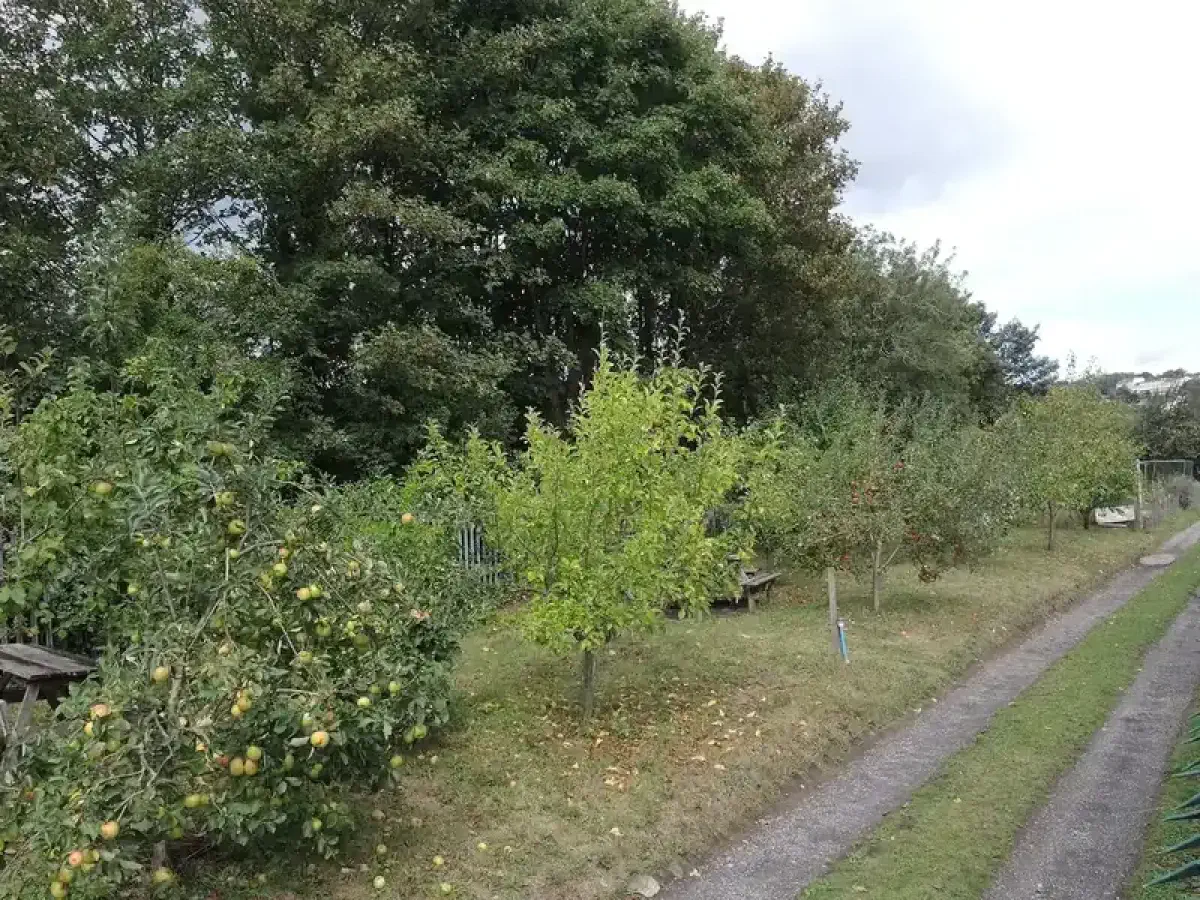
Look instead for parks, gardens and green spaces where pesticide use is low or absent. Community gardens, urban orchards, quiet trails and abandoned lots away from traffic and industry can all be productive. Wash everything you bring home no matter where it came from.
Start with a few plants you can identify cold #
Accurate identification is the central skill. Do your research before you go out, not in the field. Learn how a plant looks through the seasons: its leaves, stems, flowers and fruit, and above all any poisonous look-alikes. Carry a regional field guide, and if you use a foraging app, treat its answer as a suggestion to check, not a verdict. Some apps use photo recognition, and they are helpful but they make mistakes.
The most reliable way to learn is with people. Local foraging groups and workshops put you in front of real plants with someone experienced who can correct you. Join one before you eat anything you’re not certain of. The rule is simple: if you are in doubt, don’t eat it.
Good plants to begin with are common and easy to recognize:
Dandelion. The whole plant is edible, root to flower. The greens go in salads, the flowers can be made into tea or wine, and it turns up in parks, lawns and vacant lots.
Chickweed. It grows in moist, shady spots and has small star-shaped flowers. The leaves are mild and slightly sweet, and they work in salads, soups and stir-fries.
Purslane. A succulent that grows in sidewalk cracks and garden beds, with a slightly tangy flavor. It’s eaten raw or cooked and is rich in omega-3 fatty acids and antioxidants.
Plantain. Not the banana relative, but the common weed. It’s found nearly all year, and the leaves are high in vitamins A and C. They go in salads and soups, and the leaves are also used as a poultice for insect bites and minor wounds.
Other plants that turn up in cities include violets, lambsquarters and clover. In spring look for early greens like chickweed and violets; summer brings berries such as blackberries and raspberries; fall is the time for mushrooms and for nuts like chestnuts.
A word about mushrooms #
Mushrooms deserve their own caution. Many species are toxic, some are deadly, and several poisonous ones look very like edible ones. Don’t forage mushrooms from a book alone. Attend workshops or join a mushroom hunting group and learn from people with experience before you eat any wild fungi.
With that understood, cities do yield good species. Oyster mushrooms grow on decaying trees and logs and have a delicate flavor, and wine cap mushrooms, with an earthy, meaty taste, often show up in mulched beds and wood-chip areas.
What to carry #
You don’t need much, and what you do need is inexpensive:
- Sturdy gloves for thorns, prickles and any plant that might irritate your skin.
- A field guide for your region.
- Pruning shears or scissors for clean cuts on leaves and stems, and a small trowel for roots.
- Reusable cloth bags or a basket. Cloth and baskets let plants breathe and cut down on waste. Carry mushrooms separately in a basket so they aren’t crushed and don’t mix with other finds.
- A backpack comfortable enough to wear for a few hours.
Wear long sleeves and pants against brambles and sturdy boots for ankle support and for rough ground.
Harvest ethically #
Foraging in a city means sharing the space with other people and with the plants themselves. The principles are the same as in the wilderness:
- Take only what you need and will use. Don’t strip a patch. Leave enough plants for them to regrow and reproduce, and for wildlife that depends on them.
- Cut cleanly. Use clean, sharp tools and trim leaves or stems rather than uprooting the whole plant, unless you want the root.
- Leave no trace. Don’t trample vegetation, don’t damage habitat, and pick up any litter, including your own.
- Favor abundant and invasive plants. Harvesting species that are native but plentiful, or invasive ones that you’re helping to control, does less harm than taking rare plants.
- Share what you learn. Online foraging groups and local workshops help everyone, and a tip about a productive tree or a patch of greens goes a long way in building a community of foragers.
Protect yourself #
Before you eat any new wild food, take a few precautions.
Know your allergies and limits. Some people react to particular plants or fungi. Taste a small amount of anything new first, wait to see how you feel, and stop at any sign of a reaction.
Wash thoroughly. Rinse plants and mushrooms in cold running water, use a soft brush for stubborn dirt without damaging delicate tissue, and wash your hands before and after handling.
Keep it clean. Maintain clean work surfaces and utensils, and keep foraged food away from raw meat.
Be realistic about contamination. You can’t see heavy metals or chemical residues. This is the reason to choose your harvest sites carefully rather than counting on washing to fix a bad location.
season by season #
Once the basics are solid, you can work on timing and range.
Track the seasons. Different plants peak at different times, so plan trips accordingly. Note when each plant in your area flowers, fruits and goes to seed. Over a year or two you’ll build a calendar of what to look for and when, and it will tell you which spots are productive. Early spring is the time for greens, summer for berries, and autumn for mushrooms and nuts.
Widen your range. Wildcrafting extends beyond greens to wild herbs, mushrooms, nuts, seeds and edible flowers. Each new category means more identification work, so expand one step at a time.
Know your neighborhood. Mapping fruit trees, community garden beds and quiet green corners near where you live gives you somewhere to start when you have an hour free.
Store and preserve what you gather #
Fresh wild greens don’t keep long. Store them in a cool place in breathable containers or paper bags, not sealed plastic, which traps moisture and encourages mold.
For longer storage, dry or dehydrate herbs and flowers. Spread them in a single layer on a screen or paper towel in a well-ventilated spot away from direct sunlight, let them dry until they are crisp, then store them in airtight containers. Berries and fruit can become jams, or be eaten fresh. Mushrooms can be dried as well.
Cooking with what you find #
Part of the pleasure is eating it. A few simple uses:
Wild salad. Mix dandelion leaves, chickweed and plantain, and dress them with a plain vinaigrette. Wild garlic or lemon balm makes a good herb for the dressing.
Foraged pesto. Blend wild garlic, nettle or sorrel with nuts, olive oil and Parmesan. Spread it on bread, toss it with pasta or drizzle it over grilled vegetables.
Sautés, soups and stir-fries. Edible greens cook like spinach. Berries go into pies, smoothies and jams.
Where to start this week #
Pick one plant from the list above, such as dandelion or plantain. Find out whether foraging is allowed in the park nearest you. Walk the route in daylight with a field guide, and confirm the identification against the book’s description of leaves, stems and flowers. Pick a small amount from a clean spot, wash it, and taste a little. Then repeat with a second plant. Within a season you’ll have a short list you trust, which is worth more than a long list you half-know.
Related reading: Food and water; Developing A Sustainable Foraging Strategy For All Seasons; Sustainable Foraging: Rules And Ethics; The Ultimate Guide To Backyard Foraging: Edible Plants And Mushrooms