When the power grid goes down, your stove, microwave, and refrigerator stop working, but you still need to eat well. This article covers methods and tips for cooking nourishing meals without relying on the usual conveniences. It’s useful whether you camp, prep, or just want more self-reliance.
Planning for a Grid-Down Scenario #
In a grid-down scenario, where access to electricity and modern conveniences is lost, it is crucial to have a plan in place for ensuring you have an adequate food supply. Assessing your current food resources and determining your nutritional needs are the first steps in preparing for such a situation.
Assessing your food resources #
Take inventory of the food you currently have in your pantry and any other storage areas. Consider the shelf life of each item and prioritize those that are nearing expiration. Take into account the quantity of each food item, as well as its nutritional value.
Determining nutritional needs #
It is essential to understand your nutritional needs to ensure you are adequately prepared for a grid-down scenario. Calculate the number of calories, protein, carbohydrates, and fats you require daily. Consider any specific dietary restrictions or allergies you may have. This information will guide you in selecting and stocking essential foods.
Stocking Essential Foods #
Stocking essential foods is vital for surviving a grid-down scenario. Here are three categories of foods to consider:
Long-lasting staples #
Stock up on long-lasting staples that have a high nutritional value, such as rice, beans, oats, and wheat. These foods can be stored for an extended period and provide a good source of carbohydrates and protein.
Canned and preserved foods #
Canned and preserved foods, such as fruits, vegetables, and meats, are excellent additions to your food supply. These items have a long shelf life and retain their nutritional value. Make sure to rotate your stock and consume items before they expire.
Dehydrated and freeze-dried foods #
Dehydrated and freeze-dried foods are lightweight, compact, and easy to store. They often retain their nutritional value and can be rehydrated using water. Invest in dehydrated fruits, vegetables, and meats to diversify your food options.
Growing Your Own Food #
Having the ability to grow your own food is a sustainable way to ensure a continuous supply, even in a grid-down scenario. Consider the following steps:
Choosing the right seeds #
Select seeds that are suited for your climate and have a long shelf life. Stock up on heirloom seeds, as they are open-pollinated and allow you to save seeds from one harvest to plant in the future.
Creating a sustainable garden #
Start a garden to grow your own fruits, vegetables, and herbs. Utilize raised beds, containers, or vertical gardening techniques if space is limited. Remember to learn proper gardening techniques and rotate your crops to maintain a healthy garden.
Foraging for Wild Edibles #
In a grid-down scenario, being able to identify and utilize wild edibles can supplement your food supply. Follow these guidelines:
Identifying edible plants #
Educate yourself on the plants native to your region that are safe for consumption. Learn to distinguish between edible plants and poisonous ones. Field guides and local foraging groups can be excellent resources for learning about wild edibles.
Harvesting and preparing wild edibles #
When foraging for wild edibles, ensure you only take what you need and do not harm the ecosystem. Research proper harvesting techniques and learn how to prepare wild edibles to maximize their nutritional value.
Food Preservation Techniques #
Preserving your food is crucial to extend its shelf life and prevent spoilage. Consider the following preservation techniques:
Canning #
Canning allows you to store your own fruits, vegetables, and meats in jars. Learn the proper canning methods, such as water bath canning and pressure canning, to preserve food safely.
Dehydrating #
Dehydrating food removes the moisture, preventing bacterial growth and spoiling. Invest in a food dehydrator or learn how to sun-dry food for long-term storage.
Freezing #
If you have access to electricity, freezing is an effective way to preserve perishable food items. Invest in a chest freezer and ensure you have a backup power source, such as a generator or solar power, in case of power outages.
Cooking Without Electricity #
In a grid-down scenario, cooking without electricity becomes a necessity. Here are a few methods to consider:
Building a makeshift stove #
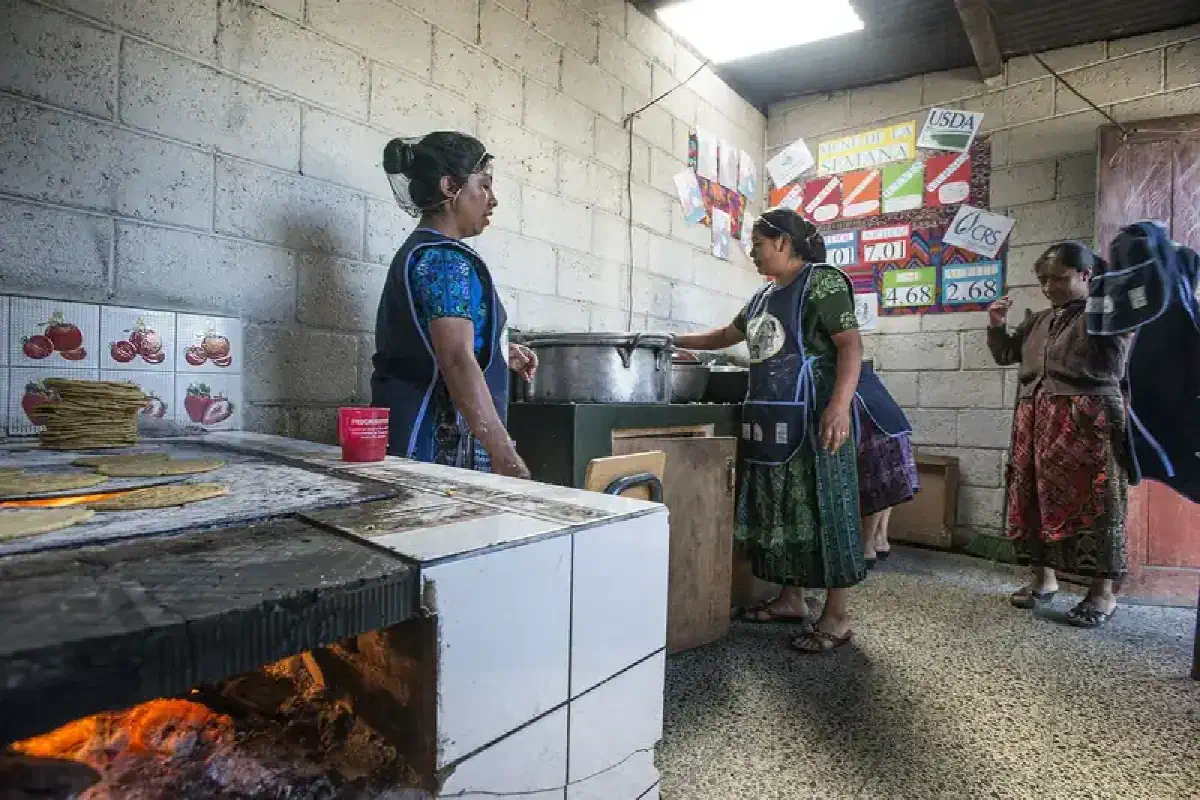
Constructing a makeshift stove using materials such as bricks or cinder blocks can provide a stable cooking surface. Use firewood, charcoal, or propane as fuel sources.
Using alternative cooking methods #
Explore alternative cooking methods such as solar cookers, rocket stoves, or Dutch ovens. These methods utilize renewable energy sources and can be effective in preparing meals.
Balanced Meal Planning #
Even in a grid-down scenario, it is essential to maintain a balanced diet. Consider these factors when planning your meals:
The importance of macronutrients #
Ensure your meals include a balance of macronutrients - protein, carbohydrates, and fats. Incorporate a variety of protein sources, whole grains, and healthy fats for optimal nutrition.
Incorporating a variety of foods #
To prevent nutrient deficiencies, incorporate a diverse range of fruits, vegetables, and protein sources into your meals. This helps ensure you are getting a wide array of vitamins, minerals, and other essential nutrients.
Improvising with Limited Ingredients #
In a grid-down scenario, you may need to make do with limited ingredients. Consider these options:
Substituting ingredients #
When a specific ingredient is not available, learn about suitable substitutes. For example, use dried herbs instead of fresh, or use powdered milk instead of fresh milk.
Creating flavor with spices and herbs #
Spices and herbs add flavor to meals and can help make limited ingredients more enjoyable. Stock up on a variety of spices and learn how to use them to enhance the taste of your dishes.
Water Purification #
Access to clean water is vital for survival. During a grid-down scenario, consider the following methods to ensure your water is safe to drink:
Filtering water sources #
Invest in portable water filters or learn how to create DIY filters using materials like sand, charcoal, and cloth. These filters can remove impurities and make water safe for consumption.
Boiling and disinfecting techniques #
Boiling water is an effective way to kill bacteria, viruses, and parasites. Consider investing in a portable camping stove or constructing a fire pit to boil water. Alternatively, learn about water disinfection tablets or other chemical water treatment methods.
Adapting Recipes for Limited Resources #
In a grid-down scenario, adaptability is key. Consider these tactics when preparing meals:
One-pot meals #
Cooking one-pot meals minimizes the need for multiple cooking utensils and simplifies the cooking process. Explore recipes that combine different food groups into a single dish.
Campfire cooking #
Learn how to cook over a campfire by using a grill grate or cast-iron cookware. This method allows you to utilize open flames for cooking and adds a unique smoky flavor to your meals.
Preparing for a grid-down scenario requires careful planning and consideration of essential factors such as assessing food resources, stocking necessary items, and developing sustainable food sources. By following these guidelines and preparing accordingly, you can ensure that you and your loved ones have access to nutritious meals, even in challenging circumstances.
Related reading: Food and water guide; high-calorie meals from pantry staples; planning meals with stored food; food rationing in extended emergencies