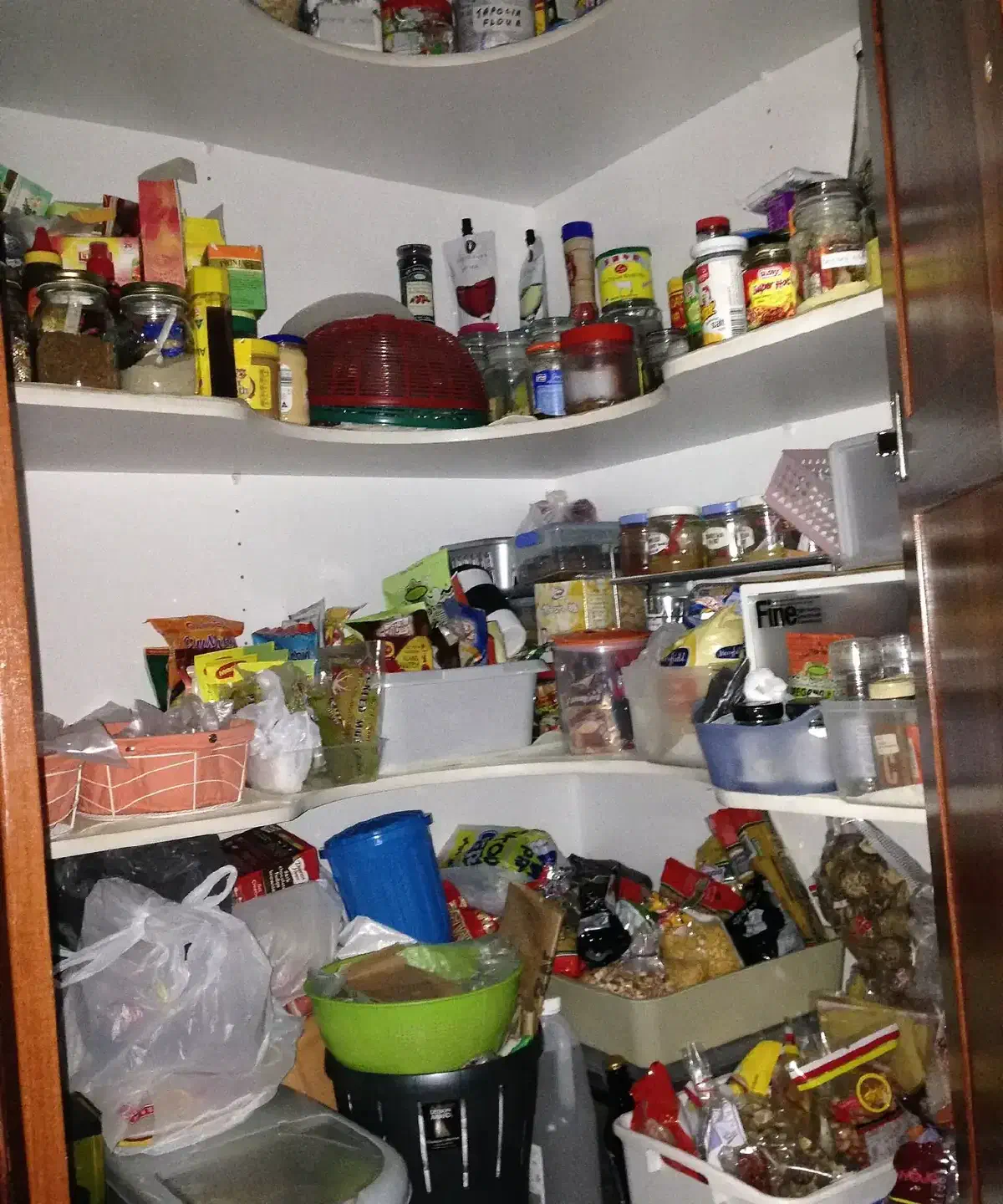
Are you interested in getting your pantry prepped and organized for any situation that may come your way?
The Importance of a Well-Organized Pantry #
Having a well-organized pantry is essential for any prepper. Not only does it make it easier to find the items you need quickly, but it also ensures that your supplies are easily accessible and ready to use in case of an emergency.
Benefits of Organizing Your Pantry #
When your pantry is organized, you can easily take inventory of your food supplies and avoid any unnecessary purchases. It also helps prevent food from spoiling as you know exactly what you have and where it is located.
Understanding Your Pantry Space #
Before you organize your pantry, it’s important to understand the space you are working with. Take note of the size, shape, and layout of your pantry so you can come up with a plan that maximizes efficiency and accessibility.
Assessing Your Pantry #
Do you have a walk-in pantry or a smaller closet-style pantry? Are there shelves, cabinets, or drawers in your pantry? Knowing the layout of your pantry will help you determine the best way to organize your food supplies.
Categorizing Your Supplies #
Organizing your pantry by categories makes it easier to find items and keep track of your inventory. Create designated sections for different types of food and supplies to ensure everything has its place.
Common Pantry Categories #
Consider categorizing your pantry items into sections such as grains, canned goods, condiments, snacks, and beverages. You can further divide these categories into subcategories for better organization.
Storage Containers and Labels #
Using storage containers and labels can help keep your pantry neat and organized. Invest in clear containers with tight-fitting lids to store items like grains, pasta, and snacks. Label each container with the contents and expiration date for easy identification.
Benefits of Using Storage Containers #
Not only do storage containers help keep your pantry organized, but they also help extend the shelf life of your food supplies by protecting them from pests and moisture. Labels make it easy to find the items you need quickly.
FIFO System for Rotation #
Implementing the FIFO (first in, first out) system in your pantry ensures that you are using the oldest items first and reducing waste. Arrange your pantry items in order of expiration date to prevent food from going bad.
How FIFO Works #
When you restock your pantry, place newer items behind older ones so that you are always reaching for the items that need to be used first. This system helps you avoid finding expired food in your pantry.
Accessibility and Visibility #
Making your pantry supplies easily accessible and visible is crucial for quick and efficient meal preparation. Store frequently used items at eye level and reserve higher or lower shelves for items that are not used as often.
Organizing Your Pantry Shelves #
Place commonly used items like spices, cooking oils, and canned goods on the middle shelves of your pantry for easy reach. Store heavier items like bulk grains and bottled beverages on lower shelves to prevent accidents.
Utilizing Door and Wall Space #
Don’t forget about utilizing the door and wall space in your pantry for additional storage. Install hooks, racks, or over-the-door organizers to hold items like kitchen towels, pot holders, and small utensils.
Door and Wall Organizers #
Maximize your pantry space by hanging organizers on the inside of your pantry door or on the walls. This is a great way to store small items that may get lost on shelves or in drawers.
Maintenance and Regular Check-Ups #
Maintaining an organized pantry requires regular check-ups and occasionally rearranging items to keep everything in order. Set aside time every month to declutter, clean, and reorganize your pantry for optimal efficiency.
Pantry Check-Up Routine #
During your monthly pantry check-up, take inventory of your supplies, check expiration dates, and restock any items that are running low. Wipe down shelves, containers, and labels to keep everything clean and organized.
Creating a Family Emergency Plan #
In addition to organizing your pantry, it’s important to have a family emergency plan in place in case of a disaster. Make sure everyone in your household knows where the emergency supplies are located and how to access them.
Emergency Plan Essentials #
Discuss evacuation routes, emergency contacts, and meeting points with your family members. Make sure to include important documents, medications, and pet supplies in your emergency kit along with your food and water supplies.
By following these tips and tricks, you can create a well-organized pantry that is not only efficient and accessible but also prepared for any emergency that may come your way. Happy organizing!
Related reading: Food and water guide; building a prepper’s pantry; rotating your food supplies; food storage for small spaces