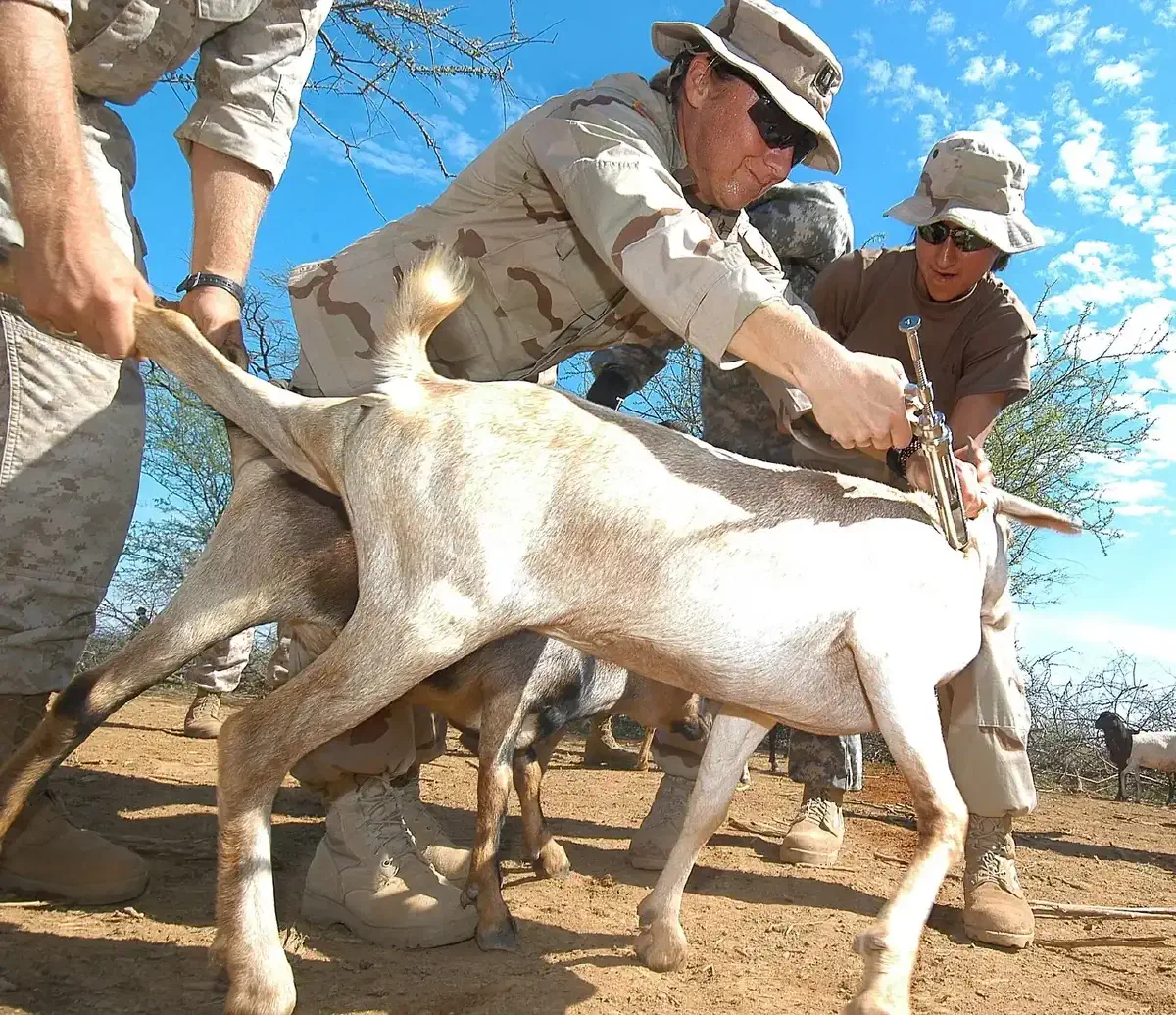
A farm animal’s injury or illness can turn serious fast, and being ready can decide whether it lives. This guide covers how to handle emergency veterinary care for your animals when a vet isn’t available.
Assessing the Situation #
When an emergency arises with your livestock, the first step is to assess the situation carefully. Look for any visible signs of injury or distress in your animals. By remaining calm and observant, you can quickly determine the severity of the situation and take appropriate action.
Stay Calm and Keep a Level Head #
In times of emergency, it’s crucial to remain calm and composed. Your animals will look to you for guidance and reassurance. Take a deep breath, steady your nerves, and focus on the task at hand. Your ability to keep a level head can help prevent further stress for both you and your livestock.
Identify the Problem #
Once you’ve assessed the situation, try to identify the problem accurately. Is your animal limping, bleeding, or showing signs of illness? Take note of any symptoms or unusual behavior that can help you communicate effectively with a veterinarian. This information will be crucial in providing the best care for your livestock.
Contacting a Veterinarian #
When dealing with a veterinary emergency, contacting a professional should be your top priority. A veterinarian will be able to provide you with valuable advice and guidance on how to proceed with the situation. Make sure to have essential information ready when you reach out to a veterinarian.
Keep Important Contact Information Handy #
It’s essential to have a list of emergency veterinary contacts readily available on your farm. Store important contact numbers for local veterinarians, animal hospitals, and emergency services in a visible and easily accessible location. In times of crisis, every second counts, so having these numbers handy can make a significant difference.
Communicate Clearly #
When speaking to a veterinarian over the phone, make sure to communicate the situation clearly and concisely. Provide details about the animal’s condition, symptoms, and any actions you’ve taken so far. Clear communication will help the veterinarian assess the situation accurately and provide you with the best advice for your livestock.
Basic First Aid for Livestock #
While waiting for a veterinarian to arrive, knowing how to administer basic first aid can be lifesaving for your livestock. Simple actions such as cleaning wounds, applying bandages, and providing necessary medication can help stabilize your animal’s condition before professional help arrives.
Wound Care #
If your animal has suffered a wound, the first step is to clean the affected area thoroughly. Use a mild antiseptic solution to disinfect the wound and prevent infection. Gently remove any debris or foreign objects from the wound before applying a bandage to protect it from further contamination.
Bandaging #
Proper bandaging is essential to prevent wounds from reopening or becoming infected. Make sure to use sterile gauze and medical tape to secure the bandage in place. Avoid wrapping the bandage too tightly, as it can restrict blood flow to the wound. Regularly check and change the bandage to ensure proper healing.
Common Emergency Situations #
Emergencies can happen at any time, and being prepared for common situations can help you respond effectively. Knowing how to recognize the signs and symptoms of various emergencies can make a significant difference in the outcome for your livestock.

Bloat #
Bloat is a common emergency condition in livestock, especially in ruminants such as cows and sheep. Look for signs of discomfort, distended abdomen, and difficulty breathing in animals suffering from bloat. Immediate veterinary intervention is crucial to relieve the pressure in the rumen and prevent further complications.
Heat Stress #
During the hot summer months, livestock are at risk of heat stress, which can lead to dehydration and heatstroke. Keep your animals cool by providing shade, plenty of fresh water, and adequate ventilation in their living spaces. If you notice signs of heat stress such as panting, drooling, or lethargy, act quickly to cool down your animals and seek veterinary assistance if necessary.
Stocking Your Emergency Kit #
Having a well-stocked emergency kit can be a lifesaver in times of crisis. Make sure to keep essential supplies on hand to handle common emergencies and injuries effectively. Regularly check and replenish your emergency kit to ensure that you’re prepared for any situation.
Essential Supplies #
Some essential items to include in your emergency kit are:
- Veterinary contact information
- Bandages and wound care supplies
- Thermometer
- Scissors
- Antiseptic solution
- Pain relief medication
- Antibiotics
- Electrolytes for hydration
Tailor Your Kit to Your Livestock #
Different types of livestock may have varying needs when it comes to emergency care. Tailor your emergency kit to the specific needs of your animals. Consider factors such as species, size, and common health issues when stocking your emergency supplies.
Preventing Emergencies #
While it’s essential to be prepared for emergencies, taking proactive measures to prevent them can save you a lot of trouble in the long run. By implementing proper care practices and safety measures, you can minimize the risk of emergencies occurring with your livestock.
Routine Health Checks #
Regularly monitoring the health of your livestock can help you identify potential issues before they escalate into emergencies. Keep track of vital signs, behavior changes, and overall well-being of your animals. Establish a routine health check schedule with your veterinarian to ensure that your livestock receives preventive care.
Safe Environment #
Creating a safe environment for your animals is crucial in preventing accidents and injuries. Ensure that your livestock living spaces are secure, clean, and free of hazards such as sharp objects or toxic plants. Properly maintain fences, enclosures, and equipment to minimize the risk of accidents that can lead to emergencies.
Practice Emergency Drills #
Lastly, practicing emergency drills with your family or farm team can help everyone be prepared to act swiftly and effectively during a crisis. Simulate various emergency scenarios such as injuries, illnesses, or natural disasters and practice the necessary steps to handle each situation. By rehearsing emergency procedures, you can ensure a coordinated response when faced with a real emergency.
Conclusion #
Being prepared for emergencies with your livestock is a crucial aspect of responsible animal ownership. By staying informed, maintaining an emergency kit, and taking proactive measures to prevent emergencies, you can ensure the health and well-being of your animals in times of need. Remember to stay calm, seek professional help when needed, and provide the best care possible to your livestock. Together, we can create a safer and healthier environment for our beloved farm animals.
Emergency care builds on everyday habits, so start with the basics of veterinary care for the homesteader. Hoof work is a common first task: how to trim goat hooves. The food and water guide covers the wider homestead.