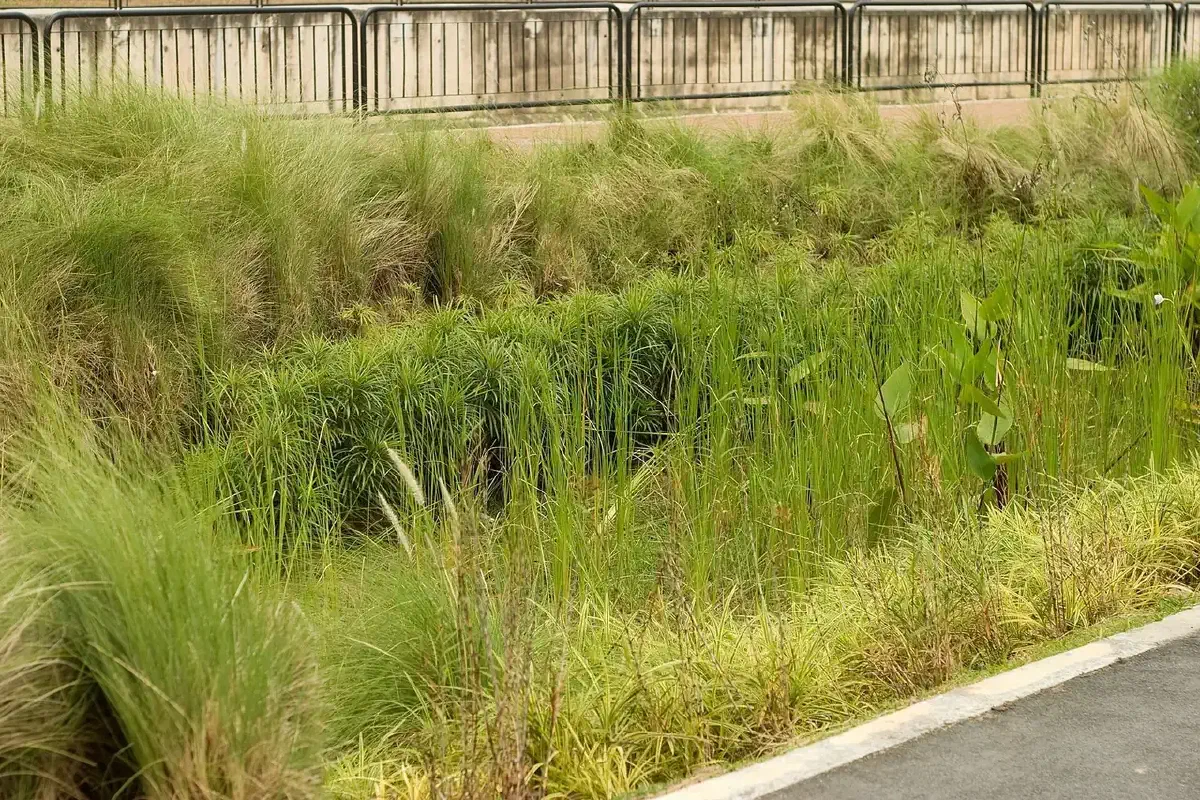
Clean water is the first thing to fail in many emergencies, and your survival depends on having a source. This guide shows you how to build a sustainable water ecosystem that gives you a reliable supply of clean water no matter the circumstances.
Understanding the Importance of Water in Survival #
Water is essential for life, and in a survival situation, it becomes even more critical. Your body can only survive a few days without water, making it the most crucial element to have in your prepping efforts. Understanding the significance of water will motivate you to create a sustainable water ecosystem as a priority.
Assessing Your Water Needs #
Before you start building a sustainable water ecosystem, you need to assess your water needs. Calculate how much water you need per day for drinking, cooking, hygiene, and irrigation if you are planning on gardening. This will give you a clear idea of how much water your sustainable water ecosystem should be able to provide.
Choosing the Right Location for Your Water Ecosystem #
The location of your water ecosystem plays a significant role in its sustainability. Ideally, you should choose an area that receives ample sunlight and is close to a water source like a river or lake. Make sure the location is easily accessible so you can maintain and monitor your water ecosystem regularly.
Building a Rainwater Collection System #
One of the most effective ways to build a sustainable water ecosystem is by collecting rainwater. Rainwater is free, clean, and abundant, making it an excellent source of water for your emergency needs. You can set up a simple rainwater collection system using gutters and barrels to capture rainwater from your roof.
Constructing a Greywater Recycling System #
Greywater refers to wastewater from sources like sinks, showers, and laundry machines that can be recycled for non-potable uses. By setting up a greywater recycling system, you can reduce your water consumption significantly. Use greywater to flush toilets, water plants, or even for cleaning purposes.
Digging a Well for Groundwater #
If you have access to groundwater on your property, digging a well can be a reliable source of water during an emergency. It is essential to follow local regulations and guidelines when digging a well to ensure the water is safe to use. Consider installing a manual pump or a solar-powered pump for extracting water from the well.
Installing a Filtration and Purification System #
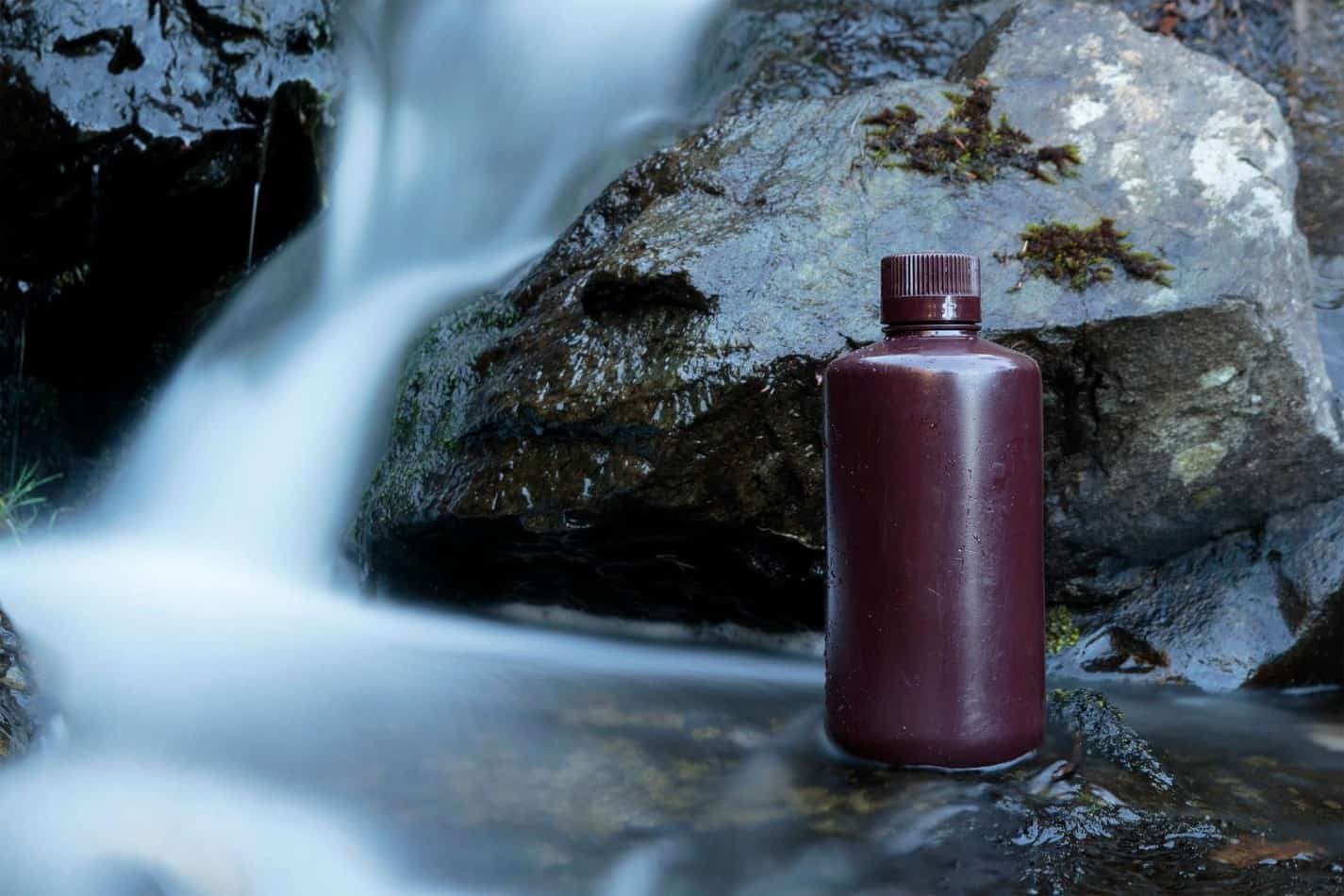
Having a filtration and purification system in place is crucial for ensuring the water you collect is safe for consumption. Invest in quality water filters and purifiers that can remove contaminants and pathogens from your water supply. Regularly maintain and replace filter cartridges to maximize their efficiency.
Setting Up a Water Storage System #
In addition to collecting and purifying water, it is essential to have a proper water storage system in place. Use food-grade barrels or water tanks to store your clean water safely. Make sure the containers are sealed tightly to prevent contamination and evaporation. Rotate your water storage regularly to ensure its freshness.
Implementing Conservation Practices #
Conserving water is just as crucial as having a reliable water supply. Implement water conservation practices in your daily life to reduce water wastage. Fix any leaks in your plumbing, take shorter showers, and only run your laundry machine and dishwasher when they are full. By practicing water conservation, you will extend the life of your water supply.
Monitoring and Maintaining Your Water Ecosystem #
Once you have set up your sustainable water ecosystem, it is essential to monitor and maintain it regularly. Check for any leaks, blockages, or contamination in your rainwater collection system, greywater recycling system, well, and water storage containers. Conduct routine inspections and repairs to ensure your water ecosystem functions efficiently.
Emergency Water Treatment Methods #
In the event of a disaster or contamination of your water supply, it is essential to know how to treat water for safe consumption. Boiling water is the most straightforward method of disinfection that kills most pathogens. You can also use water purification tablets, chlorine bleach, or ultraviolet (UV) light to make your water safe to drink.
Preparing for a Long-Term Water Crisis #
While having a sustainable water ecosystem is crucial for short-term emergencies, you should also prepare for a long-term water crisis. Consider installing a larger rainwater collection system, drilling a deeper well, or investing in a water filtration system with a higher capacity to meet your long-term water needs. Plan for alternative water sources such as rivers, lakes, or ponds in case your primary water supply runs out.
Final Thoughts on Building a Sustainable Water Ecosystem #
Building a sustainable water ecosystem is a proactive step towards ensuring your survival in any emergency situation. By understanding the importance of water, assessing your water needs, and implementing various water conservation and treatment methods, you can create a reliable and sustainable water source for your prepping efforts. Remember to regularly monitor and maintain your water ecosystem to keep it functioning optimally. Stay prepared, stay hydrated, and stay safe!