Where water is scarce, every drop counts, and small changes add up. From fixing leaky faucets to modifying your landscaping, these tips cover practical ways to cut water conservation waste in arid climates and protect your limited water supply.
Understanding the Importance of Water Conservation in Arid Climates #
When it comes to living in an arid climate, water becomes a precious resource that must be conserved at all costs. With limited rainfall and high temperatures, every drop of water is essential for both the environment and the community. By implementing water conservation practices, you can help preserve this valuable resource for future generations.
Why is Water Conservation Important? Water conservation is crucial in arid climates because of the limited availability of water. By decreasing water usage, you not only help protect natural habitats and wildlife but also ensure that there is enough water for essential needs such as drinking, agriculture, and sanitation. Conserving water can also lead to cost savings on water bills and reduce the strain on water sources.
Tips for Conserving Water Indoors #
Now that we understand the importance of water conservation in arid climates, let’s explore some practical tips for saving water indoors. Making small changes in your everyday habits can make a big difference in the long run.
Fix Leaks and Drips #
One of the most common reasons for water wastage in households is leaks and drips. A leaking faucet or a running toilet can waste hundreds of gallons of water each month. Be sure to check for leaks regularly and repair them promptly to prevent unnecessary water loss.
Install Water-Saving Fixtures #
Consider installing water-saving fixtures such as low-flow toilets, showerheads, and faucets. These fixtures are designed to use less water without compromising on performance. By making this simple switch, you can save a significant amount of water without sacrificing comfort.
Shorten Your Showers #
Taking shorter showers can help reduce water usage significantly. Aim to keep your showers under five minutes to conserve water. You can also consider turning off the water while lathering or shampooing to save even more water.
Collect and Reuse Water #
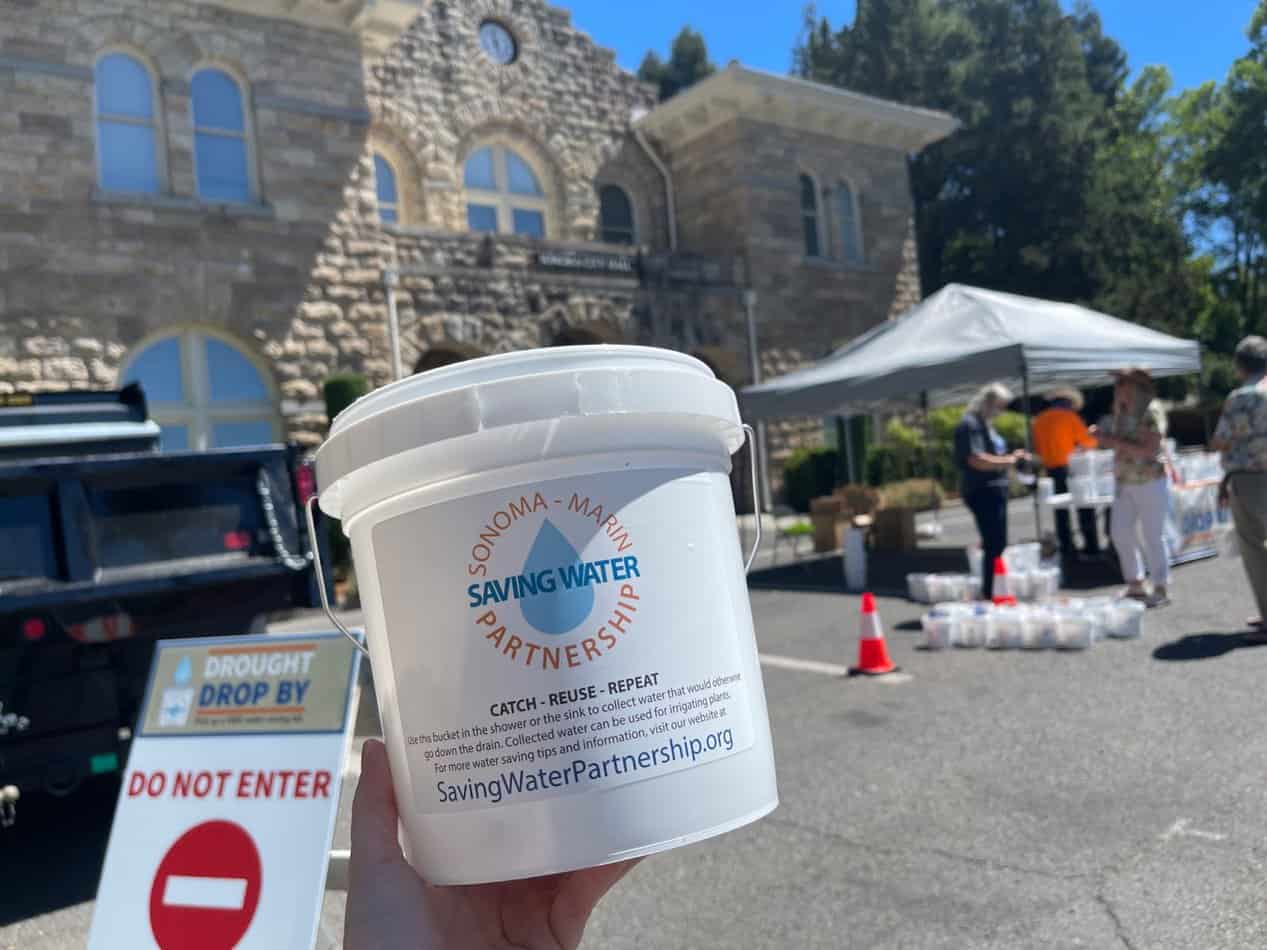
Get creative with water usage by collecting and reusing water whenever possible. For example, collect the water used for washing fruits and vegetables and use it to water your plants. You can also reuse water from activities such as washing dishes or laundry for cleaning outdoor surfaces.
Tips for Conserving Water Outdoors #
Outdoor water usage, especially in arid climates, can account for a significant portion of overall water consumption. By following these tips for conserving water outdoors, you can create a more sustainable environment for your garden and landscaping.
Water Wisely #
When it comes to watering your garden or lawn, it’s essential to water wisely. Avoid overwatering by watering early in the morning or late in the evening to prevent evaporation. Use a soaker hose or drip irrigation system to deliver water directly to the roots of plants, minimizing waste.
Choose Drought-Tolerant Plants #
Opt for drought-tolerant plants that require less water to thrive in arid climates. These plants are adapted to survive with minimal water and can withstand long periods of drought. By selecting native or drought-resistant plant species for your landscaping, you can reduce water consumption while maintaining a beautiful garden.
Mulch Your Garden #
Mulching your garden can help retain soil moisture, reduce evaporation, and suppress weed growth. Apply a layer of organic mulch, such as wood chips or straw, around your plants to conserve water and improve soil health. Mulching also adds nutrients to the soil as it breaks down, promoting healthier plant growth.
Capture Rainwater #
Take advantage of rainwater by installing a rain barrel or a rainwater harvesting system. Collecting rainwater from your roof can provide a free source of water for watering your garden or lawn. By capturing rainwater, you can reduce your reliance on municipal water sources and decrease your overall water usage.
Tips for Conserving Water in Daily Activities #
In addition to making changes indoors and outdoors, there are several ways to conserve water in your daily activities. By being mindful of your water usage habits, you can make a positive impact on water conservation efforts in arid climates.
Wash Full Loads #
Whether it’s laundry or dishes, wait until you have a full load before running the washing machine or dishwasher. Washing full loads maximizes water efficiency and reduces the number of cycles needed to complete your chores. Consider using the appropriate water-saving settings on your appliances to further conserve water.
Opt for Water-Efficient Appliances #
When it’s time to upgrade your appliances, choose water-efficient models that are ENERGY STAR certified. Water-efficient appliances, such as washing machines and dishwashers, use less water per cycle while still delivering optimal performance. By investing in water-efficient appliances, you can reduce water usage and save on energy costs.
Limit Outdoor Water Activities #
Conserve water during outdoor activities such as washing your car or filling up a swimming pool. Use a bucket and sponge to wash your car instead of a running hose, and cover your swimming pool when not in use to prevent water evaporation. By being mindful of your water usage outdoors, you can help preserve this valuable resource.
Educate Others #
Spread awareness about the importance of water conservation in arid climates by educating others in your community. Share tips and resources on water-saving practices, and encourage your friends and family to join you in your conservation efforts. By working together, we can make a significant impact on water conservation and create a more sustainable future for all.
Conclusion #
Water conservation is a shared responsibility that requires collective action to ensure the sustainability of our water resources, especially in arid climates. By following these tips for conserving water indoors, outdoors, and in daily activities, you can make a positive impact on water conservation efforts and help preserve this valuable resource for future generations. Remember, every drop counts! Let’s work together to create a more sustainable environment for all.
Thank you for reading, and happy water conservation! Remember, you have the power to make a difference.