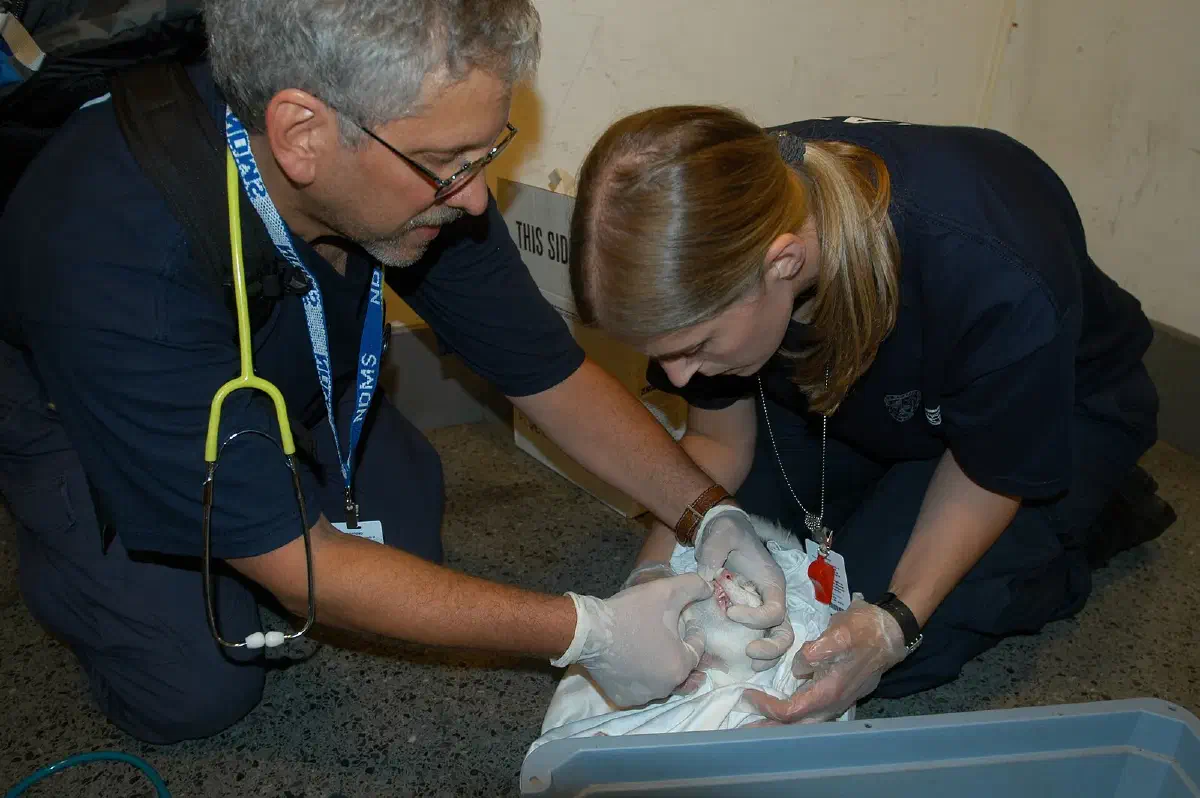
Pets get left out of emergency plans more often than anyone admits, and they pay for it. Many shelters will not take animals. A dog that has never seen the inside of a carrier will fight it. A cat that slips out the door in a panic may not come back. Hurricanes, wildfires, floods and earthquakes can upend a household in hours, and your animals depend entirely on the plan you made beforehand. This guide covers what to pack, how to identify your pets, where to take them and how to practice so the real evacuation goes smoothly. Pets belong in the household plan from the start; how to create an effective emergency plan for your family is the framework to add them to.
Build a pet emergency kit #
Treat your pet’s kit the way you treat your own: packed, labeled and easy to grab. Store it in a waterproof container and keep it where the whole family can find it.
Food and water. Pack enough of your pet’s regular food, in a waterproof container, to last at least three days. For a natural disaster, a two-week supply of food and water is the better target, and it is the figure to plan for if you live somewhere that gets hit by regional events. Plan for at least one gallon of water per day for each pet, and rotate the supply regularly so it stays fresh. Check food expiration dates and rotate those too. If the food comes in cans, pack a manual can opener, along with extra bowls for food and water.
Medication and records. If your pet takes medication, make sure you have enough to last through the emergency, check expiration dates and rotate stock. Keep a list of medications and dosages, and copies of prescriptions in case you need refills. Include a copy of the pet’s medical records, covering vaccinations, allergies and existing conditions. Those records matter if you have to find veterinary care somewhere unfamiliar. Store digital copies of documents on secure cloud storage, so you still have them if the paper ones are damaged or lost. Keep a list of emergency veterinary clinics with contact information.
First aid. Include gauze pads, adhesive tape, antiseptic wipes, tweezers and scissors, plus anything your veterinarian recommends for your animal. Learn basic pet first aid, such as how to stop bleeding, and carry a guidebook in the kit.
Sanitation. Pack litter, pads and waste bags. Consider a portable litter box for cats so they can stay clean during an evacuation.
Comfort items. Blankets, towels, familiar bedding, favorite toys and treats help reduce anxiety. Mental stimulation matters too: toys and puzzles give your pet something to do in a confined shelter. Add spare collars, leashes and grooming supplies.
Identification #
A pet separated from you in a disaster is only as findable as its identification.
- Microchip. A microchip is a tiny implant with a unique ID number linked to your contact information in a database. Veterinarians and shelters can scan it. It adds security when tags are lost or damaged, but only if the contact details stay current.
- ID tag on the collar. Include your pet’s name, your phone number and any other relevant contact information. Check the tag regularly and replace it if it is worn or damaged.
- A recent photo. A clear photo that shows distinguishing features such as unique markings or scars helps enormously in a search. Keep a digital copy in the kit.
- Registration. Register your pet with local authorities through your animal control or emergency management agency, and keep the details up to date.
- Carrier labels. Label each carrier with your name and phone number.
Make an emergency plan #
Know where you will go #
Not all shelters accept pets, and you do not want to find that out during an evacuation. Contact local animal shelters, veterinary clinics and emergency management agencies to learn which shelters accept animals and what their requirements are. Identify backup shelters in case your first choice is full, and write the list down.
Beyond shelters, compile a list of pet-friendly hotels, noting their pet policies and any additional fees, and talk to friends and family who might take your animals. Check that they are actually willing and able before you need them. Keep the whole list, with contact details and requirements, in your emergency kit.
Name an emergency contact #
Choose someone you trust to care for your pet if you cannot. This person should have a copy of your pet’s emergency plan, know where the kit is and be aware of any special needs.
Write a care sheet #
A pet care instruction sheet should cover the feeding schedule, medications, specific care instructions, your emergency contact and your veterinarian’s information. Update it whenever anything changes.
Tell your neighbors #
Let your neighbors know about your pets, especially if you might have to leave animals behind. Give them your plan and your emergency contact’s details, and exchange contact information so you can help one another. Neighbors who also have pets are a natural support network. Share your evacuation plans with a trusted neighbor who can keep an eye on your home and animals if you have to go.
Include pets in your contact information #
When you list your emergency contacts, state the number and species of pets traveling with you. Authorities who know they are coming can provide assistance accordingly.
Know your pet #
Understanding how your animal behaves under stress is half the preparation.
Watch and learn. Notice how your pet reacts in different situations. That lets you anticipate its needs when things go wrong.
Recognize stress and illness. Unfamiliar surroundings and disrupted routines cause trouble. Excessive panting, pacing, excessive grooming, loss of appetite and vomiting are all signs. Offer comfort and seek veterinary care if needed.
Consider calming aids. Some pets become anxious or fearful during disasters. Calming products or medications recommended by your veterinarian may help.
Keep them busy. Provide exercise and play even in a shelter or other confined space. Normal activity reduces stress.
Practice evacuating #
The kit and plan are only theory until you have tested them with the animal in the room.
- Get the carrier right. Each pet needs a properly sized, sturdy, well-ventilated and comfortable carrier or crate. Introduce it gradually and make it a positive experience, long before you need it. Collapsible carriers are easy to store. Keep leashes and harnesses where you can reach them quickly.
- Get them used to the car. Many pets are not used to car rides, which causes distress on an evacuation. Take short rides regularly, then lengthen them to simulate longer journeys.
- Run a real drill. Simulate an evacuation: gather the kit, secure the pet in its carrier or on its leash and take it to the designated safe place. Involve the whole family and assign tasks so everyone knows their role.
- Train emergency cues. Teach your pet to respond to a specific word or the sound of an alarm, and reward it. Basic obedience training gives you better control when your animal is frightened.
- Expose them to new places. Familiarity with different environments reduces stress when conditions change.
- Review the plan. Check in with your emergency contact, update details when your pet’s needs change and bring family members into the review.
Stay informed #
Know what is coming. Check weather forecasts and sign up for local emergency alerts, and follow reliable news sources. Make a communication plan with family or friends outside the affected area, so everyone knows where you are and that you are well. Research evacuation routes and pet-specific procedures for your area, and keep a printed copy in the kit. Online communities for pet owners in emergencies can offer information and support from people with similar experience.
After the disaster #
Once it is safe to return, be careful. Check the home and surrounding area for hazards that could hurt your pets, such as broken glass or exposed electrical wires. Pets may be disoriented or anxious, so offer comfort and reassurance during recovery. Watch them closely for signs of distress or health problems, and see a veterinarian promptly if anything seems wrong.
A short checklist #
- Three days of food and water in the kit, and two weeks at home where possible
- Medications, prescriptions and medical records, in paper and digital form
- Microchip, ID tag, recent photo
- Carrier for each animal, plus leash or harness
- A list of pet-friendly shelters, hotels and friends
- An emergency contact who has the plan
- A practiced evacuation, done at least once with the whole family
An animal cannot make its own plan. Taking an afternoon to assemble the kit and rehearse the drill is a small price compared with trying to improvise one in the dark with smoke or floodwater coming. Longer disruptions raise different problems, which pets in survival situations and isolation covers, and getting started with prepping has the wider context.