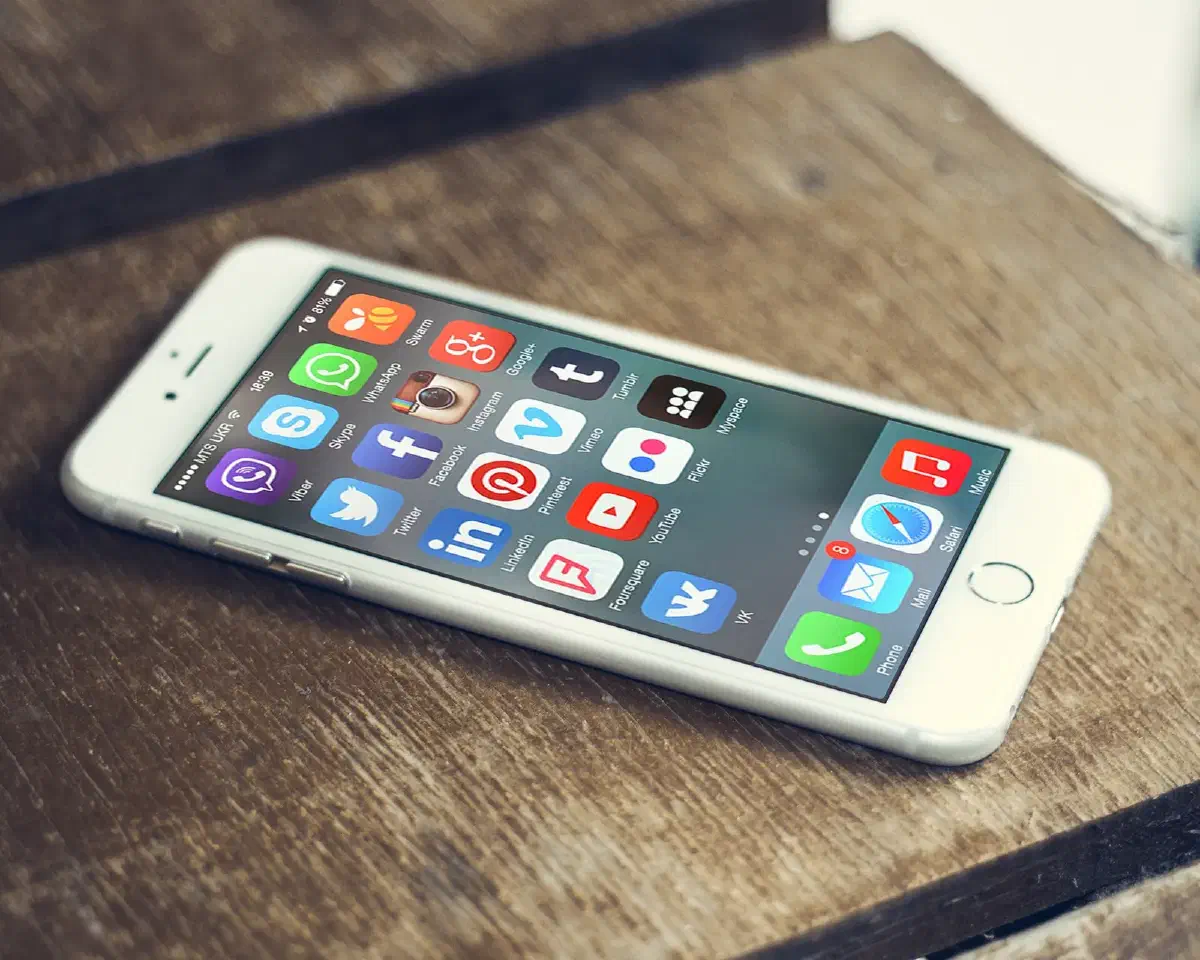
Social media has changed how preppers find each other, trade knowledge, and organize. Groups and forums put tips, gear reviews, and local contacts within reach of anyone, and they have also spread misinformation and encouraged show-off prepping. This article covers both sides of that shift. Online groups are one way to find people; building a prepper community network covers how to turn them into a local network.
The Role of Social Media in Prepping Communities #
Social media has become an integral part of our daily lives, connecting us to people all over the world and providing a platform for sharing information and resources. In the realm of prepping, social media has played a significant role in bringing together like-minded individuals who are passionate about being prepared for any situation. From sharing tips and tricks to building a sense of community, social media has revolutionized the way prepping communities operate.
Building a Community #
One of the most significant impacts of social media on prepping communities is the ability to build a strong sense of community among individuals who share a common interest in preparedness. Platforms like Facebook groups, Reddit forums, and Instagram pages have allowed preppers to connect with one another, share their experiences, and learn from one another. This sense of community has not only fostered a supportive network for preppers but has also created a space for collaboration and idea-sharing.
Sharing Resources and Information #
Another key aspect of social media’s impact on prepping communities is the ability to share resources and information quickly and efficiently. Preppers can now access a wealth of information at their fingertips, from how-to guides and instructional videos to product recommendations and reviews. Social media platforms have become a hub for sharing the latest news and updates on all things prepping, helping individuals stay informed and prepared for any situation.
The Benefits of Social Media for Preppers #
While social media has its drawbacks, there are numerous benefits that it brings to prepping communities. Let’s explore some of the advantages of using social media as a prepper.
Access to a Diverse Range of Perspectives #
One of the most significant benefits of social media for preppers is the ability to access a diverse range of perspectives and viewpoints. By connecting with preppers from different backgrounds and experiences, individuals can gain a broader understanding of preparedness and learn new skills and techniques. This exchange of ideas and knowledge helps to enrich the prepping community and fosters a culture of collaboration and mutual support.
Real-Time Updates and Alerts #
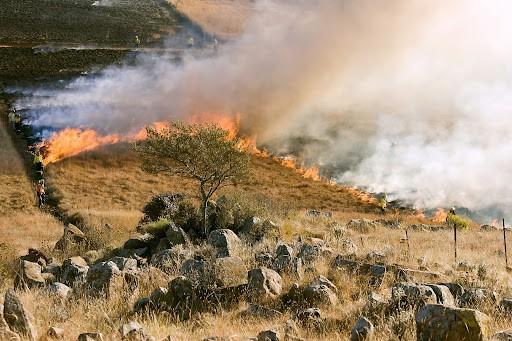
Social media platforms provide preppers with a valuable source of real-time updates and alerts, allowing individuals to stay abreast of the latest developments and emergencies. Whether it’s a natural disaster, a pandemic, or a civil unrest, social media can be a powerful tool for disseminating information quickly and efficiently. Preppers can use platforms like Twitter and Facebook to follow emergency services, government agencies, and news outlets, ensuring that they are always informed and prepared for any situation.
Networking and Collaboration Opportunities #
Social media has opened up a world of networking and collaboration opportunities for preppers, allowing individuals to connect with experts, influencers, and fellow enthusiasts in the preparedness community. Whether it’s attending virtual webinars, joining online meetups, or participating in group challenges, social media provides preppers with numerous avenues for networking and building relationships. This network of like-minded individuals can prove invaluable in times of need, offering support, resources, and guidance when it matters most.
The Challenges of Social Media for Preppers #
While social media offers numerous benefits to prepping communities, it also presents some challenges that individuals need to be aware of. Let’s explore some of the pitfalls of using social media as a prepper.
Misinformation and Disinformation #
One of the most significant challenges of social media for preppers is the prevalence of misinformation and disinformation. With the rise of fake news and conspiracy theories spreading like wildfire on social media, preppers need to be vigilant about the information they consume and share. It’s essential to fact-check sources, verify information, and critically evaluate content before acting on it. By staying informed and discerning, preppers can avoid falling victim to false information that could jeopardize their preparedness efforts.
Security and Privacy Concerns #
Another key challenge of social media for preppers is the issue of security and privacy. With social media platforms collecting vast amounts of data on their users, individuals need to be cautious about the information they share online. Preppers should be mindful of their digital footprint, avoid sharing sensitive details about their preparedness plans or supplies, and take steps to protect their online privacy. By being proactive about security measures and practicing good online hygiene, preppers can mitigate the risks associated with using social media as a communication tool.
Filter Bubbles and Echo Chambers #
Social media platforms are notorious for creating filter bubbles and echo chambers, where individuals are exposed to information that aligns with their existing beliefs and viewpoints. While this can be comforting and reassuring, it can also lead to a narrow-minded and biased perspective on preparedness. Preppers need to be aware of the echo chamber effect on social media and actively seek out diverse viewpoints and opinions to challenge their assumptions and expand their understanding of preparedness. By breaking out of filter bubbles and engaging with a variety of perspectives, preppers can cultivate a more well-rounded and informed approach to prepping.
Conclusion #
In conclusion, the impact of social media on prepping communities has been both transformative and challenging. While social media has revolutionized the way preppers connect, share information, and collaborate, it also presents risks and pitfalls that individuals need to navigate carefully. By leveraging the benefits of social media while mitigating its drawbacks, preppers can harness the power of online platforms to enhance their preparedness efforts and build a stronger, more resilient community. Whether it’s networking with like-minded individuals, accessing real-time updates, or sharing resources and information, social media has become an invaluable tool for preppers looking to stay informed, connected, and prepared in an uncertain world. Keep the groups useful by sharing real skills, as community skills exchange suggests, and see getting started with prepping for what to learn first.