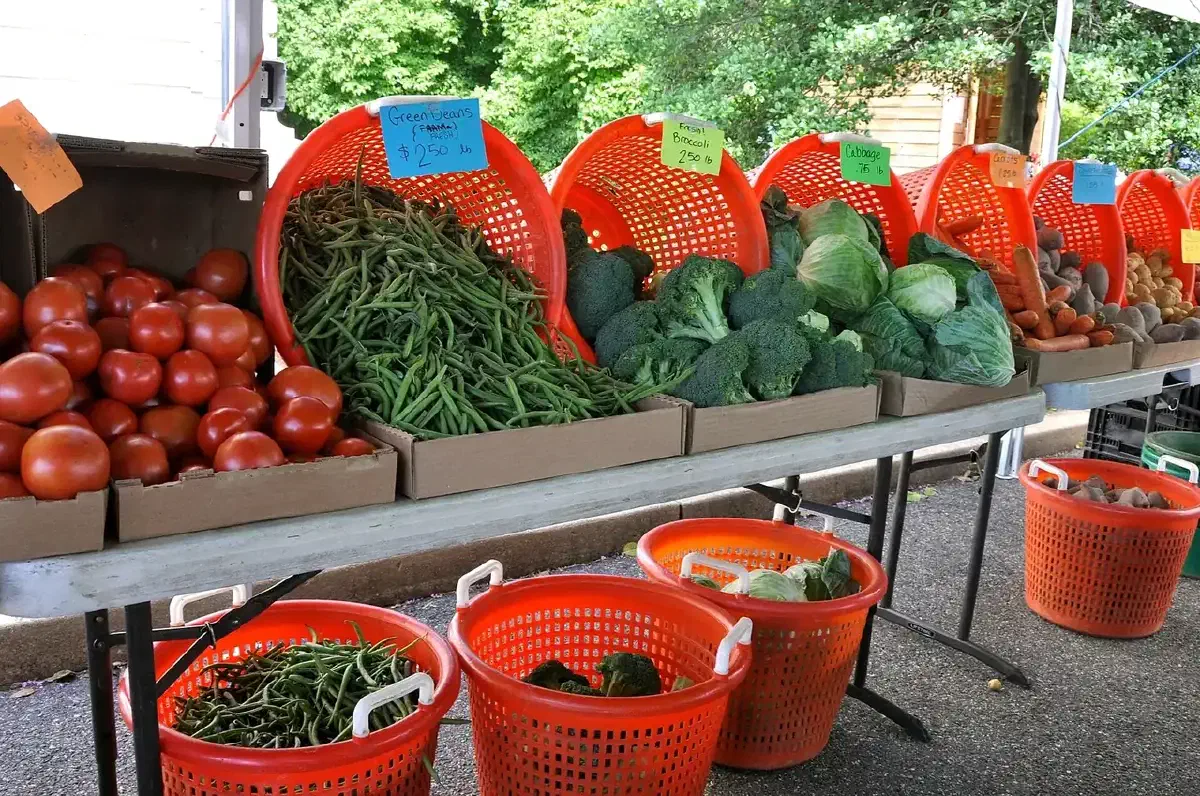
Bartering is trade without money. You hand over something you have, whether a jar of home-canned beans or an afternoon of carpentry, and you get something you need. It is older than coinage, and it tends to come back whenever currency stops working or can’t be trusted. If a disaster or an economic collapse knocks out banks, card readers and supply chains, a neighborhood will fall back on direct exchange within days. The people who do well in that situation are the ones who arrive with something worth trading, a little practice at negotiating, and a few neighbors who already know they can be relied on.
This guide covers the whole chain: how to size up your own position, which goods and skills actually hold value, how to set a fair price when there is no price list, how to build trust, and the more advanced techniques that separate a casual swapper from someone who can feed a household through a bad year.
Start with what you have and what you need #
Before you stock a single extra item, write two lists. The first is everything you can offer: physical goods, surplus food, tools you could spare, and skills other people would pay for. The second is what you will run short of in a long emergency. The gap between them tells you what to acquire and what to learn.
Be honest about the first list. A skill counts only if you can perform it under rough conditions, without a power tool and a hardware store down the road. A stockpile counts only if it is more than you need yourself. Items you are counting on to keep your own family fed are not trade goods.
Goods that hold their value #
Value in a barter economy follows need and scarcity. Anything that keeps people alive or healthy outranks anything that merely makes life pleasant, and anything that can’t be produced locally outranks what can.
Survival basics #
Food, clean water, medicine and hygiene products are in constant demand. Fresh produce is the clearest example: if you can grow more than your household eats, the surplus becomes currency, and seeds extend that value further because they let someone else grow their own. Collect a wide range of seeds, learn to save them, and share the technique freely. A community that can feed itself is a community that can keep trading with you.
Medications are close behind. Access will shrink quickly, so essential and over-the-counter medicines become valuable, as do basic wound-care supplies. Personal hygiene items are the sleeper category. Soap, toothpaste, sanitary products and diapers are things nobody thinks about until the shelf is empty, and in a crisis they prevent the spread of disease as much as they preserve comfort.
Equipment that does work #
Water filtration devices, whether portable filters or purifiers, will always find a buyer, and clean water traded to a neighbor is a strong goodwill builder. Fire starters such as lighters, matches and fire-starting kits are cheap to stockpile and easy to trade, since fire means warmth, cooking and a sense of security. Hand tools carry lasting value too: axes, shovels, hammers and saws let people build and repair, and a person with a varied tool collection is an asset to any trading community.
Power is a premium good. A solar-powered charger for phones, laptops and radios lets you sell charging as a service, which is a trade many people with no goods at all can afford to make. Larger setups push the idea further. Solar panels, small wind turbines for periods when sunlight is thin, and even a bicycle-powered generator can supply surplus electricity that you swap for other things.
Self-defense tools such as pepper spray and batons attract buyers, though the stronger play is selling protection or teaching self-defense, which makes you a respected member of the group rather than a target. The same is true of home security know-how: installing and maintaining locks and alarm systems is a service people will pay for.
Things people make #
Handmade goods gain value when factory goods vanish. Sewing, knitting and other textile skills produce clothing and accessories nobody else is making. Pottery turns out bowls and mugs that are both useful and attractive. Woodworking produces furniture, utensils and decorative objects. These crafts also need tools and practice that you can’t acquire in a hurry, which is why they belong on a long-term learning list.
Knowledge and communication #
Books and textbooks, including survival guides, instruction manuals and even novels, are more tradeable than they sound. Educational toys and games matter to families with children, and language-learning materials help in mixed communities where people speak different languages. Emergency communication gear such as shortwave radios or satellite phones lets you offer something rarer than goods: information and contact with the outside world.
Skills that trade well #
In a barter economy, the job titles people hold today stop mattering. What counts is whether you can do something practical that other people can’t.
Growing and raising food. Farming and gardening produce a steady food supply and a surplus to trade. Organic methods, seed saving and crop rotation keep it going over years. Livestock, backyard chickens included, add eggs and meat.
Hunting, fishing and foraging. Where store-bought food is scarce, tracking game, fishing and identifying safe edible plants give you a reliable food source, and the skills themselves can be traded for clothing or tools.
Medical skills. First aid, CPR, basic wound care (cleaning, bandaging, antiseptics) and herbal medicine knowledge make you valuable to anyone who is injured or ill. Pair the knowledge with a stocked medical kit and you can trade for food, shelter or almost anything else.
Cooking and food preservation. Turning basic ingredients into nourishing meals is worth more than people expect. Preservation is better still, because it converts a harvest into goods that last. Canned and pickled vegetables stay edible well beyond the season. Smoked or dried meat, fish and fruit keep without refrigeration. Fermented foods like sauerkraut, kimchi and fermented drinks extend shelf life and supply probiotic-rich food.
Building and repair. Carpentry covers shelters, furniture and tool handles. Plumbing repair fixes leaks and clogged drains. Electrical repair means diagnosing wiring problems and dead devices. Automotive repair keeps vehicles running, from engine problems to flat tires. Each of these requires a toolset, so collect the tools as you learn the work.
Setting a fair value #
There is no price list in a barter economy, so value is negotiated every time. Three factors drive it: how scarce the item is, how badly the other person needs it, and how useful it is in practice. Food, water and medicine rank above luxuries. Be realistic about the other party’s situation too. A good trade is one where both sides walk away feeling they got a fair exchange, because you will meet them again.
Think about future worth as well as present demand. Some goods will matter more in six months than they do today, and others are only hot for a moment. If you anticipate what people will run out of next, you can hold onto the right inventory and trade the rest.
The mistakes in valuation run both ways. Overvaluing your own goods stalls deals and annoys partners. Undervaluing them gives away the work you put in. Learn the going rate for the things you trade often, and adjust when supply changes.
Negotiating without creating enemies #
Good negotiators in this setting are mostly good communicators. State plainly what you want and what you are offering. Listen to the other person’s needs and ask questions. Stay courteous even when the other side pushes back, because the person across from you may be your neighbor for years.
Compromise is the center of it. Be willing to give and take, and consider alternatives you hadn’t planned on, such as swapping a service for goods or splitting a trade into two parts. Compromise isn’t surrender; it means finding common ground that still meets your own needs. Patience helps. Stay calm under pressure, and be ready to walk away if a deal isn’t in your interest. Setting realistic expectations from the start makes this easier, as does flexibility about counteroffers.
Power imbalances are a real problem. When one party holds something scarce and the other has few options, the temptation to squeeze is strong. Resist it, and expect the same restraint from those you trade with. Open communication and a willingness to find an equitable solution keep trust intact, and trust is worth more than any single trade.
Agree the terms up front #
Misunderstandings cause most disputes. Settle the quality of items, the time and place of the exchange, and what counts as complete before anyone hands anything over. Where it makes sense, write the agreement down. Verify the authenticity and condition of what you are receiving before the trade is final.
Safety deserves attention as well. Meet in well-lit, public places, preferably with witnesses. If a dispute does arise, deal with it calmly, and consider a trusted third party or a community dispute process rather than letting it escalate.
Trust, reputation and your network #
Trust is the foundation of every barter relationship, and in a world where formal law and order may be absent, it takes the place of a legal system. Honesty about the value and condition of your goods builds it. Reliability does too: honor commitments, deliver when you said you would, and communicate quickly if something goes wrong. A reputation for dependability brings repeat business and valuable connections.
Build the network before you need it. Get to know neighbors, attend community events, join local trading groups and barter fairs, and connect with people who have skills and goods you lack. A diverse network broadens your access to resources, tells you what is in demand, and opens opportunities for collaborative ventures.
Don’t hoard. Keeping a stockpile for trade is sensible, but sitting on everything makes it hard to form the reciprocal relationships that keep you supplied. Sharing within your network strengthens the bonds that you will lean on later.
Keep records #
Even without money, track your trades. A simple notebook logging what you gave, what you received, and any debts or obligations outstanding prevents arguments and keeps everyone accountable. Barter often runs on promises, and a written record makes those promises easier to honor.
Advanced techniques #
Once the basics are comfortable, a few more sophisticated methods widen what you can do.
Bundle trading. Combine several goods or services into one package. This lets you add up small assets into something worth a bigger item, suits partners with varied needs, and shortens the negotiation. Pair complementary items so the package appeals to a wider audience.
Future delivery contracts. Agree today to provide or receive something at a set price on a set date. This protects you from price swings and secures a stable supply of essentials, but only if the terms are clear and both parties are reliable. Spell out the conditions to limit risk.
Asset swapping. Exchange ownership of assets or property with another party to diversify what you hold, pick up something valuable or consolidate your resources. Weigh the risks and benefits carefully, and make sure the swap fits your long-term goals.
Watch the market #
Conditions shift unpredictably, so keep an eye on supply and demand in your local trading community. Note which goods are getting scarce, what people ask for, and how preferences change, then adjust. Stay flexible, try new approaches, and treat change as part of the process.
Manage risk deliberately. Identify what could go wrong in a deal, estimate how likely it is, and prepare a contingency. Spread your holdings across several kinds of goods, secure your stockpile, and be cautious about high-risk transactions.
neighborhoods, fairs and alternatives #
In a small neighborhood, trade is personal. People swap directly based on shared needs and mutual trust, and the process strengthens the sense of belonging. In larger communities, organized barter fairs or markets give people a central place to show goods and skills to a wider audience, and they bring a community spirit of their own. Bigger areas may need more structure: a network or bulletin board where people list what they offer and what they want makes matching easier.
Technology already plays a part. Online platforms, mobile apps and social media groups connect traders across geography, and they will keep adapting. Alternative systems are worth knowing about too. Time banks, for example, let people trade hours of service instead of physical goods, and local currencies create a shared unit of account within a community. Both can supplement direct barter where simple swaps become awkward.
Preparing now #
Everything above comes down to a short list of actions you can start immediately.
- Inventory what you can trade and what you will need, using the two lists described earlier.
- Stockpile goods with broad appeal and long shelf life: seeds, hygiene items, fire starters, water filters, basic medical supplies and hand tools.
- Learn at least one skill that serves a basic need, such as gardening, food preservation, first aid, or a trade like carpentry or small-engine repair.
- Meet your neighbors and find the local barter or trading groups.
- Practice. Trade at a farmers’ market or swap meet, or swap services with a friend, to get comfortable negotiating and valuing things.
- Keep notes on what you trade and what it was worth.
A barter economy rewards preparation, adaptability and decency in roughly equal measure. If you stock useful things, learn skills that people need, and build a reputation for fair dealing, you will have something to offer no matter what happens to the currency. Barter works best alongside other holdings; see how precious metals and cryptocurrency compare as stores of value, and the getting started guide for the wider picture.