Most households depend on convenience stores and supermarkets for daily necessities, and shelves empty quickly in an emergency. With the right preparation and mindset, you can get through that stretch without them. This guide covers how to do it as a prepper.
Understanding the Importance of Prepping #
Prepping, short for prepper, is the practice of preparing for emergencies and survival situations by stockpiling supplies and developing skills that would be useful in times of crisis. Preppers focus on self-reliance and being able to sustain themselves without the help of external resources. By understanding the importance of prepping, you can better prepare yourself for any situation that may arise.
Assessing Your Basic Needs #
Before diving into the specifics of surviving without modern convenience stores, it’s essential to assess your basic needs. These include food, water, shelter, and security. By ensuring that you have these fundamental necessities covered, you can increase your chances of survival in a crisis.
Food #
Food is a crucial component of survival. In the absence of modern convenience stores, you will need to rely on non-perishable goods that can last for an extended period. Consider stocking up on items such as canned goods, dried fruits, nuts, and energy bars. Additionally, having a supply of seeds for growing your own food can be a valuable asset.
Water #
Water is another vital resource that you cannot live without. Ensure that you have an adequate supply of clean drinking water stored in containers that are easily accessible. You may also want to consider investing in a water filtration system or purification tablets in case your water source becomes contaminated.
Shelter #
Having a safe and secure shelter is essential for protecting yourself from the elements and potential threats. Make sure that you have a plan in place for where you will take shelter in an emergency situation. This could include a designated safe room in your home or a pre-determined meeting point with your family.
Security #
In times of crisis, security becomes a top priority. Consider investing in security measures such as locks, barricades, and surveillance equipment to protect yourself and your supplies. Additionally, learning self-defense techniques and having a plan for defending yourself can help you feel more secure in a survival situation.
Building Your Survival Stockpile #
Once you have assessed your basic needs, it’s time to start building your survival stockpile. This includes storing food, water, medical supplies, tools, and other essential items that will help you survive without modern convenience stores.
Food Storage #
When it comes to food storage, it’s essential to focus on items that have a long shelf life and provide essential nutrients. Consider investing in a variety of canned goods, dried foods, and bulk grains that are easy to store and prepare. Rotate your stockpile regularly to ensure that your food remains fresh and edible.
Water Storage #
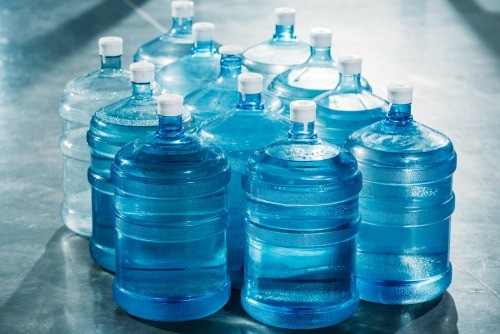
Storing water may seem straightforward, but it’s crucial to do it correctly to ensure that your supply remains clean and safe to drink. Use food-grade containers to store water and make sure to label them with the date of storage. Rotate your water supply every six months to prevent the growth of bacteria and algae.
Medical Supplies #
Having a well-stocked medical kit is essential in a survival situation. Include items such as bandages, antiseptic wipes, pain relievers, and prescription medications in your kit. Make sure to regularly check and replenish your supplies to ensure that you have everything you need in an emergency.
Tools and Equipment #
In addition to food and water, having the right tools and equipment can make a big difference in your ability to survive without modern convenience stores. Consider investing in items such as a multi-tool, flashlight, batteries, and a portable stove for cooking. Having a well-equipped toolbox can also come in handy for repairs and building shelters.
Developing Survival Skills #
In addition to stockpiling supplies, it’s essential to develop survival skills that will help you navigate through challenging situations. By learning how to forage for food, purify water, navigate without GPS, and administer first aid, you can increase your chances of survival without relying on modern conveniences.
Foraging for Food #
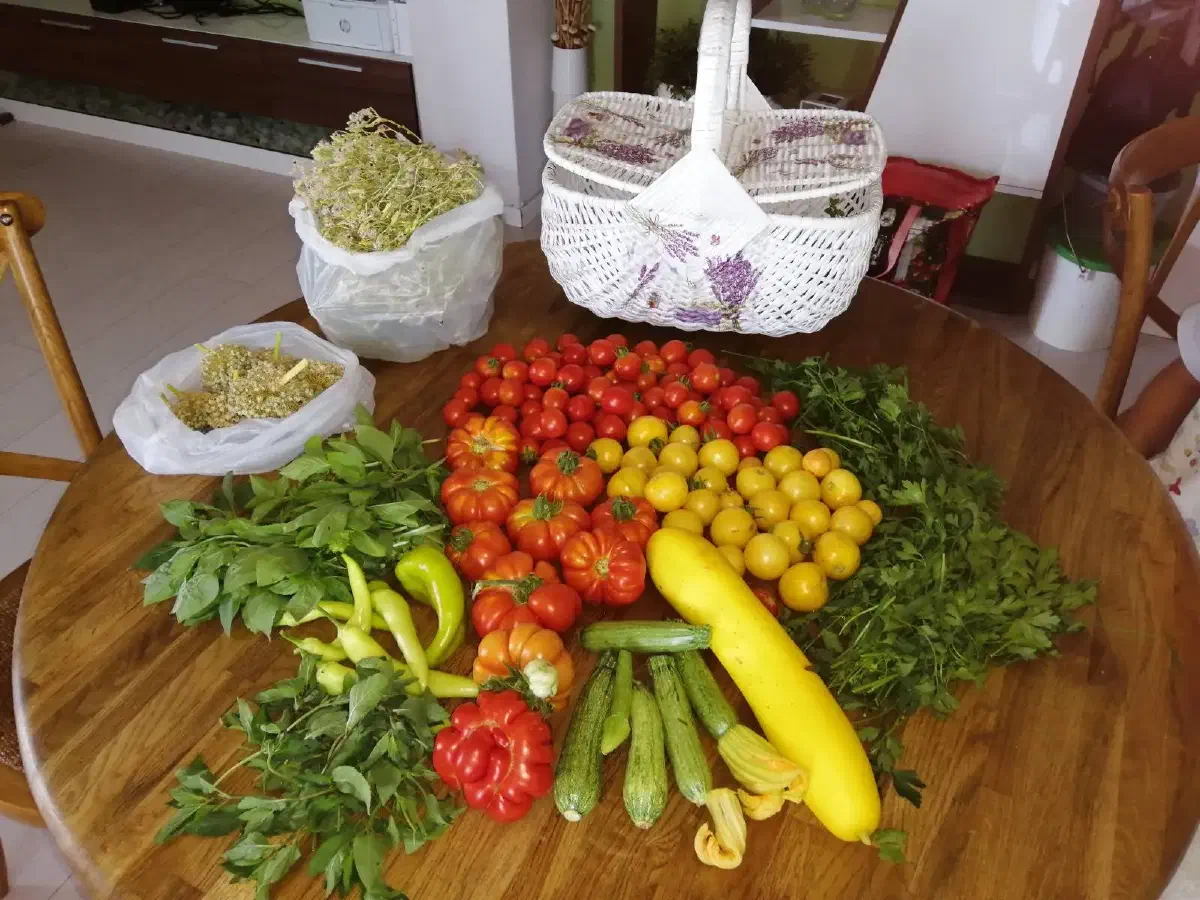
Knowing how to identify edible plants and mushrooms can be a valuable skill in a survival situation. Take the time to learn about local flora and fauna, and practice foraging in a safe environment before relying on wild foods for sustenance. Remember to avoid plants that you are unsure about to prevent accidental poisoning.
Purifying Water #
In the absence of clean drinking water, knowing how to purify water effectively can be a life-saving skill. Learn how to boil water, use water purification tablets, and build a DIY water filter using natural materials. Practice these methods regularly to ensure that you can safely drink water from any source.
Navigating Without GPS #
In a world where we rely heavily on technology for navigation, knowing how to navigate without GPS or a map can be a valuable skill. Learn how to use natural landmarks, the position of the sun, and the stars to find your way. Practice orienteering in different terrains to improve your navigational skills.
Administering First Aid #
Being able to provide first aid in an emergency can be crucial for saving lives. Take a first aid course to learn how to treat common injuries, administer CPR, and manage medical emergencies. Make sure to regularly update your skills and knowledge to be prepared for any situation that may arise.
Creating a Communications Plan #
Communication is key in a survival situation, especially when you are without access to modern conveniences. By creating a communications plan, you can stay connected with your loved ones and receive important information during a crisis.
Establishing Communication Channels #
When developing your communications plan, consider how you will stay in touch with your family, friends, and neighbors. Invest in a reliable two-way radio or a satellite phone to communicate over long distances. Set up a centralized meeting point for your family in case you are separated during an emergency.
Designating a Communications Officer #
In a group or family setting, designate a communications officer who will be responsible for relaying messages and coordinating responses. Make sure that everyone knows how to operate the communication devices and establish a schedule for check-ins to ensure that everyone is accounted for.
Creating Emergency Contact Lists #
Compile a list of emergency contacts, including local authorities, medical facilities, and utility providers. Store this information in a waterproof container with your other important documents. Make sure to update your contact lists regularly and share them with your family members.
Establishing Security Measures #
Maintaining security is essential in a survival situation, especially when you are relying solely on your own resources. By establishing security measures, you can protect yourself, your loved ones, and your supplies from potential threats.
Securing Your Property #
Secure your property by installing locks on doors and windows, reinforcing weak points, and setting up barriers to deter intruders. Consider installing security cameras and motion sensors to monitor your surroundings and alert you to any potential threats. Establish a security perimeter around your property to keep unwanted visitors at bay.
Forming a Neighborhood Watch #
In a community setting, consider forming a neighborhood watch group to collaborate on security measures and share resources. Establish a system for patrolling the area, reporting suspicious activity, and coordinating responses in case of emergencies. Work together with your neighbors to enhance the security of your neighborhood.
Establishing Defense Protocols #
Prepare for potential threats by establishing defense protocols for your property and family. Determine safe rooms where you can take shelter in case of an attack and establish communication signals for signaling danger. Practice your defense protocols regularly with your family members to ensure that everyone knows what to do in an emergency.
Conclusion #
Surviving without modern convenience stores as a prepper requires careful planning, preparation, and skill development. By assessing your basic needs, building a survival stockpile, developing essential skills, creating a communications plan, and establishing security measures, you can increase your chances of survival in a crisis. Remember that being prepared is key to navigating through challenging situations successfully. Stay vigilant, stay informed, and stay safe.
Related reading: Getting started with prepping; Survival Myths Debunked: What Not To Do In An Emergency