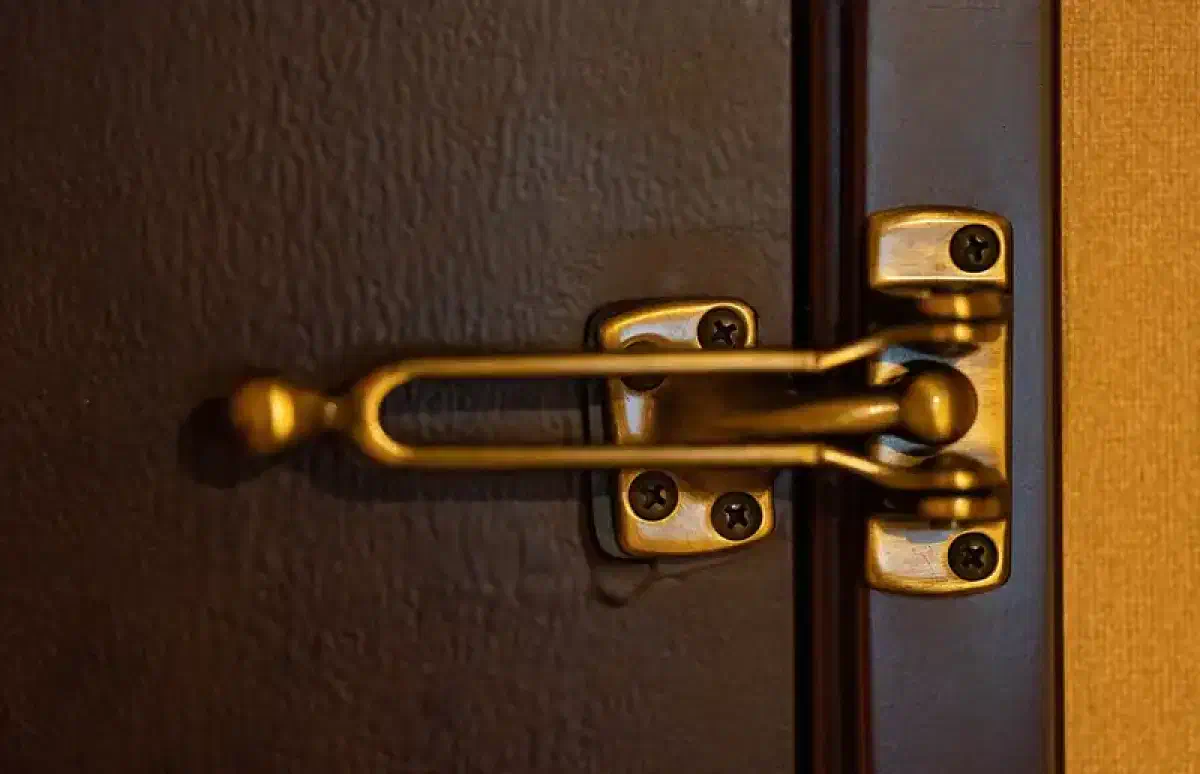
Most burglars are opportunists. They try the handle on the back door, look for the window somebody forgot to latch, and move on if anything slows them down. Home security is mostly the business of slowing them down: make entry noisy, visible and tedious, and a lot of intruders will go next door instead. What follows is a practical order of work, starting with the physical shell of the house and ending with habits and neighbors.
Think in layers #
No single measure stops a determined intruder, and any one of them can fail. The point of layering is redundancy: if someone gets past the front-door lock, the alarm, the cameras and the next barrier are still ahead of them. A workable stack runs from the outside in. Perimeter first (lighting, fencing, gates), then reinforced doors and windows, then an alarm connected to a monitoring station, then cameras at key entry points, then access control such as smart locks and keyless entry, then remote monitoring and automation, then your neighbors, and finally an emergency plan for the day everything else fails.
Begin by assessing what you have. Walk the house and note weak points: doors and windows that are easy to break, dark corners, no cameras. Knowing where you’re weakest lets you spend money where it counts. The sections below follow the layers in roughly that order.
Start with the doors #
A door is only as strong as its weakest point, so the slab, frame, hinges and lock all have to be up to the job. Choose solid wood or metal doors. Reinforced doors with several layers of wood or metal are better still. Fit them into frames that are solidly fixed to the wall, and don’t skimp on hinges.
The frame is where most doors fail. Intruders target weak frames because a kick will split them. Add metal reinforcement plates or longer strike plates, or fit a door-frame reinforcement kit, and the same kick will do much less.
Every exterior door needs a deadbolt in addition to the knob lock. Buy one that meets industry standards, has a hardened steel bolt, and has a throw of at least one inch. Then use it: engage the deadbolt every time you leave.
If you want more, there are several add-ons:
- Door jammers and barricade devices. A jammer sits at the base of the door, and a barricade device mounts on the inside. Either holds the door shut even if the lock is defeated. They’re most useful when you’re at home.
- Security doors or gates. Reinforced security doors carry extra locking mechanisms and strong frames and resist break-ins well.
- A security screen door. It lets air through while adding another barrier at your main entrance.
- A peephole. It lets you see who is outside before you open up. Mount it at a height everyone in the house can use, including children and people with limited mobility.
- An intercom. Fitted at the front and back entrances, it lets you screen visitors and talk to them without opening the door.
Windows and sliding doors #
Windows are the second most common way in. Fit locks that can’t be released from the outside, and think about laminated or reinforced glass for the most exposed ones. Window security film is a cheaper step: it makes glass shatter-resistant, so a burglar can’t punch through quickly. And lock your windows whenever you leave or go to bed.
On ground-floor windows and other places easy to reach from the ground, security bars are an effective physical barrier. Choose tamper-resistant bars. They must have a quick-release mechanism, so that people inside can still get out in an emergency.
Sliding glass doors need their own treatment. Lay a bar or rod in the track so the door can’t be forced open or lifted off its rail from outside, and add a secondary lock such as a pin lock or floor bolt. Security film on the glass helps here too.
Garage, basement and other weak spots #
The garage often gives direct access to the house, so treat it as an exterior door. Install a sturdy steel or solid-wood garage door and keep it maintained, with regular inspections, lubrication of the moving parts, and prompt replacement of anything damaged. Fit a release latch shield. It stops “fishing,” in which a burglar pushes a tool through the top of the door and trips the emergency release. Keep the garage closed and locked even when you’re home, check it before leaving and before bed, and don’t leave tools or bicycles visible through the windows.
Basement windows and bulkheads get overlooked. Give basement windows secure locks or bars, put security bars on bulkheads, and look at these spots now and then for damage or wear.
Lighting, landscaping and the perimeter #
Start outside, where you can deter somebody before they reach a door. Bright, motion-activated lights near entrances, pathways, and dark corners remove hiding places and startle anyone approaching, and they cost little to run. Put them by the front and back doors and over any part of the yard that someone could use to approach unseen.
Overgrown shrubs and trees give cover, so trim vegetation back from windows, doors and any other access point. Keep hedges near windows low enough that you can see out and passersby can see in. Remove tall vegetation or structures along fences that could be used as a step. Install mirrors or extra lighting in blind spots that neither the windows nor your cameras can see, and avoid creating hidden spaces in the first place.
If you have gates and fences, keep them locked, inspect them for damage, and repair them promptly. Thorny or prickly plants under vulnerable windows add a further, cheap barrier. Signs announcing an alarm system, a neighborhood watch or security patrols can also make an intruder hesitate, even if they aren’t entirely accurate.
Alarms, cameras and monitoring #
A burglar alarm uses sensors on doors, windows and other entry points to sound a loud alarm when someone gets in. That alerts you and your neighbors, and it often sends the intruder away. A full system has door and window sensors, motion detectors in high-traffic areas and near entry points, and a control panel.
Professional monitoring adds another layer. When the alarm trips, the monitoring company is notified, verifies the situation, and contacts you, emergency services or security personnel. This means help is on the way even if you can’t respond, or you’re away. Monitoring is round-the-clock. If you hire a company, check its reviews, get quotes and references, and verify that it holds the necessary licenses and insurance.
Cameras do two jobs. Visible cameras deter, and recorded footage helps police afterward. Put them at entrances and in blind spots, and choose models with high-resolution recording and night vision, so you can watch your property in real time.

Smart-home tools #
Smart locks give you keyless entry by code, fingerprint or phone. They remove the risk of lost or stolen keys and let you grant temporary or one-time access to someone you trust. A smart doorbell with a camera lets you see and speak to visitors from anywhere, and typically includes motion detection and recording.
Remote control is the main advantage. From a phone you can arm and disarm the alarm, view camera feeds and receive instant alerts. If your alarm is already installed, you can often integrate it with home automation, so that the lights come on when the alarm trips, for instance. Remote access is only as safe as the connection behind it, though, so use a secure internet connection and strong passwords. Change locks and access codes from time to time too, such as when you move in, after a renovation, or at least every few years, so lost or copied keys and codes become useless.
Make the house look occupied #
An empty house is the easy target. Put timers on lights, televisions and other electronics so they mimic your normal routine. When you’re away for a while, have someone collect mail, packages and newspapers, consider a house-sitter, and ask a neighbor to park in your driveway. Don’t announce trips on social media: share vacation photos after you get back, not while you’re gone. Tell a trusted neighbor instead and ask them to watch the place.
Habits that matter more than hardware #
Lock all doors and windows whenever you leave, even for a short time, and keep them locked while you’re home. Check side doors, back doors and basement windows too. Many intruders will simply try the unlocked point.
Don’t hide a spare key under the mat or in a flowerpot, because burglars know all the usual spots. Give a spare to a trusted neighbor or family member, or use a keyless system or a lockbox that only authorized people can open. Don’t label your keys with your name or address, either, since a lost set then leads straight to your door.
Be careful with strangers at the door. Ask for identification before opening, even if the person claims to represent a legitimate organization, and if something feels wrong, keep the door shut.
Valuables and documents should be locked away. A home safe that is fireproof, waterproof and tamper-resistant is worth the money, ideally professionally installed and anchored to the floor or wall, and placed in a hidden closet or a room with limited access. Keep valuables out of sight of windows and glass doors, and use curtains or blinds. Scan passports, birth certificates and insurance policies and store the copies in a password-protected external drive or a cloud service, so a fire, flood or theft doesn’t leave you without them.
Your family and your information #
Everyone in the household should know the basics: how to lock up properly, how to use the alarm, and what suspicious activity looks like. Teach children not to share personal information with strangers online or offline. Keep identification, bank statements and financial records in a locked drawer or safe, and shred sensitive papers before throwing them away. Tighten social-media privacy settings, and don’t post your daily routine or upcoming trips.
Neighbors #
A neighborhood is a security system too. Get to know the people nearby by going to community gatherings, hosting a block party, or just introducing yourself. Exchange contact information so you can reach each other when something looks wrong. If there isn’t a neighborhood watch, set one up with your local law enforcement agency’s help: meetings, training sessions and a communication channel for residents. Learn your neighbors’ routines so you can spot what doesn’t fit, report unusual behavior or unfamiliar vehicles to the police, and share information about local crime trends and reliable contractors.
A safe room and an emergency plan #
The innermost layer is a place to retreat during a home invasion. Pick a room that is easy to reach and can be secured from the inside, give it a solid-core door and a heavy-duty deadbolt, and stock it with food, water, a first aid kit and a way to communicate. Make sure your family knows what to do in a break-in: how to contact the authorities, where to go for shelter, and who goes where. Rehearse it regularly.
Plan for other emergencies as well, including natural disasters and power outages. Keep food, water, medications and emergency contacts together, and consider a backup power source such as a generator so that communications and essential services keep working.
Test and maintain it #
Security measures decay. Check the alarm, cameras and locks on a routine schedule, replace batteries in alarms and cameras, and update software to patch vulnerabilities. A system you haven’t tested is a guess.
Fire safety #
A secured house must still be survivable. Put smoke detectors in every bedroom, outside each sleeping area and on every level, test them regularly and replace batteries. Keep fire extinguishers in the kitchen, garage and other fire-prone areas, and learn to use them. Plan and rehearse a fire escape with at least two routes from each room and a meeting place outside, and teach everyone to stay low to avoid smoke. Store cleaning supplies, gasoline and propane in proper containers, away from ignition sources, in a ventilated place outside the living space. This is also why barred windows need quick-release mechanisms.
Get an outside opinion #
If you aren’t sure what you’ve missed, hire a security expert for a home security audit. An auditor inspects doors, windows, locks, alarms and lighting, identifies weaknesses and recommends fixes. Review your homeowner’s insurance at the same time, since coverage limits and any security requirements matter after a burglary.
Add glass-break sensors to the alarm if you can, and make it loud enough for neighbors to hear. Securing a home isn’t a one-time job. Walk the property regularly, update what’s worn out, and adjust as technology and your circumstances change.
Related reading: Security and communications; How To React When You Encounter An Intruder In Your Home?; How To Implement Redundancies In Your Security Plan?