Criminals pick their moment, and so do disasters. Neither will wait until you’ve reached for your usual weapon. You might be locked out of the house, or your handgun or shotgun may be in another room, locked away or unloaded. Your attackers might be standing between you and your gear. Perhaps you don’t like guns, or they’re illegal where you live. In every one of those cases the answer is the same: use what’s at hand. Improvising a weapon takes imagination and ingenuity, which are the traits that define a successful survivalist.
This article covers three things: improvising from household items, the everyday objects you can carry anywhere without drawing attention, and the strategy that matters more than any object. Check your local laws before relying on any of it. Self-defense law turns on proportionality and reasonable fear, and an improvised weapon is judged the same way as a purchased one.
Household items by job #
Think in terms of what you need the object to do. Five jobs cover most situations.
Bludgeon #
A bludgeon is, in ordinary terms, a thick stick with a heavy end. In an emergency, anything with some heft will do: a fire extinguisher, a glass or mug, a chair, a tablet or laptop, a lamp, a pot, a belt with a heavy buckle, or a rolled-up magazine or newspaper. Make sure you have the strength to wield the object and enough room to swing it.
A rolled magazine looks silly, but tightly rolled it becomes a hard, compact object that can deliver a firm blow and give you the chance to escape and get help.
Shield #
The same items can block attacks from someone with a handheld weapon, or with hands and fists. Anything thick and sturdy works, so long as it isn’t too heavy to lift to chest level. Besides the items above, consider clothing, bedding or pillows, a book, a bag, a briefcase, a plate, a piece of furniture or a table. Women may also have a body spray in a purse that can be used as a deterrent.
Stab #
Where you’d normally use a knife or spear, you can improvise with anything sharp or pointed, and the longer the item, the better it works. Examples include a pen or pencil, a broken bottle, a fire poker, cuticle clippers, a kitchen knife, a broken light bulb, a spoon, a toothbrush, ceramic shards from a broken mug or plate, and a screwdriver.
Distraction #
Sometimes the best weapon is doing something the attacker doesn’t expect. You know your surroundings and he doesn’t, so use that. Yell as loudly as you can, throw paper or other material widely, or act wild and deranged. A moment of surprise may give you the space and time to get away. It takes a split-second decision, before the attacker works out what you’re doing.
Buttstock #
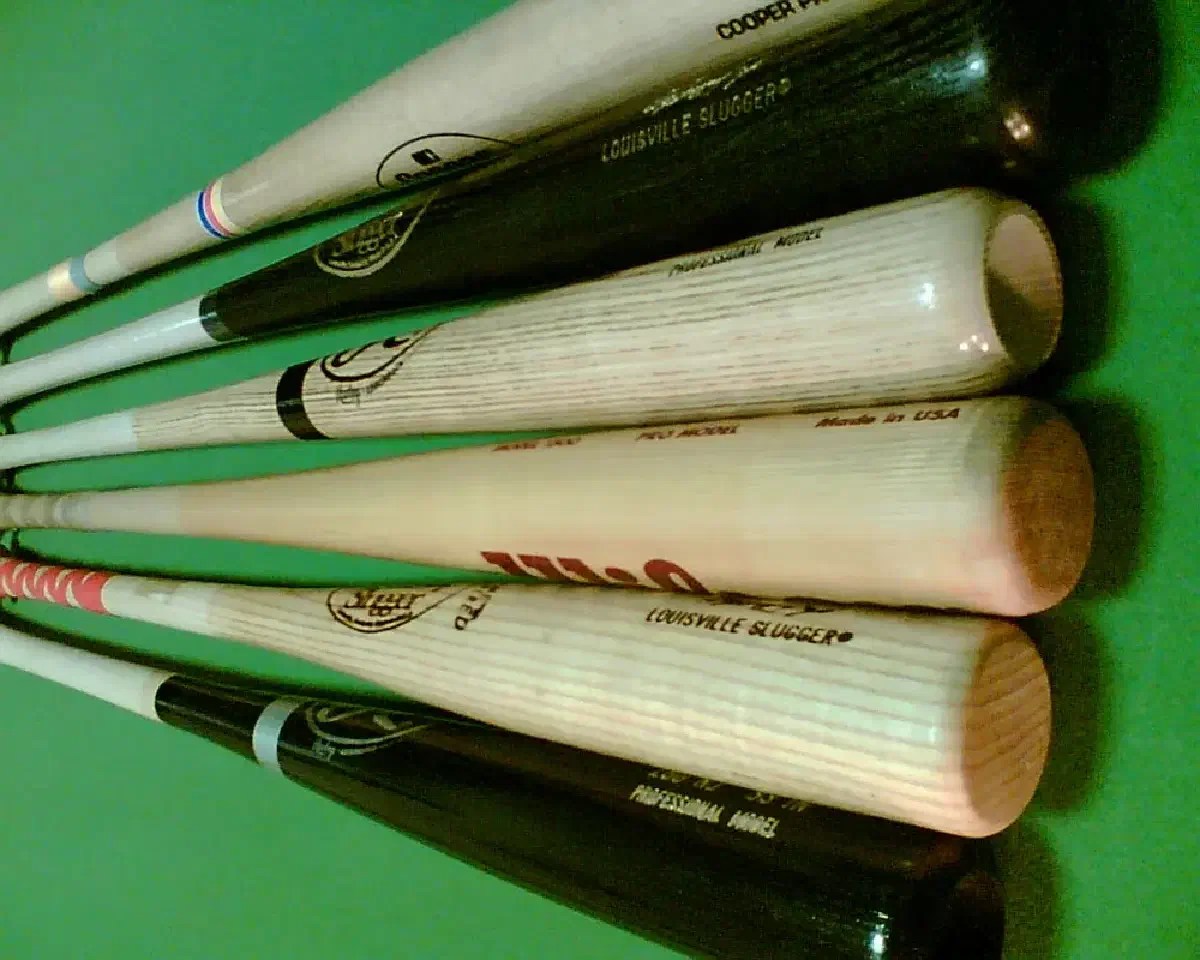
You’ve seen attackers in movies strike with the end of a long rifle, the buttstock. You can imitate that with a baseball bat, a flashlight, a walking stick or crutches.
Seven things you can carry anywhere #
A firearm can’t go into a school, a courtroom or a police station, and even where it’s legal, many people prefer not to advertise that they’re armed. Everyday items solve this. They don’t draw attention, you can usually carry them legally, and they get through screening that would stop a weapon.
- Keys. Everyone carries them, and an attacker is unlikely to think of them as a weapon. A longer key is better. Hold one in your fist so that it protrudes between your fingers, and strike at soft, sensitive spots such as the eyes, the solar plexus or the throat. The sharp edges can cause significant pain and injury and create the opening you need.
- An umbrella. You can carry one anywhere without anybody noticing. The pointed end can jab an attacker, which gives you reach and keeps him at a distance. The canopy can block incoming attacks or put a barrier between you. Buy a sturdy model that will take the impact of a thrust.
- A pen or pencil. Pack one in the side pocket of your backpack, bag or purse. A sturdy metal or plastic pen is best, but even a wooden pencil can do it. With about four inches in your hand, roughly three inches remain to jab with. Driving it into muscle or another soft target hurts and may give you time to escape.
- A flashlight. Nobody finds it odd that you carry one. It doesn’t have to be big: even a small, sturdy 2-cell Maglite hurts if it strikes the temple, nose ridge or arms, and a 3-cell can serve as a baton. If you plan to use one this way, look for heavy-duty construction such as aluminum, a long handle, waterproofing, real weight (D-cell models preferably), and at least 120 lumens.
- A briefcase. An empty one, especially an aluminum model, can deliver a heavy blow. Swing it hard, as you would a hook punch, aiming at the elbow and knee joints, or at the head if necessary. It can also shield you against an edged or blunt weapon.
- A handful of coins. If an attacker is approaching quickly, grab loose change and fling it at him. It won’t injure him, but you can expect a flinch, and that is your chance to flee or reach for a better weapon. A handful of gravel does the same job.
- A purse and its contents. Don’t beat the attacker with it. Instead, raise it to shoulder level, hold tight to the strap and swing it around you. It won’t injure anyone, but it distracts and keeps him away, and it can block a knife or blunt weapon. This takes practice and fast reflexes. If you’re still cornered, use what’s inside: hairspray or spray deodorant in the face will startle him, and manicure scissors or a pointed metal nail file are other options.
Simple things you can make #
Some improvised tools you can put together beforehand.
Homemade pepper spray. Mixing equal parts hot pepper powder and water in a spray bottle makes a spicy solution that irritates the eyes, nose and skin of an attacker and buys you time. It’s a weak substitute for commercial spray, and keep in mind that it can blow back at you in wind or in a confined space.
A slingshot. You need a forked stick, rubber bands and a small pouch for the projectile. Pull back the bands and release to send rocks, marbles or other small objects toward an attacker from a distance. It is non-lethal in principle but not harmless, and needs practice to aim.
We’ve left out the build instructions for a homemade electric shock device that the original source included. Salvaging parts from a camera is hazardous to the person building it, and a poorly made device is as likely to hurt you as to protect you. A commercial stun gun or personal alarm from the legal-rules guide is a safer choice.
Strategy matters more than the object #
Weapons, improvised or not, are a last resort. Prevention and avoidance come first.
- Situational awareness. Stay alert and attentive to your surroundings. Scan the environment, avoid distractions, and trust your instincts so you can spot and avoid risky situations before they escalate.
- Verbal de-escalation. Calm, assertive communication can state your boundaries to an aggressor and may keep a confrontation from turning violent. Active listening and empathy help.
- Physical technique. Basic strikes and blocks, and more advanced grappling and joint locks, can disable an attacker and create an opportunity to escape and seek help. Practice drills, take classes, and learn from experienced instructors. Martial arts such as karate, jujitsu, taekwondo and kung fu can turn you into a formidable opponent.
- Escape and evasion. If you’re confronted, prioritize getting to a safe place over fighting. Use distractions, diversions and obstacles to create openings, and remember that your safety comes first.
The most important weapon #
There’s a story about a 100-pound woman who fought off a 170-pound man sent to kill her by her jealous ex-husband. He stabbed her several times with a knife. Despite her injuries, she fought him to a standstill until the authorities arrived. She had no gun, knife or other weapon. She won on sheer determination to live.
Your will to fight to the end is the best weapon you have, since a weapon only deters an attacker and he can still overpower you. Treat the improvised options here as tools to support that will, not as a guarantee. Don’t depend on a single weapon, stay calm, be creative with what’s around you, and combine it with training.
Related reading: Security and communications; What Are The Most Effective Self-Defense Weapons For Home Security?; Legal rules for self-defense weapons and restricted tools; How To React When You Encounter An Intruder In Your Home?