In a disaster, noise gives you away. A twig snapping underfoot, leaves rustling, a canteen knocking against a buckle: any of these can tell someone nearby that you’re there. Moving quietly is a skill that can decide whether you stay hidden, gather information and avoid a confrontation, or get discovered. It applies to a wilderness retreat, an urban evacuation route, or any hostile territory where being seen is dangerous. Like most physical skills, it improves with practice, and it starts with a handful of principles. The same thinking extends from the person to the place, so the second half of this article covers building a camouflaged retreat in the forest.
Why quiet movement matters #
Picture an urban environment in the middle of a disaster, or a wilderness setting where you need to avoid detection. If you can move without noise, you can observe before you’re observed. You decide when to engage, if ever, and you keep the element of surprise. In hostile territory the ability to move discreetly can be a matter of life and death, because it keeps you from attracting the attention of potential threats and keeps you out of harm’s way.
The basic principles #
Three fundamentals shape everything else: what’s on your feet, how fast you go, and how you carry yourself.
Footwear. Choose shoes or boots with good grip that make little noise on different surfaces. Rubber soles with some padding help. Avoid squeaky soles and metal parts that clink, and buy quality footwear designed to cut down footstep noise, because cheap shoes tend to be loud.
Speed. A slow, steady pace produces less noise. Rushing leads to mistakes and unnecessary sound. Take deliberate steps and keep paying attention to what’s around you.
Posture. Stay relaxed and move fluidly. Stiff or jerky movements create vibrations and extra noise, and a tense body is harder to control than a loose one.
Walking quietly #
Roll each foot from heel to toe and keep your weight centered over your feet. Take small steps and spread your weight evenly instead of dragging or shuffling your feet, which makes noise. Walk on different surfaces to learn how each one sounds: gravel, dry leaves, packed dirt and wet grass all behave differently, and you’ll only know by trying them.
Breathing matters more than most people realize. Take slow, deep breaths through your nose to reduce the sound. Controlled breathing also keeps you calm, which helps everything else.
Gear discipline #
Gear rattle gives away your position. Before you move, secure everything that can shift. Pad or wrap items that knock together, tape or tie down loose straps, and use soft materials to cushion equipment that makes noise. Then jump up and down, walk around, and listen. If something clinks, fix it before it matters.
Crawling, climbing and urban movement #
Sometimes standing up isn’t an option. For the low crawl, keep your body close to the ground and move slowly and smoothly, using your elbows and knees to pull yourself forward. Speed is the enemy here: a slow crawl is quiet, a fast one is not.
Climbing a tree can give you a vantage point or a way out. Choose sturdy branches, use proper handholds, move deliberately, and avoid sudden movements that might draw attention.
Cities need a different approach. Avoid well-lit areas and noisy surfaces, such as metal grates and loose pavement. Stay in the shadows, move slowly from cover to cover, and don’t take unnecessary risks that could compromise your stealth.
Using cover and concealment #
Natural cover such as foliage, rocks and terrain features lets you blend into your surroundings. Move along shadows and stay low so you aren’t seen. Use cover to hide your movement, going from one covered position to the next instead of crossing open ground.
Camouflage backs this up. Use natural materials to disguise yourself and your gear, and choose colors and patterns that match the surroundings so you can remain unseen.
Awareness, scent and route #
Silent movement isn’t only about sound. Stay alert and observe potential threats, using all your senses to detect hazards, and adjust your movement accordingly.
Scent can also betray you. Avoid strong-smelling food and perfume, use scent-free products, and think about any odor that might reveal your position.
Finally, vary your route. Predictable paths make it easy for someone to track or intercept you. Change direction, avoid repeating the same path, and adapt your route to stay a step ahead of anyone pursuing you.
Equipment that helps #
Specialized equipment can add to the skills above, but it doesn’t replace them.
- Ghillie suit. Camouflage clothing made of loose strips of fabric or netting that imitate foliage. Choose one that matches the terrain where you will operate, and practice moving silently while wearing it.
- Night vision goggles. They amplify available light so you can see in the dark without giving away your position. They improve situational awareness and make nighttime movement much easier.
- Lock picking tools. In cities, getting past a locked door or gate quietly can be valuable. Practice with them, and use them only in an emergency or where it’s legal.
Building a camouflaged forest retreat #
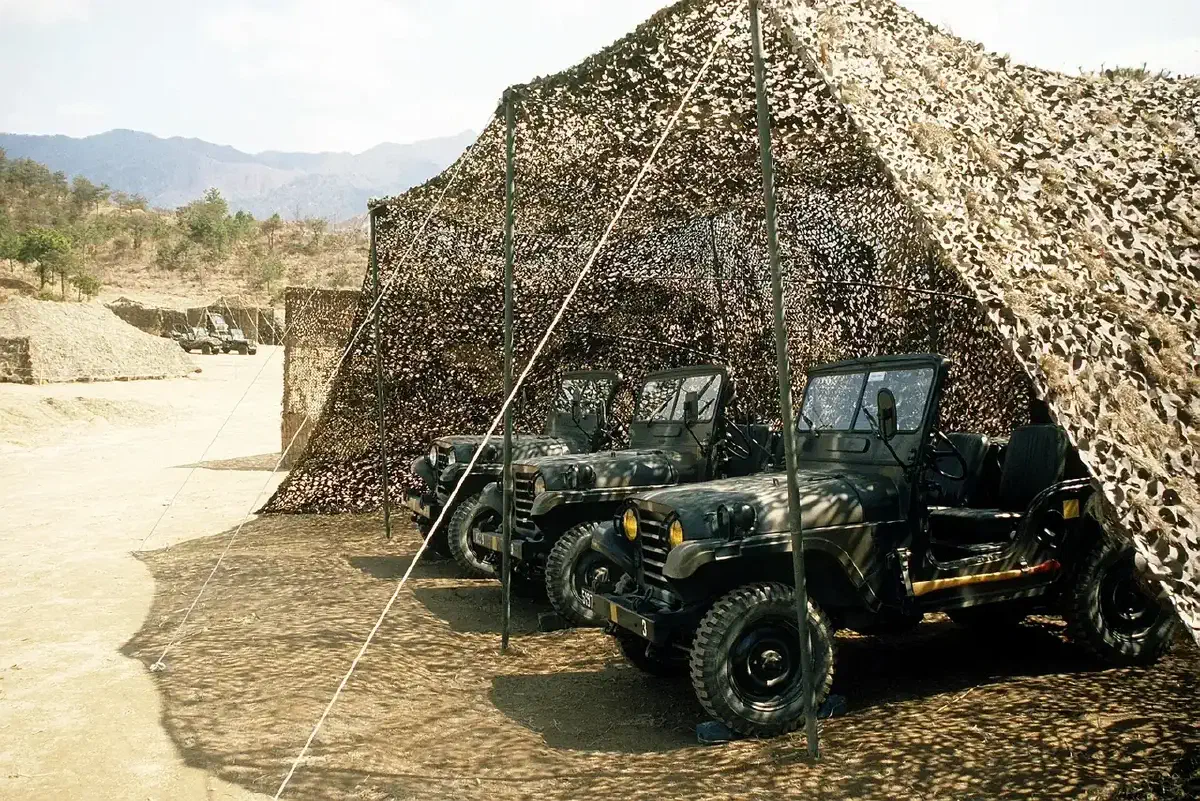
Camouflage isn’t only a military tactic. Anyone who wants to disappear into nature can use it, whether to observe wildlife, to sit quietly, or to keep a fallback site unnoticed. A concealed retreat takes the movement skills above and applies them to a fixed location.
Choose the site carefully. Consider the density of the forest, the distance to water, and how easy the place is to reach. A secluded area with plenty of foliage gives better cover and privacy. Remember that every convenience, such as a nearby stream or an easy trail, is also something that brings other people close.
Build with what’s there. Plan the shelter so it’s both functional and discreet. Use branches, leaves and moss to build a shelter that blends into the surroundings, instead of bringing in materials that look manufactured.
Dress for the woods. Wear camouflage clothing that matches the colors and patterns of the local vegetation, so you don’t stand out.
Hide your scent. Animals, and people with dogs, have a keen sense of smell. Avoid strong-smelling products, and consider natural scents such as pine or cedar to blend in.
Manage light and fire. Use dim lighting to avoid attracting attention, and choose a safe spot for any fire to reduce the risk of starting a forest fire. A fire you can’t control is both a danger and a signal.
Stock food and water. A retreat needs a reliable supply. Store non-perishable food and purify water from local sources.
Conceal your storage. Keep supplies out of sight in natural features such as rocks, hollowed-out trees or underground caches. That protects your belongings and keeps the site looking untouched.
Keep it quiet. Natural materials like soft moss, thick foliage and branches muffle noise, which helps the site stay peaceful and undetected.
Communicate discreetly. If you need to contact others, use low-tech methods such as hand signals, bird calls or coded messages, so you don’t give away your location.
Maintain and protect it. Inspect and reinforce the shelter, storage and concealment regularly to protect against wildlife, weather and human intruders.
Leave no trace. Minimize your impact on the ecosystem, avoid unnecessary disturbance, and clean up after yourself. A site that shows no sign of human use is harder to find, and the forest stays intact.
Training #
Regular practice is the only way to make silent movement reliable. Find a safe environment, then gradually challenge yourself in different terrain and conditions. Classes or workshops on survival skills and stealth can speed this up.
Mix up how you train:
- Solo exercises build individual skill and awareness.
- Group exercises teach you to coordinate movement and communicate silently with others.
- Nighttime sessions let you refine your skills in low light, including with night vision equipment. Put safety and visibility first.
- Scenario drills simulate real survival situations, such as an urban setting, a wooded area or a confined space, so you can test your skills under pressure. Review each drill afterward to find what to improve.
Bottom line #
You won’t master this in a weekend. Start with footwear, pace and posture, then add gear discipline, cover and route planning, and, if you have the land for it, a concealed site; drill on varied terrain at night as well as day. Stay vigilant, adapt to your surroundings, and always put your safety first when moving stealthily.
Related reading: Security and communications; The Use Of Tactical Deception In Evasion Strategies; Tactical Survival For A Spy: Safety In Dangerous Situations