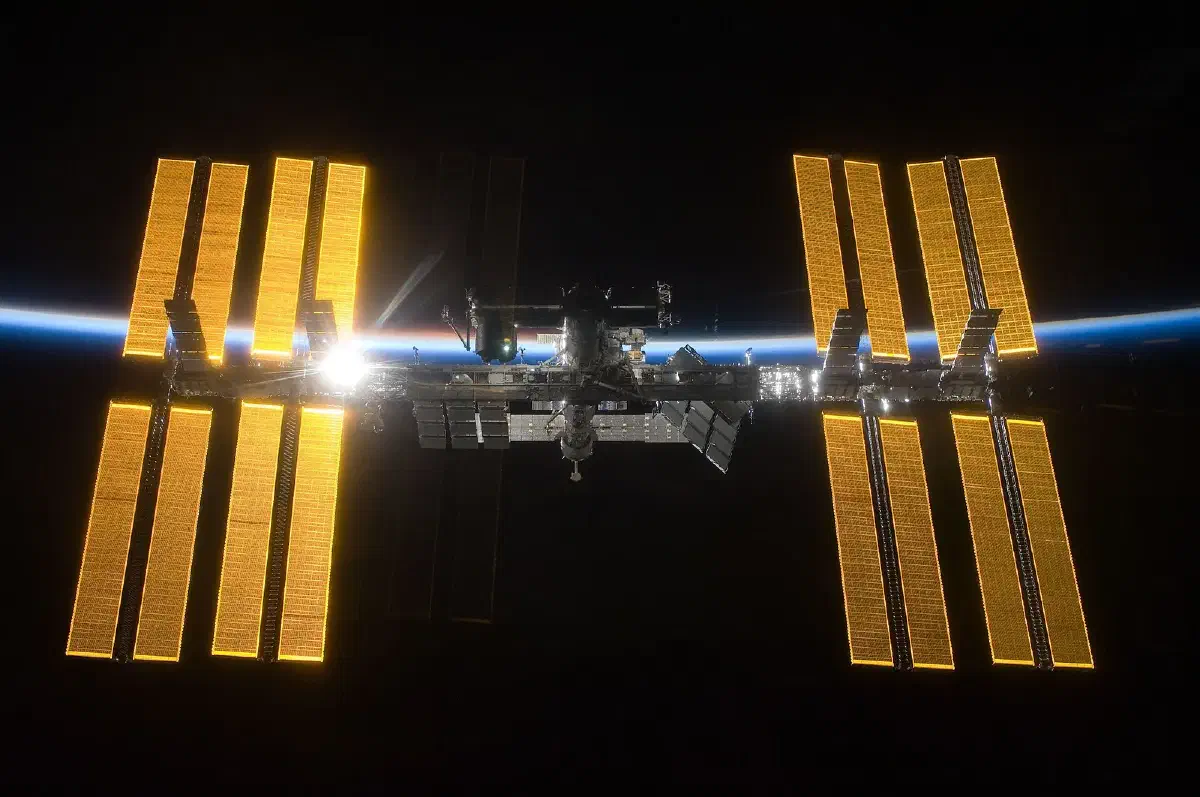
Survival in space means dealing with extreme temperatures, a lack of oxygen, and microgravity. This article covers what it takes to prep for space travel and how to improve your chances of surviving it.
The Harsh Environment of Space #
Space is an unforgiving place, with conditions that are completely different from what we experience on Earth. Temperatures can vary from extremely cold to scorching hot, depending on whether you are in direct sunlight or in the shade. There is also a complete vacuum, meaning there is no air to breathe.
Surviving in space requires careful preparation and an understanding of the challenges you will face. By learning about the harsh environment of space, you can better equip yourself for the journey ahead.
Understanding the Effects of Microgravity #
One of the most significant challenges of space travel is the effect of microgravity on the human body. In space, there is little to no gravity, causing astronauts’ muscles and bones to weaken over time. This can lead to a loss of muscle mass and decreased bone density.
To counteract these effects, astronauts must engage in regular exercise and physical therapy while in space. Strength training and cardiovascular exercises are essential to maintaining muscle mass and bone density. Additionally, astronauts must carefully monitor their diet to ensure they are getting enough nutrients to support their bodies in a microgravity environment.
Preparing for Radiation Exposure #
Another critical aspect of prepping for space travel is understanding and preparing for the effects of radiation exposure. In space, astronauts are exposed to higher levels of radiation than they would experience on Earth due to the lack of atmosphere to block out harmful cosmic rays.
Protecting yourself from radiation exposure is crucial for survival in space. Astronauts wear specially designed spacesuits and helmets that help shield their bodies from harmful radiation. Additionally, spacecraft are equipped with radiation shielding materials to minimize exposure during long-duration missions.
Ensuring Life Support Systems Are Functioning Properly #
In space, there is no room for error when it comes to life support systems. These systems are essential for maintaining a habitable environment for astronauts, providing them with air to breathe, water to drink, and a controlled temperature to stay comfortable.

Regular maintenance and checks of life support systems are crucial to ensuring they are functioning properly. In the event of a malfunction, astronauts must be prepared to troubleshoot and fix the issue quickly to prevent a life-threatening situation from occurring.
Emergency Preparedness in Space #
Despite all the preparation and training that goes into space travel, emergencies can still arise. From a fire onboard the spacecraft to a medical emergency with one of the crew members, astronauts must be prepared to handle any situation that may come their way.
Emergency preparedness training is a critical aspect of prepping for space travel. Astronauts undergo extensive training in emergency procedures, including fire drills, medical simulations, and evacuation protocols. By being prepared for the unexpected, astronauts can increase their chances of survival in the harsh environment of space.
The Psychological Challenges of Space Travel #
In addition to the physical challenges of space travel, astronauts must also contend with the psychological impact of being in space for an extended period. The isolation, confinement, and lack of contact with friends and family can take a toll on astronauts’ mental health.
To combat these psychological challenges, astronauts participate in regular counseling sessions and communication with loved ones back on Earth. Social support from fellow crew members is also essential for maintaining mental well-being during long-duration space missions.
Training for Space Travel #
Preparing for space travel is a lifelong commitment that requires dedication, discipline, and a willingness to push yourself to the limits. Astronaut candidates undergo rigorous physical and mental training to prepare them for the challenges of space.
Physical fitness is a key component of astronaut training, with candidates participating in strength training, cardiovascular exercise, and endurance activities to build the physical stamina needed for space travel. Mental training, such as problem-solving exercises and simulations, helps astronauts develop the critical thinking skills required to handle emergencies in space.
Conclusion #
In conclusion, prepping for space travel is a complex and challenging process that requires careful preparation, training, and dedication. By understanding the harsh environment of space, preparing for radiation exposure, ensuring life support systems are functioning properly, and training for emergencies, astronauts can increase their chances of survival in the final frontier.
Remember, space is the ultimate frontier, and surviving in this harsh environment requires a combination of physical fitness, mental resilience, and the willingness to face the unknown. So, are you ready to take on the challenge of prepping for space travel? The final frontier awaits.
This piece is part of our wider coverage of security and communications. Related reading: The Future Of Prepping: Emerging Technologies To Watch and What Is The Role Of Technology In Modern Prepping?.