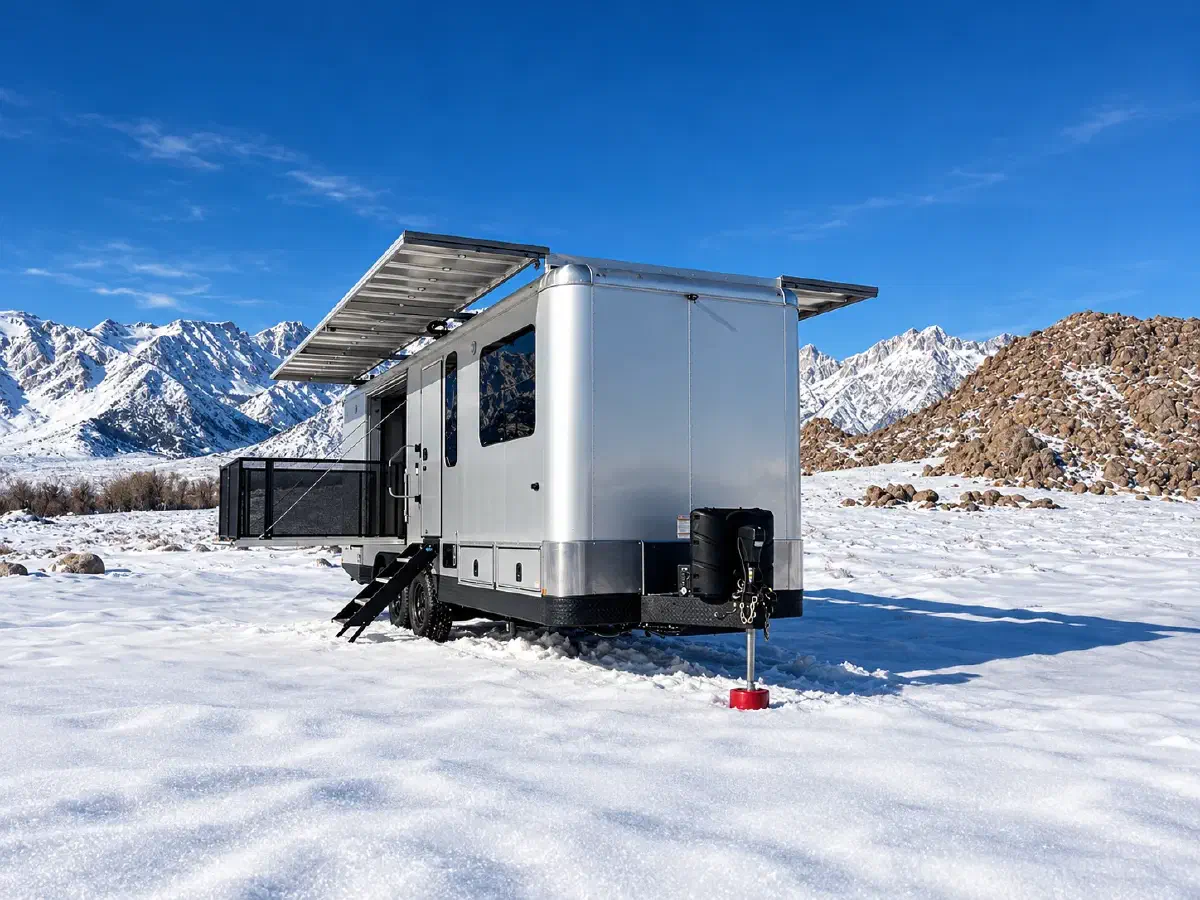
Living off the grid means cutting yourself off from public water, power, and often the grocery store, and it is a move that rewards planning. One estimate puts the number of people living off the grid worldwide at more than 1.7 billion in 2013, so it is far from a fringe idea. But the benefits, which include lower stress, better fitness, new skills, and savings, come to the people who prepare before they move. Those who don’t can struggle for basics like food and water. This checklist walks through what to settle first and what to learn, in rough order.
Understand what youre committing to #
Off-grid living has a self-sufficient undertone: you will be at least partly self-reliant. Going from power at the flip of a switch to generating your own electricity is not easy, and it can save money only if you know what you’re doing. Learn as much as you can before you commit. There are books, courses, videos, webinars, seminars, and even coaching sessions for getting an off-grid homestead ready.
You can also practice before the move. Make small changes now, such as using more solar or wind power or planting a vegetable garden, to see how you like it and to get a better idea of the bigger picture.
Get your money in order #
Sound finances come first, because going off the grid takes a large initial investment. You will probably have to buy land, build a house, and arrange a power source. Avoid spending on luxuries, live on the least you can, and settle debts beforehand. Doing so makes the adjustment easier and removes one pressure from a life you want to be undisturbed.
Be realistic about ongoing income too. Retirees may live on a pension or passive income. For everyone else, there are several options:
- Sell your existing property and invest what is left over.
- Use agriculture for income.
- Work online, since remote work is common now.
- Open your home as a bed and breakfast or short-term rental.
- Take a job in a nearby town.
Even a fully self-sufficient household will need cash for emergencies and for necessities.
Choose the land with care #
You will depend on your surroundings for power, food, and water, so the location decides a great deal. Ask first whether you want to be rural, or only partly off-grid and closer to a town. There may be free land, but building on it will cost you, and where you settle sets the cost of living.
The land should have these features:
- Water nearby. Ideally groundwater at a high level that can be extracted with a well.
- Good weather and climate suited to gardening year-round. If you plan to grow crops or keep livestock, climate and soil conditions matter. Avoid areas with strong wind or weak ground.
- Plenty of sun across the year if you plan to rely mainly on solar power.
Decide on shelter #
Will you build from scratch, buy land with a cabin already on it, or live in an RV or a tiny house while you work toward something larger? If you build, don’t leave your current residence until at least a temporary shelter is in place. Think about how many people the home must house, because size and building materials both drive cost. A tiny home on off-grid land is considerably cheaper than a sprawling estate, but don’t cut corners on materials, which will cost you later. If you buy land with an existing home, remember the down payment, which can be a large sum.
Some design points to keep in mind:
- Log cabins suit off-grid living: they are energy efficient and stay warm, and wood is gentle on the environment.
- Don’t build bigger than you need. A large house raises maintenance work.
- Include large water storage tanks and a separate rainwater harvesting system.
- A wood stove keeps the house warm efficiently and adds to its charm.
Electricity and plumbing #
This is where off-grid living gets its full meaning. You have to decide how to provide electricity, water, and plumbing, and some off-grid communities have their own rules, which may include sharing a solar power system with the other residents.
Power. Your options include wind, solar, water, and generator. Some depend on location: hydropower works only if you live close to a water source, and wind only in windy places. A small solar power system is one of the most efficient choices. Store the electricity in batteries. Solar’s drawbacks are a high initial cost and no output in cloudy weather, so keep a generator as backup. Windmills share the same problems of high cost and no output when the wind drops. You need electricity to charge phones and other devices, run fans, and pump water from a well.
Water. Sources include:
- A well, the classic solution. It’s close to the house and easy to operate, but drilling is expensive, even more so if the groundwater level is low.
- A river, which is relatively clean and fresh as long as it flows all year.
- Rainwater harvesting, which can supply a good stock but is only a supplementary option and won’t cover all your needs.
- Water delivery, if no other option is feasible. Factor whichever method you choose into the overall cost of the move.
Manage waste #
An efficient waste system matters because unsanitary conditions cause illnesses such as diarrhea. Common systems include:
- A septic tank system, which is the most efficient way to dispose of greywater and solid waste. Installation costs are high and the tank needs emptying every second year.
- Piping greywater far away from the house. Some people use it to water plants, but this can be tricky because greywater may contain chemicals that harm them.
- A composting toilet, which turns human waste into fertilizer useful in the garden.
Grow and preserve food #
Food is the next most important item. If you live close enough to town, you can still go grocery shopping. People who want to be fully self-sufficient may need to trap, fish, and hunt, or raise livestock. That takes skills, the right tools and equipment, and sometimes proper licensing, plus time, because off-grid life isn’t an overnight transition.
Develop a garden or food forest for a permanent food supply. Gardening is labor-intensive, with fencing, sowing, and harvesting, and prior experience helps a great deal. The first crop takes months to ripen, so bring a fair quantity of shelf-stable food to cover that period. Learning to preserve food extends shelf life and keeps you fed while you build your hunting and growing skills.
Learn the skills #
Alone in a secluded place, you need a wide range of skills. Priorities include:
- Finding and filtering water. Clean water is generally found at the lowest point of valleys. Filter harvested rainwater to remove dirt and bacteria, then purify it with chemicals, and carry water cleaning tablets for the short term.
- Hunting and fishing. These will form a major part of your food base. Know what to hunt, what strategy to use, and which weapon is required.
- Gardening. Know what to plant, when to water and manure, and when to harvest.
- Foraging. Gathering fruit and edible plants is handy, but it can be dangerous without enough knowledge of your surroundings.
- First aid. Even a small injury can be dangerous if untreated, and off-grid communities often lack quick access to a hospital or clinic. Know how to clean wounds, deal with blisters, and treat fevers, and carry a well-stocked kit.
- Repairs. Things will break, so know which tools fix what and keep tools in good shape.
- Other skills: cooking, DIY, crafting, waste management, self-defense, and managing livestock.
Courses in first aid, hunting, fishing and trapping, mechanics, gardening, and carpentry can cost anywhere from a few hundred to a few thousand dollars. The skills are worth it.
Build relationships and get fit #
Make friends with neighbors and others who share an interest in sustainable living. People already living off the grid have wisdom from experience, and you’ll need all the help you can get in a rural area.
Physical preparation helps too. The daily labor of a homestead builds strength naturally, but some time at the gym and activities such as climbing and hiking before you move won’t hurt. You’ll hunt, collect firewood, tend the garden, and repair the house.
Weigh the pros and cons #
Advantages:
- Flexibility in where you live, since you depend less on your surroundings than city dwellers do.
- Cost-effectiveness: you sustain yourself on the fewest resources possible.
- Less pollution, thanks to clean energy sources. Demand from off-grid living has also made the solar panel industry competitive and lowered prices.
- Life in nature, with better health, less stress, and mental peace.
Disadvantages:
- High upfront cost: buying land, building a house, setting up power and other amenities.
- Isolation, because you have limited contact with others.
- Limited resources and fewer everyday comforts.
- No one nearby to help in an emergency.
- Hard manual labor that not everyone enjoys.
Make the list, then start #
Finally, write a checklist that spells out what needs doing and what to buy, ordered by importance, cost, and necessity. You don’t need money to get started: planning costs nothing, and with the list in hand you can see how much preparation you can do without cash and fund the rest slowly as cash flow allows. The transition can take months or even years.
Self-sufficiency is the key to a good off-grid life. Pay attention to details, know your surroundings, and expect to master a long list of skills. Do that and you will be able to enjoy what draws people to this life in the first place: the quiet, the independence, and the peace of mind.
Related reading: How To Design And Build A Sustainable Off-Grid Home and How To Heat An Off-Grid Home Efficiently.