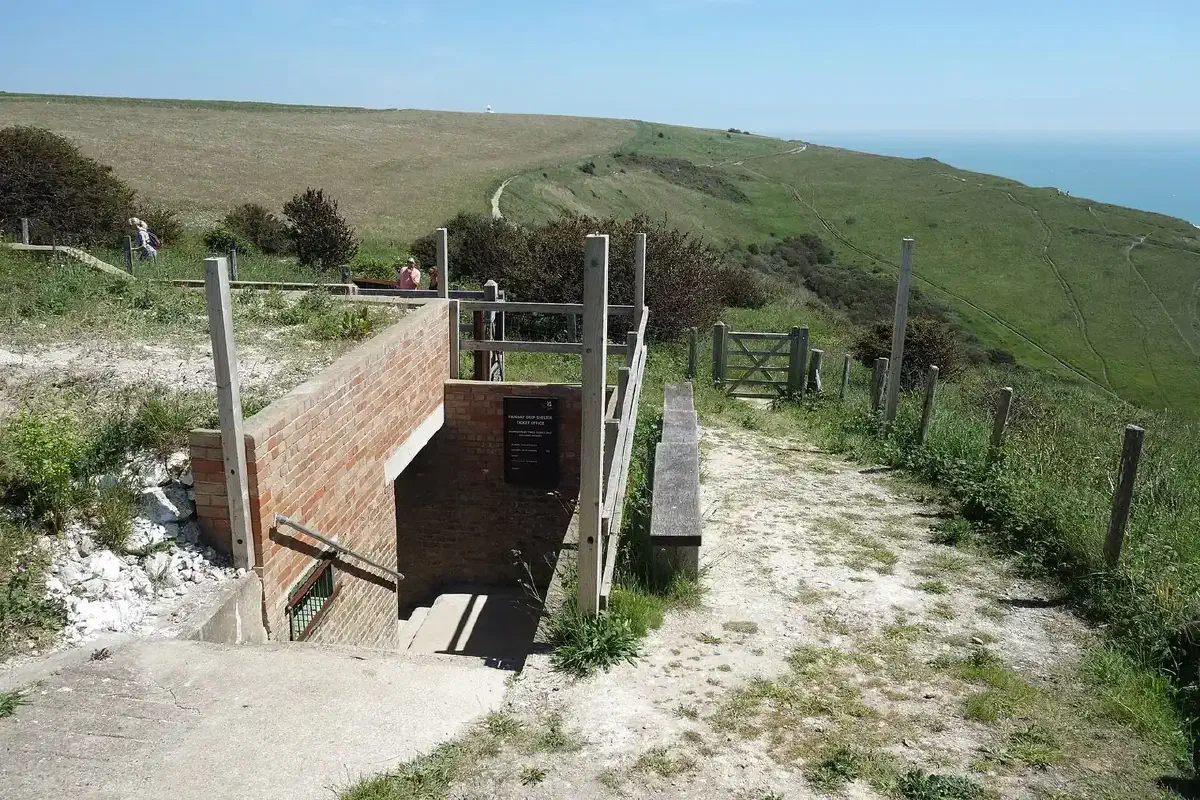
An underground shelter gives you a safe haven in an emergency.
When it comes to being prepared for any unforeseen events, having a bunker can provide you with a sense of security and protection. However, its important to ensure that your bunker is not only functional but also environmentally friendly. In this guide, we will walk you through the process of constructing an eco-friendly bunker and provide you with tips and tricks to make it sustainable and efficient. #
Why should you consider building an eco-friendly bunker?
Building an eco-friendly bunker not only helps you minimize your environmental impact but also ensures that you have a sustainable and efficient shelter in place. By incorporating green building practices into the construction of your bunker, you can reduce energy consumption, lower costs, and contribute to a healthier planet. #
Choosing the right spot for your bunker #
When it comes to constructing an eco-friendly bunker, the location plays a crucial role in its sustainability. By choosing a spot that is well-drained and easily accessible, you can minimize the impact on the environment and utilize natural resources efficiently. Avoid building your bunker in areas prone to flooding or landslides, as this can jeopardize its safety and efficiency. #
Building a bunker with the environment in mind #
Opt for sustainable materials such as recycled steel, reclaimed wood, and eco-friendly insulation when constructing your bunker. These materials not only reduce your carbon footprint but also provide durability and insulation to keep your bunker safe and comfortable. Additionally, using materials that are locally sourced can further minimize transportation emissions and support local businesses. #
Harnessing natural light in your bunker #
Incorporating natural light into your bunker design not only reduces the need for artificial lighting but also creates a more pleasant living environment. Consider installing skylights, windows, or solar tubes to allow sunlight to enter your bunker and illuminate the space naturally. This not only saves energy but also improves your overall well-being during extended stays underground. #

Sustainable energy solutions for your bunker #
To make your bunker truly eco-friendly, consider implementing renewable energy sources such as solar panels, wind turbines, or geothermal heating systems. These alternatives can power your bunker independently from the grid and reduce reliance on fossil fuels. Additionally, installing energy-efficient appliances and LED lighting can further minimize your energy consumption and environmental impact. #
Managing waste in your eco-friendly bunker #
Implementing a waste management system in your bunker is crucial for maintaining a sustainable living environment. Consider setting up composting bins, recycling stations, and water-saving fixtures to minimize waste generation and conserve resources. Additionally, using biodegradable cleaning products and avoiding single-use items can further reduce your environmental impact and promote a greener lifestyle. #
Sustainable water solutions for your bunker #
Ensuring a reliable and clean water supply in your bunker is essential for long-term sustainability. Consider installing rainwater harvesting systems, greywater recycling units, or well water filtration systems to provide a constant source of water for drinking, cooking, and hygiene. By using water-saving fixtures and practicing efficient water use, you can conserve this precious resource and reduce your environmental footprint. #
Sustainable food production in your bunker #
To make your bunker self-sufficient and sustainable, consider incorporating a small underground garden or hydroponic system for growing fresh produce. By cultivating your own food supply, you can reduce your reliance on external sources, minimize transportation emissions, and enjoy organic and nutritious meals. Additionally, composting organic waste can enrich your soil and create a closed-loop system for sustainable food production. #
Green security measures for your eco-friendly bunker #
In addition to being environmentally friendly, your bunker should also provide a safe and secure environment in times of emergencies. Consider installing robust security measures such as reinforced doors, ventilation systems, and emergency communication devices to ensure the safety of yourself and your loved ones. Regular maintenance and inspections are essential to keep your bunker in optimal condition and ready for any unforeseen events. #
Building a sustainable network of preppers #
While having an eco-friendly bunker is important for your individual preparedness, building a network of like-minded preppers can further enhance your resilience and sustainability. Joining local prepper groups, participating in community events, and sharing knowledge and resources can strengthen your preparedness efforts and create a supportive and collaborative environment. By working together with others, you can increase your chances of survival and recovery in times of crisis. #
Conclusion #
Building an eco-friendly bunker is not only a sustainable and environmentally conscious choice but also a practical and efficient solution for your preparedness needs. By following the tips and guidelines outlined in this guide, you can construct a bunker that not only protects you in times of emergencies but also minimizes your impact on the environment. Remember, being prepared is the key to resilience, and having an eco-friendly bunker is a step towards a safer and more sustainable future for yourself and your community. #
Related reading: Utilizing Earth Sheltered Buildings For Climate Control And Security and The Use Of Tunnels And Underground Spaces For Survival. This article is part of the self-reliance section.