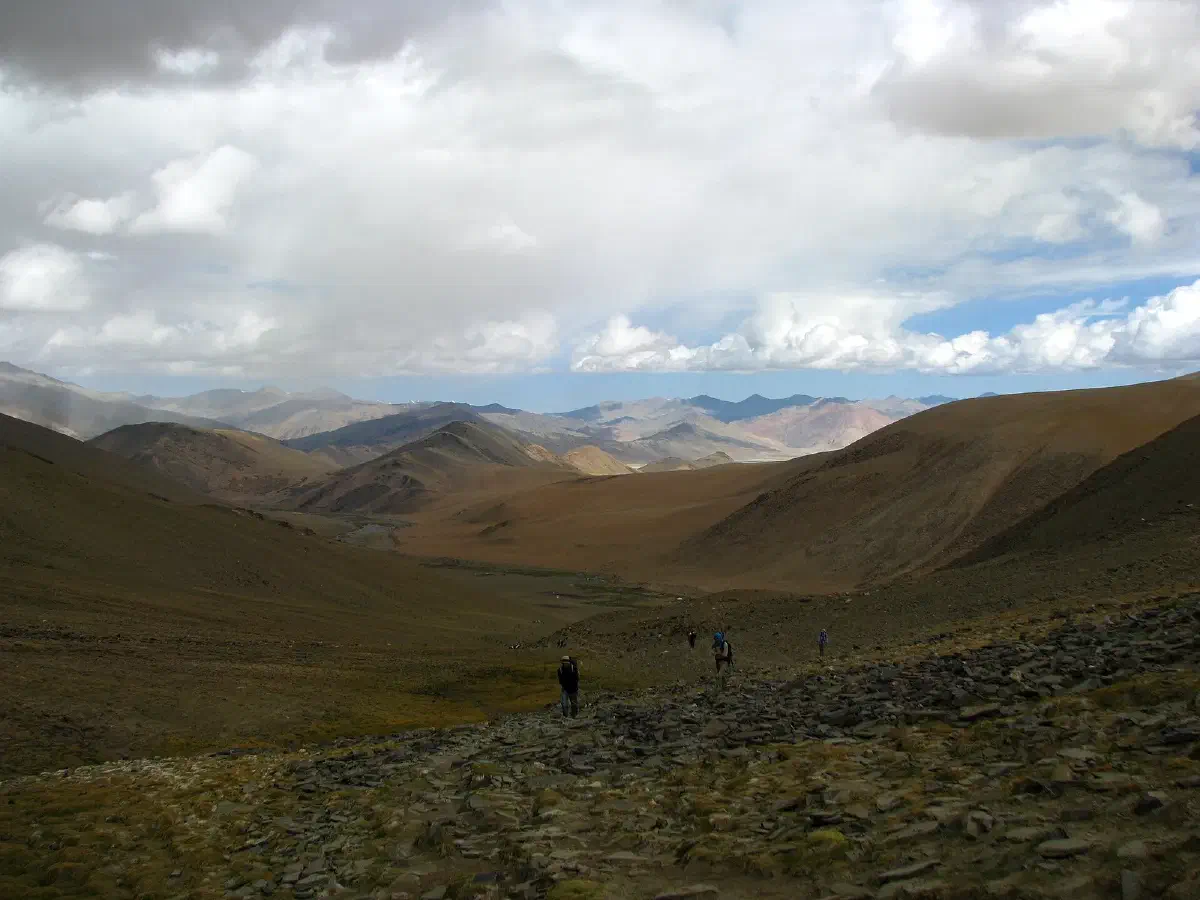
Altitude changes the rules before you do anything wrong. The air at 10,000 feet holds the same share of oxygen as the air at sea level, but there is less pressure pushing it into your lungs, so every breath delivers less. Your body can adapt to that, but only if you give it time, and most of the trouble people run into above the treeline comes from skipping that step.
This guide covers what altitude does to the body, how to prepare before the trip, how to acclimatize on the way up, what to do when symptoms show up, and what to carry.
What counts as high altitude #
The numbers vary a little by source, but a workable scale looks like this:
- High altitude: anything above 8,000 feet (2,400 meters).
- Very high altitude: above 12,000 feet.
- Extreme altitude: from roughly 18,000 feet up to the summit of Mount Everest at 29,032 feet.
At 8,000 feet and above, air pressure is low enough to cut the oxygen reaching your blood. How hard that hits you depends on the elevation and on your own conditioning. A fit person can still feel awful at 10,000 feet, and a modest ascent can be rough for someone who flew in from the coast the night before.
Lower oxygen is not the only problem. The air is dry, so you lose water with every breath and through sweat. Temperatures swing widely between sun and shade, and between day and night. The weather turns fast. Altitude is a combination of these stresses, and they make each other worse.
How the body reacts #
The main effects are altitude sickness, shortness of breath, dehydration and a faster heart rate. Altitude sickness shows up as headache, nausea, dizziness and fatigue, and it generally appears in people who climb too fast for their bodies to keep up. It is not a sign of weakness or poor fitness. Know the symptoms before you leave, because the person who is affected is often the last to admit it.
Preparing before you leave #
Fitness #
Get in shape well ahead of time. Regular cardio, strength work and long endurance sessions all help, because a hard day at altitude is a hard day at sea level with less air. Fitness does not prevent altitude sickness, but it leaves you with more reserve when you are working with less oxygen.
Hydration and food #
Start drinking well before you gain elevation, and keep it up the whole time. The dry air pulls moisture out of you faster than it does at home, and you will not always feel thirsty. If you are on a long trek, an electrolyte supplement helps keep your fluid balance in order.
For food, build your diet around high-carbohydrate foods for energy, lean proteins for muscle repair, and healthy fats for steady fuel. Go easy on caffeine and alcohol. Both make dehydration worse, and dehydration makes altitude symptoms harder to sort out.
Altitude training #
If you can get it, training that simulates altitude conditions helps the body acclimate faster once you arrive. Athletes and expedition climbers use it most, but anyone planning a serious trip can benefit.
Plan the communication side #
Leave your route and expected return time with someone reliable who can raise the alarm if you do not check in. Carry a map, compass and GPS device. If you have never navigated off-trail on a topographic map, take a course or practice in varied terrain before the trip. Altitude is a bad place to learn.
Acclimatizing on the way up #
Acclimatization is the process of letting your body adjust to lower oxygen levels. It usually takes a few days to a week, depending on how high you are going. You cannot rush it, and there is no shortcut that works.
Ascend gradually. This is the single most important rule. Rapid ascents raise your chances of altitude sickness and other complications. Mountaineers commonly climb higher during the day and sleep lower at night, and they limit how much higher they sleep each night once above roughly 10,000 feet. The principle is to give your body time to catch up with your elevation.
Schedule rest days. Your body needs more recovery time at altitude. Build rest days into the plan, and listen to what your body tells you instead of trying to hold to a fixed schedule. Overexertion invites altitude-related illness.
Stay lightly active. Rest is important, but lying around is not the answer. Easy hikes and stretching keep your circulation moving and help oxygen get where it needs to go. The aim is to balance activity and recovery, not to maximize either one.
Breathe deliberately. Deep breathing improves oxygen exchange in the lungs. Inhale slowly through your nose and exhale through your mouth. It sounds minor, but it helps, and it also settles your nerves when you are working hard.
Keep drinking. Hydration is part of acclimatization, not a separate task. Sip steadily through the day.
Recognizing and treating altitude sickness #
Watch for headache, dizziness, nausea, fatigue and shortness of breath. If any of these show up, act right away, before the condition gets worse.
Treatment. The first step is to descend to a lower altitude. Rest, fluids and food can improve a mild case. Severe cases may call for supplemental oxygen or medication, and at that point you need professional medical help. Do not keep climbing with symptoms and hope they pass.
Prevention. Follow the acclimatization steps above, stay hydrated and listen to your body. If you have had altitude sickness before, talk to a healthcare provider before the trip.
What to pack #
Clothing #
Temperatures can swing hard at altitude, so layers matter. Pack thermal base layers, insulated clothing, waterproof and windproof outerwear, and sturdy, supportive boots. Add gloves and a hat. Use layers you can add or remove as the day changes instead of one heavy jacket.
Sun protection #
UV radiation is stronger at altitude, so sunburn and skin damage come faster than you expect. Bring high-SPF sunscreen, lip balm with UV protection, sunglasses and a wide-brimmed hat.
Shelter and cooking gear #
For multi-day trips, carry a sleeping bag rated for cold temperatures, a lightweight, compact tent and a portable stove for hot meals. Hot food and drink help your body hold its temperature and keep you eating.
Medications and first aid #
A well-stocked first aid kit is essential: bandages, gauze, antiseptic wipes, pain relievers, blister pads and any prescription medications you need. If you are prone to altitude sickness, bring the medications your doctor recommends, along with over-the-counter remedies for headache and nausea. Know how to use everything in the kit before you need it.
Emergency gear #
Pack a lightweight emergency shelter such as an emergency blanket or bivy sack, signaling devices such as a whistle, mirror or flare, and extra food and water in case you are stuck longer than planned. Conditions can change in minutes at altitude, and a stranded night is a real possibility.
The mental side #
High-altitude trips are mentally demanding. Isolation, harsh conditions and sustained physical effort wear you down. Prepare for this the same way you prepare physically.
Deep breathing and simple relaxation techniques help you stay calm and focused when things get stressful. Positive self-talk keeps you moving through the long, slow stretches. Traveling with supportive people helps morale, and short breaks to rest and recharge protect your judgment. Poor decisions made when you are tired and anxious cause more accidents at altitude than any single piece of missing gear.
Putting it together #
Preparing for altitude comes down to a short list: know what altitude does to your body, build fitness and hydration habits before you go, climb slowly, recognize symptoms early and descend when they appear, carry gear that covers cold, sun and emergencies, and keep your head clear. None of it is complicated. The people who get into trouble are usually the ones who were in a hurry.
Related reading: the full survival skills guide; The Essentials Of Arctic Survival: Gear And Techniques; Surviving In Polar Regions: Preparation And Gear.