Clothing is your first shelter. In a long emergency, or on any extended trip away from supplies, what you wear and what is on your feet decide how much you can do, how long you can do it and whether small problems turn into big ones. A blister becomes a limp, a limp becomes a missed water source, and a wet jacket becomes hypothermia.
Buying good gear is the easy answer, and for most people it is the right one. But gear wears out, and in a prolonged situation you will eventually have to repair, replace or make your own. Natural fibers are the most practical place to start, since you can grow, raise, harvest or trade for them, and work them with simple tools.
Why choose natural fibers #
Natural fibers come from plants and animals. They are renewable and biodegradable, and they have a lower carbon footprint than synthetics. For a prepper, the more relevant points are that you can produce them yourself and that you can repair what you make.
Their properties vary, and the right choice depends on what you are making.
Cotton #
Cotton is soft, breathable and absorbent, which makes it comfortable for everyday wear in warm weather. It blends well with other fibers to boost durability. It also has a serious drawback for survival use: once wet, it holds water, loses its insulating value and dries slowly. That is why cold-weather guides tell you to avoid it next to the skin. Reserve cotton for hot, dry conditions and for items where absorbency is the point, like cloths and bandages.
Hemp #
Hemp is a durable, sustainable fiber known for its strength, moisture-wicking properties and antibacterial qualities. It has been used for everything from clothing and rope to canvas bags. If you want a versatile, tough material for work clothes, packs or cordage, it is a strong candidate.
Wool #
Wool comes from sheep and other animals such as goats and alpacas. It is known for warmth, moisture-wicking and odor resistance. It insulates even when it is damp, which gives it a major advantage over cotton in cold, wet weather, and it is the standard choice for socks, sweaters, scarves and hats. If you want a natural fiber that keeps you warm in the cold, choose wool.
Others #
Organic cotton and bamboo are used for comfortable, breathable base layers and activewear. Cotton canvas and hemp make strong packs and bags.
Preparing the fiber #
Fiber rarely arrives ready to use. Depending on the type, you may need to clean, card, spin or dye it before it becomes thread or yarn. Each fiber has its own process, so learn the one for your chosen material before you start, and ask someone who has done it.
Tools matter too. Sewing needles, knitting needles, crochet hooks and looms are the basic set. Good tools make the work faster and the results better, and they are worth buying well. Keep spares, because broken needles are common and hard to replace in an emergency.
Making clothing that lasts #
Materials #
Pick fibers that are durable, breathable and weather-resistant. Hemp, organic cotton and bamboo suit clothing for long-term use because they are strong and versatile, and wool does the job where warmth matters most. Think about how you will use the garment, not how it looks.
Design and construction #
Design and construction matter as much as the fiber. Consider what the garment is for, how it fits and how it will be put together. Reinforced seams, adjustable closures and strategic reinforcements in high-wear areas, such as knees, elbows, seat and cuffs, make a big difference to how long it lasts. Simple designs with fewer parts have fewer places to fail, and they are easier to repair with a needle and thread in the field.
The layering system #
A layering system lets you manage temperature and moisture:
- Base layer: sits against the skin and moves moisture away. Wool or a light, breathable fiber works well here.
- Insulating layer: traps warmth. Wool sweaters or jackets are the classic choice.
- Outer layer: shields you from wind and rain. It should be windproof and as water-resistant as you can make it.
You add or remove layers as the weather and your effort change, which keeps you from sweating through your clothes and then chilling when you stop.
Basic and outer garments #
Everyday items such as shirts, trousers and base layers suit hemp and cotton. Outerwear and layering pieces such as jackets, coats and cardigans suit wool, which gives you warmth and insulation. For accessories such as hats, gloves, scarves and socks, wool and hemp both work, and mixing textures can improve comfort and function.
Making gear #
Natural fibers also make gear:
- Packs and bags: cotton canvas and hemp produce durable, lightweight, repairable packs. Consider adjustable straps, padded compartments and interior pockets.
- Camping gear: wool suits blankets and warm items because it holds heat and manages moisture. Hammocks and similar gear can be made from sturdy cordage and canvas.
- Activewear: bamboo and organic cotton are comfortable and breathable, though they have limits in wet cold, as noted above.
Footwear #
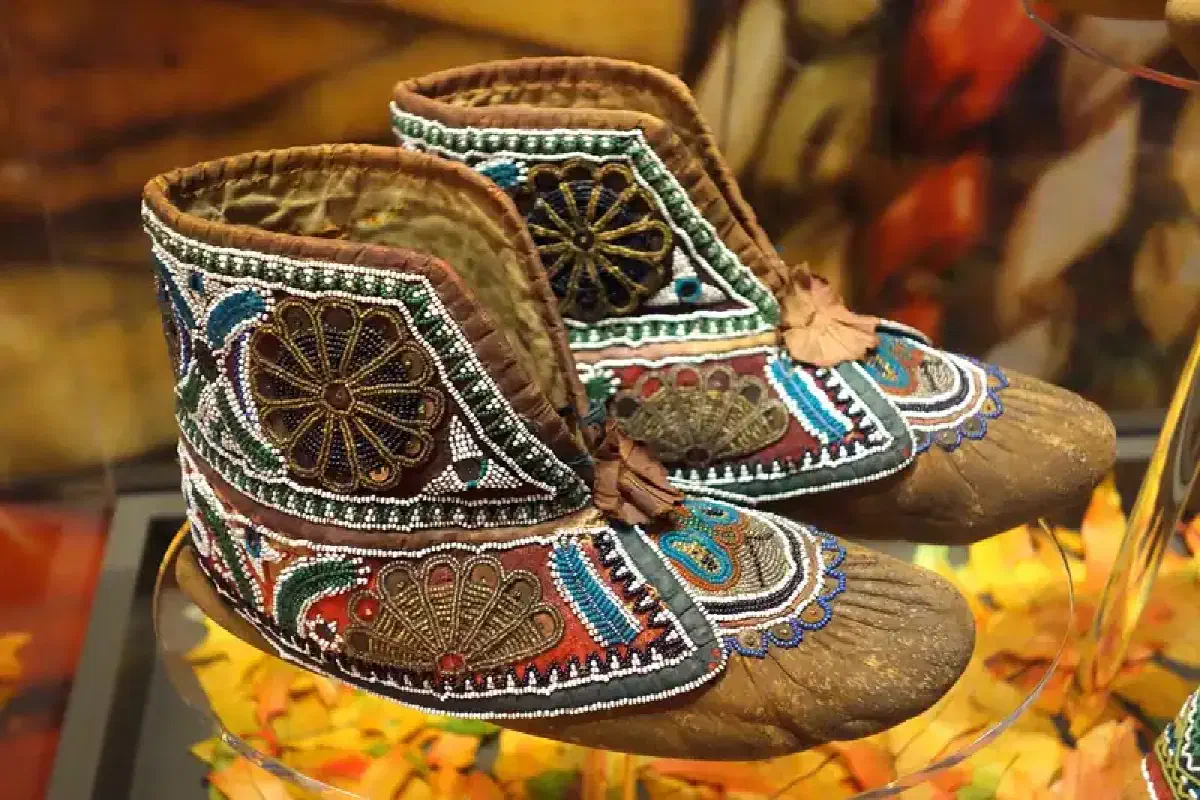
Your feet carry you and your load, so they get priority. Footwear that fails in the field can end a trip, and in an emergency it can cut off your ability to get out.
Design #
Look for stability, support and protection, with room for natural movement and flexibility. Ankle support, tread patterns and breathable materials are the main considerations. Boots with good ankle support protect on uneven ground, while a flat, simple design is easier to make and mend.
Soles #
The sole determines grip, traction, shock absorption and durability. Natural rubber and recycled rubber are practical, sustainable materials that give good grip on varied terrain. When you make or repair footwear, a thick, well-attached sole is the part you should not skimp on.
Weather resistance #
Wet feet blister and chill quickly, which raises the risk of blisters and frostbite. Look for water-resistant materials, moisture-wicking liners and weatherproof treatments. Wool socks help keep feet warm even when damp, and carrying a spare pair lets you change into dry ones at the end of the day.
A sensible order to learn it in #
Start with repair, then move to making. Sewing on a button, closing a seam with a running stitch and patching a hole with a backstitch are the foundation, and they pay off immediately on the clothes you already own. Next, try a simple project in a forgiving fiber, such as a canvas pouch or a pair of wool socks. Once those come out well, move on to garments with more pieces, and finally to footwear, which is the hardest of the three because fit and sole attachment both have to be right.
Keep notes on what fails. A seam that opens on the first hard day tells you where your next reinforcement should go.
Keeping it going #
Clothing and footwear made by hand need maintenance. Inspect seams and soles regularly, patch small holes early and keep a basic repair kit with a needle, strong thread and a few patches. A small repair done in time can save a garment, while a big one may not be possible when you are far from supplies.
Practicing before you need to is the key. Make a pair of socks, sew a canvas bag or mend a pair of boots now, while you can still buy a replacement if it goes wrong. By the time you need the skill, it will already be in your hands.
Related reading: the full survival skills guide.