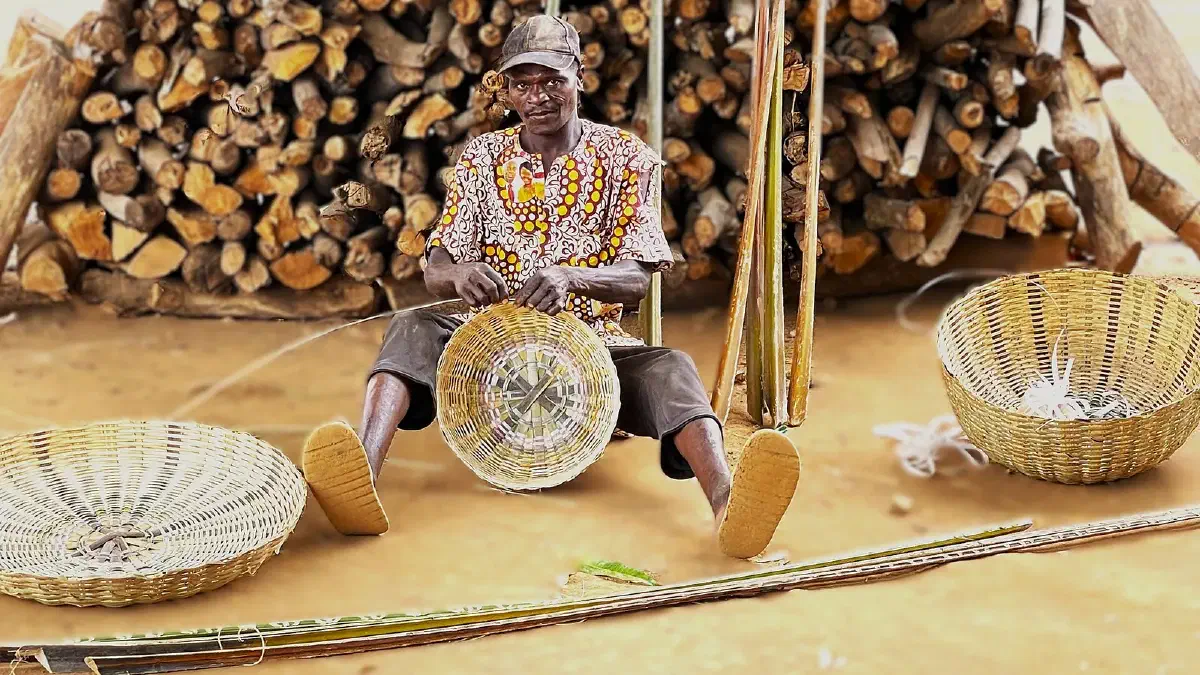
Every skill a prepper might need in a long emergency was once just a skill. Before matches, refrigerators and grocery stores, people made fire by friction, built shelter from what stood around them, found water, gathered or trapped food, and preserved it for winter. None of that knowledge went away. It just stopped being necessary, so most of us stopped learning it.
That gap is the reason traditional skills belong in a prepping plan. Gear can be lost, broken, stolen or out of fuel. A skill cannot, and it works the same whether the power is on or off.
Why old methods still matter #
The main argument is self-reliance. If you can make an essential item from scratch, you are not dependent on a supply chain, a store or a battery. In a situation where resources are limited or missing, knowing how to make things with your hands is the difference between having options and having none.
There are other benefits too. These skills build confidence and independence, and they cut your reliance on outside help. They also give you a practical view into how people lived and worked in harmony with their surroundings. And many people find real satisfaction in them, which matters, because a skill you enjoy is a skill you will actually practice.
None of this means giving up modern equipment. It means treating traditional methods as the backup, and the knowledge as the part of the kit that weighs nothing.
Fire without matches #
Fire gives you warmth, a way to cook, a way to boil water, light and a signal for help. When matches and lighters run out, the traditional methods take over.
Flint and steel is the simplest: strike steel against flint to throw sparks onto dry tinder. Friction methods, such as the bow drill and the hand drill, generate heat by spinning a wooden spindle against a wooden board until it produces an ember. Both take practice and patience, and the first dozen attempts usually fail. The way to learn is to try them repeatedly in different conditions with different materials, long before your life depends on it.
Shelter from natural materials #
Staying dry and out of the wind is often the first priority, ahead of food and sometimes ahead of water. Primitive shelters were built from branches, leaves, vines and, where available, animal skins. A frame of branches covered in leaves or other debris can make a snug, insulated space.
Building one teaches you to read a site: where water will drain, which way the wind blows, how much material is nearby, and how much time you have. Try it in the backyard first. You will find out quickly how much leaf cover it takes to make a shelter that sheds rain.
Water #
Finding safe water is one of the most urgent survival problems. Traditional approaches include building a solar still and making a filter from natural materials. These methods supplement boiling and are better for emergencies than as a first choice. Boiling remains the most dependable way to make water safe. Practice each approach in advance so you know how much water it will actually deliver.
Foraging #
Gathering wild plants and fruits is among the oldest food skills, and some indigenous cultures still practice it as a primary source of food. Learning what grows near you can add fresh, nutritious food to your diet and expand your options in an emergency.
Do it carefully:
- Consult a field guide or an expert before eating any wild plant or fruit.
- Start with common, easily identified plants in your area, such as dandelions, berries and nuts.
- Avoid areas that may be contaminated with pesticides or other chemicals.
If you are not sure, do not eat it. A wrong identification can end a survival situation badly. Learning in daylight, with an experienced forager or a regional guide, is far safer than trying to work it out when you are hungry.
Hunting and trapping #
Hunting and trapping were once core to securing food and materials. Few people need them for survival today, but learning the skills teaches you a lot about the natural world and gives you a closer connection to your food. Always follow local laws and regulations on hunting and trapping.
Traps can be made from natural materials like branches and vines, and learning how they work helps you understand animal behavior. Marksmanship and stealth are the other half of the skill. Get training, and treat these methods as a backup to the food you store, not a plan to rely on.
Natural navigation #
People crossed long distances for thousands of years with no maps. The methods use the sun and stars to find direction, and landmarks such as mountains and rivers to orient yourself. They are worth learning even if you carry a compass, since a compass can break and the sky does not. Keep maps and a compass as a backup, and practice reading terrain until you can do it automatically.
Preserving food #
Before refrigeration, people dried, smoked, fermented and pickled food to keep it through the lean months. The techniques are still useful:
- Dry herbs and fruits in the sun for long-term storage.
- Ferment vegetables to make foods such as sauerkraut or kimchi.
- Smoke or pickle meats and vegetables for flavor and preservation.
Preserving food reduces waste, saves money and lets you enjoy seasonal produce all year. It also ties directly to a food storage plan, since a pantry of preserved food is only as good as your ability to restock it.
Where to put your time first #
You cannot learn everything at once, so rank the skills by how fast the lack of them hurts you. Shelter and fire come first, because exposure is a common cause of death outdoors and cold takes hours, not days. Water comes next, since a person can go much longer without food than without water. Food skills such as foraging, trapping and preservation take longer to build and pay off over weeks, so start them early even though they are not the most urgent.
Navigation fits in everywhere, because it determines whether you can get to the water, the shelter or the road. Pick the skills that match the places you actually go, and the emergencies you are most likely to face. A prepper in a desert region needs a different set of skills from one in a northern forest.
Remember also that these crafts support each other. A fire lets you dry foods and boil water. A shelter gives you somewhere to work in bad weather. Cordage and knots tie the frame together, and the same sharp tools you use for one job serve for all of them. Learning them as a connected set is easier than treating them as separate subjects.
How to start learning #
You do not need a mountain of equipment to start. You need a plan and a little time each week.
Take a class. Community centers, outdoor schools and craft stores offer courses in fire making, shelter building, foraging and other skills. Hands-on instruction from someone who knows the work shortens the learning curve and catches mistakes before they become habits.
Practice regularly. These are physical skills, and you build them by doing them. Set aside a regular time to work on one skill, and try different techniques to see what suits you. Practice in poor weather as well as good.
Find a community. Local prepping and survival groups, and online forums and social media groups for traditional crafts, are good places to swap tips, ask questions and find people to practice with. Learning is easier and more fun when you have company.
Where to go from here #
Choose one skill from this list and spend a month on it. Make fire by friction until you can do it reliably, or identify ten edible plants within walking distance of your house, or build a shelter you can sleep in. Then move on to the next one. A handful of skills you have actually practiced is worth more than a long list you have only read about.
Related reading: the full survival skills guide; The Importance of Learning Traditional Skills in a Modern World; The Benefits Of Learning Traditional Craftsmanship Skills.