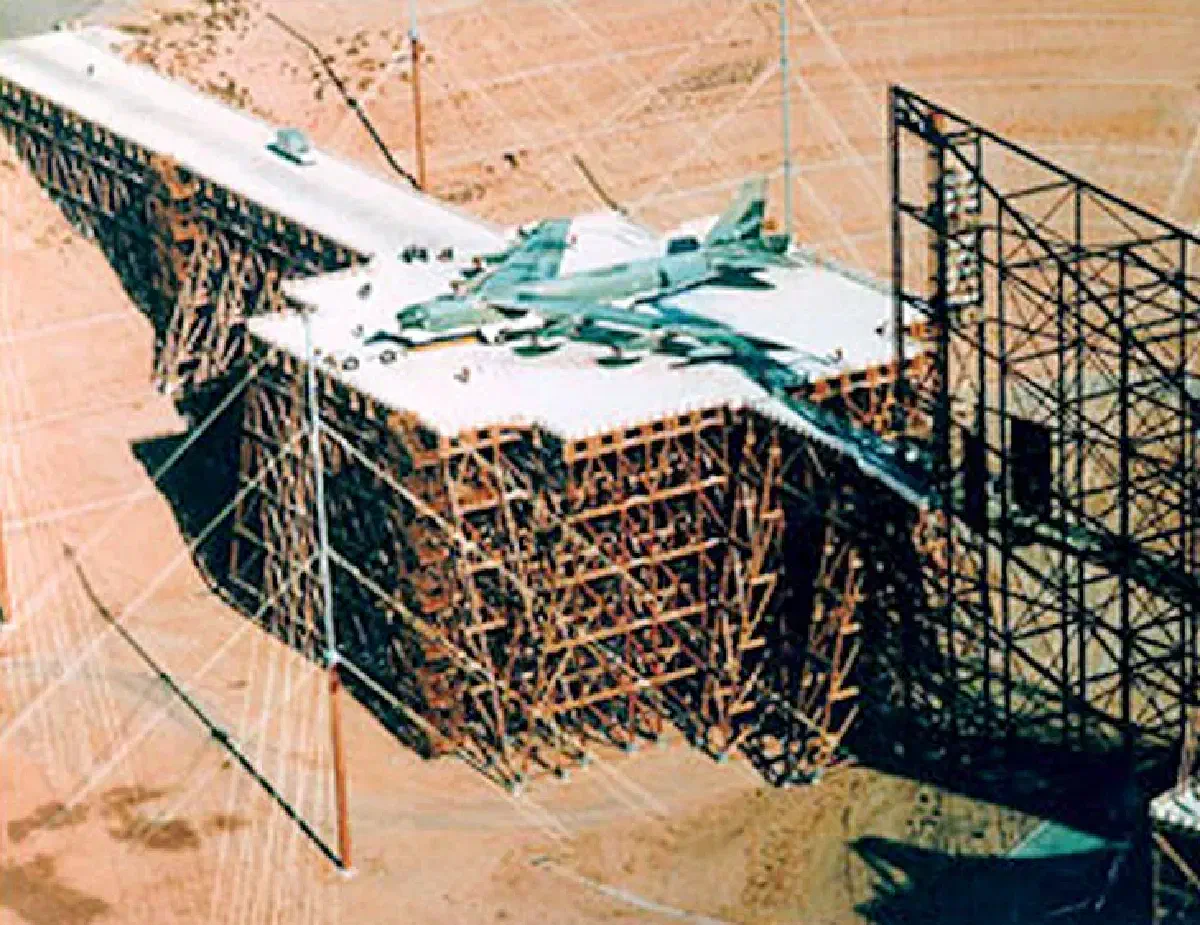
An electromagnetic pulse is a short, intense burst of electromagnetic energy. It induces current and voltage surges in electronic equipment and wiring, and those surges can damage components or knock devices out entirely. The scenario sounds like science fiction until you list what runs on electronics: the grid, phone networks, fuel pumps, water treatment plants, hospitals, bank terminals, your car. A serious EMP event would not just break gadgets. It would remove the infrastructure that makes ordinary life routine, and the recovery would depend largely on what people had done beforehand.
Plan the response here, then do the hardware work: build a Faraday cage and how to keep your electronics safe from EMPs cover protection. The natural counterpart to a man-made pulse is covered in space weather and solar storms, and the full set of scenarios is in the crisis and medical hub.
This guide lays out a survival plan for that scenario, built around the realistic problems: a long power outage, loss of communications, interrupted supply chains, and the safety issues that follow.
Where an EMP comes from #
There are three main sources.
- High-altitude nuclear detonation. A nuclear weapon exploded high above the earth can produce a powerful pulse that covers a very wide area. For preppers this is the scenario of greatest concern, because the effects could span a region or more, regardless of where the blast occurred.
- Solar activity. Solar flares and coronal mass ejections cause geomagnetic storms that induce currents in long conductors like power lines. The effect on the grid can be severe even if small devices are largely unaffected.
- Man-made devices. Non-nuclear EMP weapons exist that generate a burst of electromagnetic energy over a much smaller area.
Lightning is also a source of electromagnetic pulses, though it is local and familiar. The same surge protection that guards against a nearby strike gives you a baseline of protection against smaller disturbances.
Why the threat is real for a modern household #
The danger comes from dependence. Power grids, communications networks, transportation, healthcare and water systems are all interconnected and all rely on electronics. A widespread event could mean long power outages, communications breakdowns and interruptions to essential services, and the interdependence means a failure in one system quickly spreads to the others. Fuel cannot be pumped without power. Stores cannot take payment. Trucks cannot be dispatched. The result would be shortages within days.
Nobody can say how likely such an event is, and this guide does not try to. What matters is that the preparations for an EMP overlap almost entirely with preparations for any extended grid failure, so the effort is rarely wasted.
Protect the electronics you cannot do without #
Hardening your gear is the part most closely associated with EMP, so do it first, but be realistic about its limits. You cannot protect everything. You can protect the items that let you communicate, navigate and keep functioning.
Shielding #
The standard approach is to enclose a device in a conductive shell, a Faraday cage. Common materials include aluminum foil, metal containers with tight-fitting lids, and conductive fabric. Commercial EMP shielding products and shielded bags are also available if you would rather buy than build. Whatever you choose, the device must be completely enclosed with no gaps in the shielding, and it should not touch the inside walls of the container. A simple precaution is to wrap the device in an insulating layer such as cardboard or plastic first, then place it inside the metal container.
What belongs in the cage? A hand-crank or battery radio, a spare phone, a small solar charger, flashlights, a USB drive of important documents, a spare handheld two-way radio, and any critical medical device with a backup unit. Store spare parts for your vehicle’s electronics if you can afford to.
Surge protection #
Surge protectors and suppressors divert excess electrical energy away from the equipment connected to them. They will not stop a strong EMP on their own, but they reduce the risk from the smaller surges that come with grid disturbances. Use quality equipment, and pay attention to ratings. Unplug sensitive equipment when you are not using it, which both reduces risk and extends the life of your devices.
Layer 2: Supplies #
An EMP scenario is, first of all, a supply scenario. Stores will empty, and if transportation fails they will not restock quickly.
Build a stockpile of food, water, medications and hygiene products sufficient to sustain your household through a long outage or supply-chain disruption. A comprehensive emergency kit includes non-perishable food, water purification tools, first aid supplies and hygiene products. Rotate stored food regularly so it stays fresh and usable. Keep a supply of any prescription medication you depend on, since pharmacies will rely on electronic records and refrigeration.
Include tools that work without power: a manual can opener, hand tools, a hand-powered water pump or filter, and fuel for cooking.
Alternative power #
After an EMP the grid may be unavailable for an extended period. A modest backup system keeps essential functions running: lighting, communications and medical devices.
Solar panels, generators and portable power banks are the usual options. Whatever you buy, store enough fuel or batteries to meet your needs for the duration you are planning for, and keep a spare charge controller or inverter shielded in your cage, because those are the parts most likely to fail. Solar systems can keep producing in the aftermath, provided the components were protected. Test your system regularly.
For most households, a small solar-and-battery setup that powers a radio, lights and phone chargers is worth more than a large generator that depends on a fuel supply.
Layer 4: Communication #
Phones and the internet may be among the first casualties. Agree on a communication protocol with your family, friends and neighbors before anything happens:
- Designated meeting locations, with an alternate for each.
- A paper list of emergency contacts.
- Alternative methods such as two-way radios or signaling devices.
Hand-crank or battery radios let you receive broadcasts. Even without the ability to transmit, hearing what authorities are saying is valuable. Practice using your radios so that nobody is learning how they work in the dark.
Home and shelter #
In the aftermath of an event, the hazards are mostly ordinary ones: cold, heat, intruders, and unsafe conditions. Prepare your home so you can stay in it.
Reinforce doors and windows, add security measures appropriate to your circumstances, and keep your supplies in a defensible location. Designate a safe room or shelter area where the household can retreat if conditions deteriorate. Insulation, extra blankets and a safe heat source matter in cold climates, and shade, ventilation and water storage matter in hot ones.
A retreat, if you can manage one #
For some preppers, the best protection against a prolonged breakdown is a second location away from urban centers and critical infrastructure. If you are considering one, the criteria are straightforward:
- Remote enough to be away from population centers and obvious targets, but reachable from your home.
- Access to natural resources: water, arable land, wildlife.
- Security and accessibility, including the route you would take to get there when roads are crowded or blocked.
- Stockpiled food, water, medical supplies, tools and protective gear.
- Renewable power such as solar panels or wind turbines, to avoid dependence on a fuel supply.
A retreat is a significant investment and not a requirement. If it is out of reach, concentrate on making your own home as self-sufficient as possible.
Layer 7: Skills #
Equipment fails and skills do not. Learning practical skills is the part of EMP preparedness that costs the least and pays back in any emergency. Prioritize:
- First aid and CPR.
- Fire starting.
- Water purification.
- Shelter building.
- Basic self-defense.
- Basic repair: electrical, mechanical and vehicle.
Practice regularly, and consider a training course for the skills you cannot teach yourself. A weekend spent living without electricity will teach you more than a month of reading.
A short starting checklist #
If you are starting from nothing, work in this order:
- Two weeks of food and water, plus medications.
- A battery or hand-crank radio, flashlights and spare batteries.
- A shielded container holding a spare radio, phone and charger.
- A written communication plan with meeting points.
- Surge protectors on key equipment.
- A small solar charging setup.
- Basic skills and a safe room.
Extend from there toward longer supplies, stronger power systems and a retreat as your resources allow. A plan that exists and has been practiced beats a perfect plan that has not been started.