When a hospital is a day’s walk away or the pharmacy shelves are bare, a minor infection stops being minor. People have treated cuts, coughs and earaches with kitchen ingredients and garden herbs for centuries, and a prepper with a stocked cabinet of honey, garlic, essential oils and tinctures has options when conventional medicine is not available.
This guide covers the ingredients people turn to for different kinds of infections, how to build a long-term supply of herbs, oils and tinctures, and how to use all of it safely. A frank caution belongs up front. These remedies are traditional and supportive. They are not equivalent to a prescription antibiotic, they are not proven to cure serious bacterial infections, and a spreading or worsening infection needs a professional. Treat everything below as a supplement to proper care, and as a fallback when proper care really is out of reach.
Why preppers look at homemade remedies #
In a disaster or a pandemic, medical facilities and supplies may be severely limited. Antibiotics are substances that kill or inhibit the growth of bacteria, and in a survival situation bacterial infections spread and become dangerous quickly. Pharmaceutical antibiotics also come with side effects, and over-the-counter products for colds and flu often only mask symptoms. Natural remedies, made from herbs, essential oils and certain foods, aim to support the body’s immune system and healing instead.
Two groups of ingredients do most of the work. The first is everyday kitchen items: honey, garlic, ginger and turmeric, all used for centuries for their antibacterial properties. The second is herbal remedies such as echinacea, goldenseal and oregano, brewed into teas or tinctures.
Remedies by type of infection #
Cuts and scrapes #
Minor wounds can become infected when they are not treated properly.
- Raw honey is described as a potent antibacterial agent. Spread a thin layer over the cut and cover it with a bandage. The honey forms a protective barrier while the wound heals.
- Coconut oil has antibacterial and anti-inflammatory properties. A small amount soothes the skin, reduces inflammation and keeps the area moisturized as it heals.
Respiratory infections #
- Eucalyptus oil steam. Eucalyptus has decongestant and expectorant properties. Add a few drops to a bowl of steaming water and inhale the steam to clear the sinuses. A few drops in a warm bath can ease the aches that come with a respiratory infection.
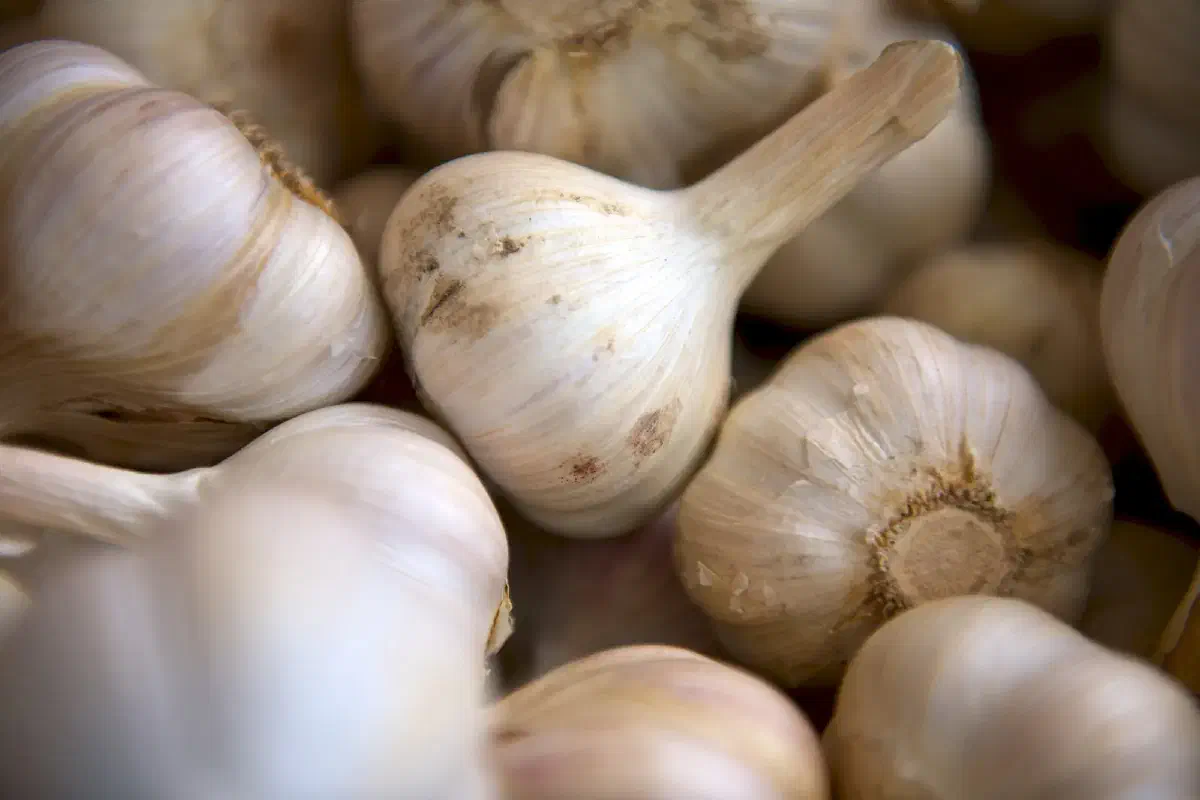
- Garlic and honey. Garlic is a powerful natural antibiotic that supports the immune system. Crush a clove and mix it with honey for a syrup, and take a spoonful daily to support your defenses during recovery.
Skin infections #
- Tea tree oil is an antibacterial and antifungal agent that can calm acne-causing bacteria and irritated skin. Dilute it with a carrier oil like coconut oil and apply it to the affected area. It is gentle enough for sensitive skin.
- Aloe vera gel, applied directly, reduces redness, swelling and irritation. It is safe for all skin types.
Digestive infections #
- Apple cider vinegar. Mix a tablespoon with water and drink it before meals to help with digestion. It is described as a natural antibacterial that supports a healthy balance of gut flora and may reduce bloating and gas.
- Ginger tea or a small piece of fresh ginger calms the stomach and reduces nausea and vomiting. Ginger is also anti-inflammatory and antibacterial.
Urinary tract infections #
- Cranberry juice. Drink unsweetened juice or take capsules. The compounds in cranberry may keep bacteria from adhering to the walls of the bladder and urinary tract.
- D-mannose is a type of sugar that also helps prevent bacterial adhesion. Take the powder or capsules daily to support urinary health and help prevent recurrent infections.
A UTI that does not clear quickly, or one with fever or back pain, is the kind of infection to take to a clinic.
Ear infections #
- Garlic oil. Warm it slightly and put a few drops in the affected ear to relieve pain and inflammation.
- Mullein oil. A few drops can ease pain and discomfort and reduce inflammation. It is used for both children and adults.
Eye infections #
- Chamomile tea compress. Brew a cup, let it cool slightly and lay it over closed eyes as a warm compress to reduce redness and swelling.
- Raw potato slices over closed eyes may reduce inflammation, irritation and itching.
oils and tinctures #
Viruses are as much of a threat as bacteria in a crisis. Essential oils such as tea tree, eucalyptus and lavender have antiviral properties that can help against respiratory infections and other viral illnesses. You can diffuse them, make topical treatments, or add them to homemade cleaning products.
Tinctures are concentrated herbal extracts the body absorbs easily. Elderberry, licorice root and astragalus are the herbs named for antiviral tinctures. Keeping them on hand gives you something to support your immune system through common viral illnesses.
Building a supply that lasts #
Homemade medicine only helps if you can keep making it. The long-term approach has three parts.
Grow the herbs. Oregano, thyme and sage are easy to cultivate in a home garden or in indoor pots, and they supply a continuing source of natural antibiotics and antivirals. Harvest and preserve them to create a stockpile that lasts through an extended emergency.
Make your own oils. Peppermint, lemon balm and rosemary can be turned into essential oils. A quality distiller or extraction kit lets you produce oil from fresh or dried herbs.
Preserve tinctures. Tinctures keep for long periods without losing potency. Make large batches from elderberry, echinacea and garlic, and store them in dark glass bottles or jars in a cool, dry place.
What belongs in a prepper medicine cabinet #
Homemade remedies are one shelf of the cabinet, not all of it. A sensible inventory includes:
| Item | What it is for |
|---|---|
| Homemade antibiotics | Natural remedies for bacterial infections |
| Herbal antivirals | Treatments for viral infections and respiratory illness |
| Essential oils | Extracts with antibacterial and antiviral properties |
| Tinctures | Concentrated herbal extracts for immune support |
| First aid supplies | Bandages, antiseptics and wound care essentials |
| Pain relievers | Over-the-counter medications for pain and inflammation |
| Vitamins and supplements | Nutrients to support overall health |
Keep it organized, check expiration dates, and replace anything that runs low.
Using these remedies safely #
Choose quality ingredients. Use organic, high-quality herbs, essential oils and foods so you avoid exposure to pesticides and other chemicals.
Do a patch test. Before using any remedy on your skin or in your body, apply a small amount to a small area of skin and wait 24 hours. Redness, itching or swelling means stop.
Get dosages and methods right. Different substances call for different doses, and a wrong one can cause harmful side effects or fail to work. Follow reputable sources for every preparation.
Watch your symptoms. If you notice unusual side effects, or the condition gets worse, stop the remedy and seek professional help.
Store and label. Keep remedies in a cool, dark place away from moisture and sunlight. Label each with its ingredients, preparation date and recommended dose so you can use it correctly when you need it.
Know when to see a professional. With a serious or persistent infection, a healthcare provider can diagnose it and recommend treatment. Homemade remedies are for the stretches when that help is not an option.
The honest summary #
Honey on a scrape, a garlic syrup during a cold and a steam bowl for a stuffy chest are low-risk, time-tested comforts. Grow oregano, thyme and sage, make elderberry tincture, learn what each oil does, and keep the cabinet organized. But a plan for medical care also needs real antibiotics where you can legally get them, first aid training and a way to reach help. Natural remedies fill gaps in that plan. They do not replace it.