Being physically fit matters as much as the food and water in your bug-out bag. When the power is out and the car will not start, you may have to walk long distances, carry heavy loads, chop wood, climb obstacles or defend yourself. Stored supplies do not help much if your body cannot move them. Fitness is also the prepping task people skip most often, because it is the one that cannot be bought and shelved.
This plan starts with an honest test of where you are, then builds endurance, strength, flexibility, balance and agility, adds nutrition and mental training, and finishes with a weekly schedule you can adjust to your own level.
Why fitness belongs on your prepping list #
Strength, endurance and agility let you hike through rugged terrain, build shelter, and handle physical threats without being the weak link. Staying in shape also lowers your odds of injury, illness and exhaustion, which are exactly the things a crisis piles on, and it supports your mental well-being when stress is high. Think of it less as a gym habit and more as readiness: can you walk ten miles with a pack, lift a full water container, and keep a clear head while you do it?
Test where you stand #
Before starting any program, get a baseline. It tells you where you are beginning and lets you set goals you can reach. Record the numbers somewhere you will find them again.
| Test | What it measures | How |
|---|---|---|
| Push-ups | Upper body strength | Count how many you can do |
| Sit-ups | Core strength | Count how many you can do |
| Squats | Lower body strength | Count how many you can do |
| 1-mile run or walk | Cardiovascular endurance | Time yourself, without stopping if you can |
| Plank | Core stability | Hold it and time yourself |
You can add a flexibility check, such as touching your toes or a quadriceps stretch, and a stamina check, such as timing yourself through an intense set of burpees or jumping jacks. With numbers in hand, set specific, achievable goals tied to what you need: more endurance for a bug-out walk, more strength for hauling supplies, more flexibility to stay injury-free. Clear goals keep you motivated, and retesting every few weeks shows your progress.
Build endurance first #
Endurance is the ability to keep moving, and it is the quality that separates people who finish a long evacuation from those who stall out.
Steady cardio. Running, jogging, cycling, swimming, hiking and jumping rope all work. Start with manageable distances and add time gradually. Aim for at least 150 minutes of moderate-intensity cardio each week to see real gains.
Intervals. Alternate high-intensity bursts with active recovery. A simple pattern is a 30-second sprint followed by a 1-minute jog, repeated for several rounds. High-intensity interval training (HIIT) builds stamina quickly and improves cardiovascular fitness.
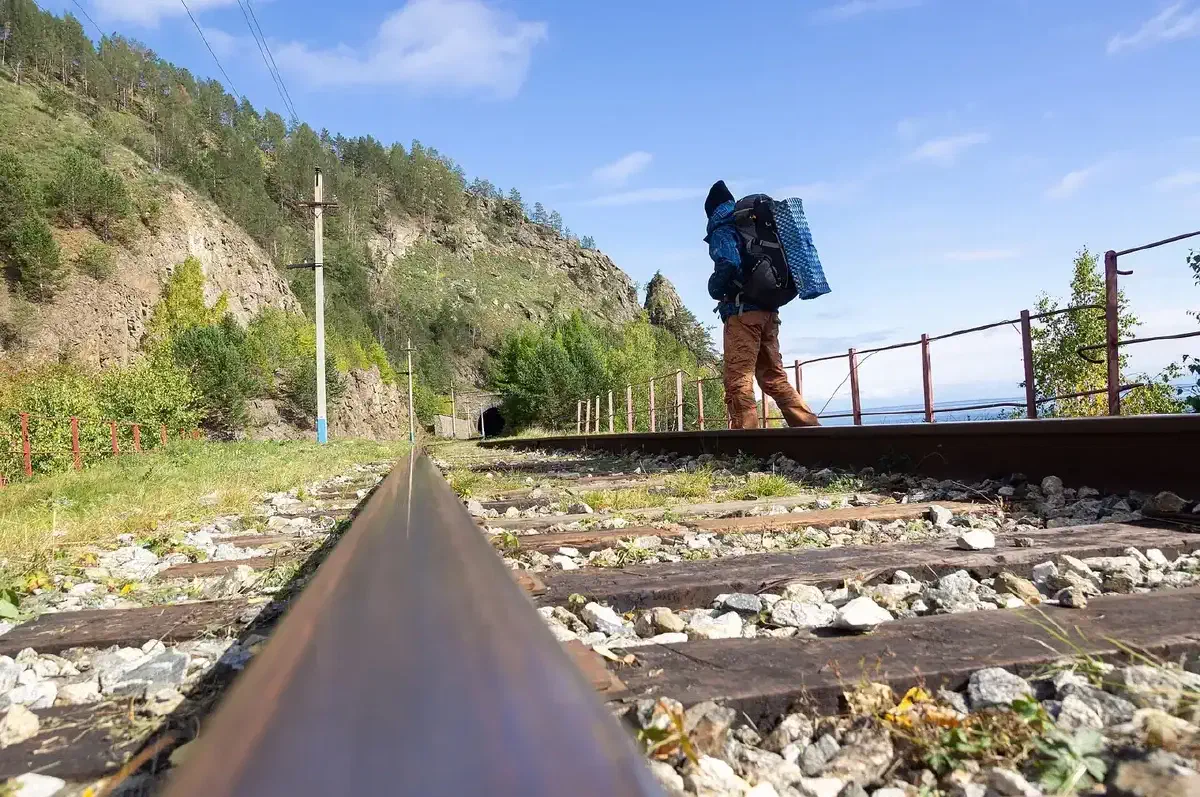
Hiking with a pack. This is the most practical endurance work for a prepper. Walk with a loaded backpack and add weight and distance slowly, so your body adapts to the demands of long-distance travel with gear. Vary the terrain. Uneven ground also improves balance and agility. Carrying the pack you would actually bug out with is the best test of all.
Build strength you can use #
Strength lets you chop wood, carry supplies, move debris and, if it comes to it, defend yourself.
Bodyweight work. Push-ups, pull-ups, squats, lunges and planks need no equipment and can be done anywhere. They engage multiple muscle groups at once and build functional strength and coordination. Start with basic versions and move to harder ones.
Resistance bands. Light, portable and available in several resistance levels, bands let you do rows, curls and squats almost anywhere.
Weights. If you have a gym or home equipment, focus on compound lifts such as deadlifts, squats, bench presses and overhead presses, which work many muscle groups at once. Begin light and add resistance slowly.
Aim to train all major muscle groups at least twice a week. Build in rest days. Recovery is where the strength gains happen, and skipping it is how people get injured.
Flexibility and mobility #
Flexibility is often overlooked, yet being able to move freely without pain helps you get over obstacles, work efficiently and avoid injuries. Stretch the hamstrings, quadriceps, back and shoulders. Yoga and Pilates improve flexibility along with balance and core strength, and foam rolling and mobility drills help too.
Balance, agility and coordination #
Crossing a river on a fallen log or scrambling up a rocky slope depends on balance and quick feet. Practice standing on one leg, walking on uneven surfaces, single-leg stands, yoga poses and wobble-board exercises. Agility ladder drills such as high knees, lateral shuffles and in-and-out hops train footwork and reflexes.
Martial arts and self-defense training build agility, coordination and reflexes while teaching protective skills. Krav Maga, Brazilian jiu-jitsu and Muay Thai are examples. Drills and sparring simulate the pressure of real encounters in a controlled setting.
Fuel the work #
Training without food and water is wasted effort, and in an emergency both may be limited.
Eat a balance of macronutrients. Carbohydrates fuel endurance work, protein repairs muscle and fats support hormonal balance and general health. Fill your plate with lean meats, fish, poultry, eggs, dairy, legumes, fruits, vegetables, nuts, seeds and whole grains. Cut back on processed foods, sugary drinks and heavy alcohol, which sap energy and weaken immunity.
Hydrate. Water supports energy, temperature regulation and muscle function. Drink throughout the day, and replace electrolytes lost to sweat. If clean water might be scarce, store plenty or keep a filtration system or purification tablets in your kit.
Plan meals ahead. Batch cooking and meal prep keep you away from poor choices when you are stressed. A pantry of shelf-stable canned goods, dried fruit and nuts and whole grains supports training and doubles as emergency food.
Train your head #
Mental toughness decides a lot in a survival situation, and like muscle it can be trained.
Stress management. Deep breathing, meditation, mindfulness, visualization and positive self-talk help you stay calm and make clearer decisions under pressure.
Problem-solving. Practice situational awareness, strategic thinking and scenario planning. Visualize different emergencies and build contingency plans so you are not improvising from scratch.
Resilience training. Cold exposure, obstacle courses, survival simulations and outdoor trips push your limits in a controlled way and build confidence.
Skills and gear that support fitness #
Fitness works best alongside practical skills. Take training in CPR and first aid, navigation, fire-building and self-defense, and practice knot tying, shelter building and foraging in a safe setting. A local survival group or a wilderness course puts you with experienced instructors.
Gear matters too. Good hiking boots, a first aid kit, a fire starter, a multi-tool, an emergency shelter and a water filter all extend what your body can do. Test your gear regularly, and choose items that are durable, lightweight and versatile.
A sample week #
Use this as a template and adjust it to your level.
| Day | Activity | Focus |
|---|---|---|
| Monday | Cardio and strength training | Endurance and strength |
| Tuesday | Agility drills and martial arts | Agility and coordination |
| Wednesday | Rest and recovery | Regeneration |
| Thursday | Hike with a weighted backpack | Endurance and stamina |
| Friday | Bodyweight exercises and resistance bands | Strength and muscular endurance |
| Saturday | Mobility, stretching and meal prep | Flexibility and nutrition |
| Sunday | Resilience and mental toughness exercises | Mindset |
For a simple single workout, try a 1-mile run as a warm-up, then three sets of 15 push-ups, three sets of 20 squats and three 1-minute planks. Add a two-hour hike for cardio and 30 minutes of yoga for flexibility.
Make it stick #
Start slowly and raise the intensity gradually. Stay consistent, because small sessions repeated for months beat occasional heroic efforts. Listen to your body, and rest when you need to. Track your progress, retest every few weeks and celebrate the gains. Prepping is a lifestyle, not a fad, and the body you build now is the one you will rely on when the plan meets reality.