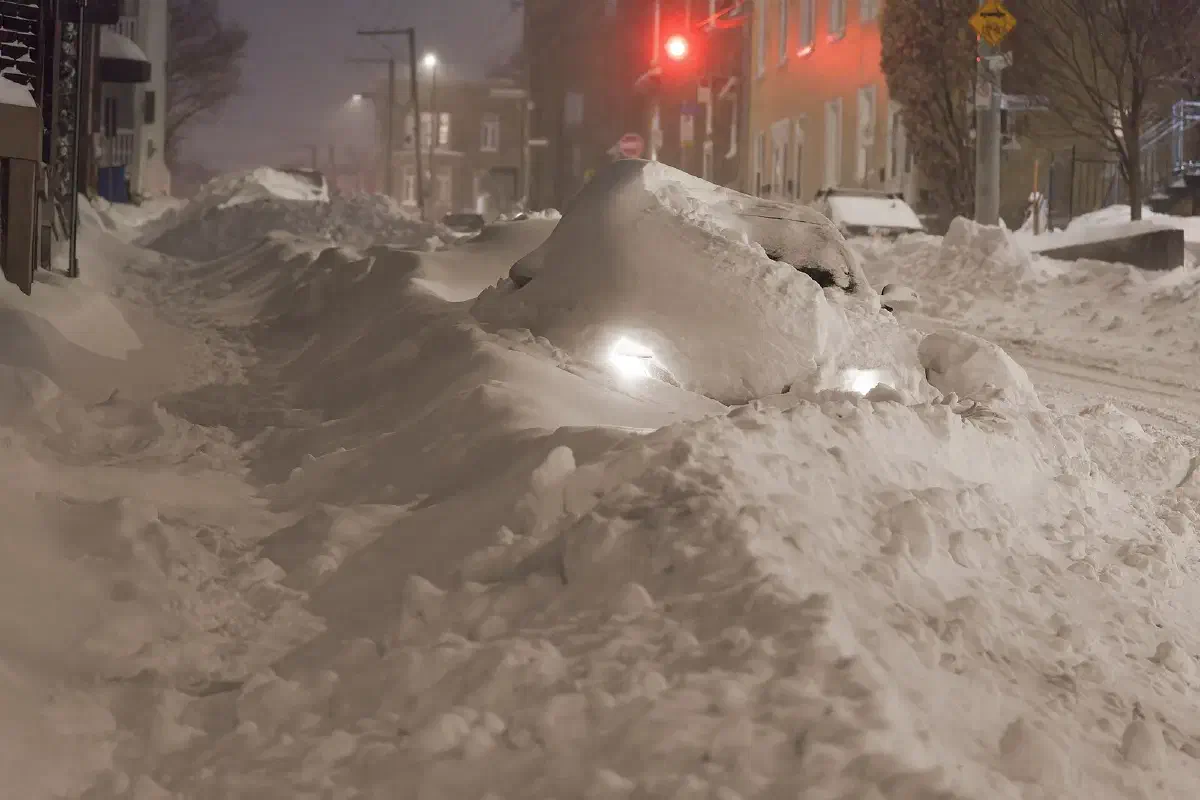
Winter problems arrive in a predictable order. The temperature drops, the heating system gets its first real workout, a storm closes the roads, and then the power goes out. Almost every cold-weather emergency traces back to something that could have been handled in October. This guide goes through the jobs in the order that makes sense: yourself, then the house, the car, the supplies, the yard, and finally the worst-case scenarios.
Dress for it #
Layering is the foundation. Start with a base layer of moisture-wicking fabric to keep your skin dry, add a middle layer such as a sweater or fleece for insulation, and finish with a windproof, waterproof outer layer.
Fabrics matter. Wool, fleece, and down insulate well and trap heat. Avoid cotton, which absorbs moisture and then pulls heat from your body.
Cover the extremities. Insulated gloves or mittens, with glove liners for extra warmth, protect your hands. A hat is among the cheapest and most effective ways to hold heat, because a lot of body heat escapes from an uncovered head. A scarf or neck warmer keeps your neck and chest warm. For your feet, thick moisture-wicking socks of wool or thermal synthetic fiber inside boots with good traction keep you comfortable and upright.
Weatherproof the house #
Heat that escapes is money and safety lost. Walk the house before the first cold snap.
- Check for drafts around windows, doors, and electrical outlets. You can find them by running your hand along the edges and feeling for moving air.
- Seal them. Apply weatherstripping to windows, caulk to doors and other gaps, and use a draft stopper at the bottom of exterior doors.
- Insulate the attic, walls, and floors. Extra attic insulation in particular keeps heat inside, and wrapping exposed pipes with insulation protects them from freezing.
- Cover windows with heavy curtains or thermal blinds at night, and open them during the day to let in sunlight.
- Close interior doors to create zones, so heat stays concentrated in the rooms you use.
- Use a programmable thermostat to set lower temperatures when you are out or asleep and warmer ones when you are home.
Heating system #
Have a professional inspect and clean your furnace, boiler, or heat pump before winter, and replace air filters on schedule. Dirty filters restrict airflow and make the system work harder, which raises energy bills and reduces air quality. Listen for unusual noises, check for leaks, and clean vents and ducts.
Some safety points are not optional:
- Install carbon monoxide detectors near sleeping areas and on every level of the house, and test them regularly. Carbon monoxide is colorless and odorless and can be deadly.
- Keep flammable materials such as curtains, furniture, and clothing away from heaters, fireplaces, and wood stoves.
- Use space heaters carefully. Place them on a flat surface away from anything flammable, never leave them unattended, and turn them off when you leave the room or go to sleep.
- Maintain your fireplace or wood stove. Have the chimney inspected and cleaned annually and burn dry, seasoned wood.
- Put fire extinguishers in the kitchen, the garage, and near heating appliances, and make sure everyone knows how to use them.
- Have a backup heat source, such as a portable electric or propane heater or a working fireplace or wood stove, and use it only as the manufacturer directs. Never use gas-powered appliances for heat indoors.
Winterize the vehicle #
A car that will not start, or a driver who is not prepared for ice, can turn an inconvenience into an emergency.
- Tires. Check tread depth, and replace worn tires. Check the pressure regularly, because cold air lowers it. Install winter tires or carry snow chains where conditions call for them.
- Oil. Cold affects the viscosity of engine oil, so use the weight your owner’s manual recommends for low temperatures.
- Fluids. Keep antifreeze at the proper mixture to protect the engine, and keep the windshield washer fluid topped off.
- Fuel. Keep the tank full.
- Tools. Carry a snow shovel and an ice scraper with a brush. Rock salt or sand helps with traction.
- Emergency kit. Include blankets, extra warm clothing, water, snacks, a flashlight with batteries, a first aid kit, jumper cables, and anything else you would need if stranded for hours.
When you drive on snow or ice, slow down, leave more space, and avoid sudden braking and steering. Watch for ice on bridges, overpasses, and shaded stretches, which freeze first. If the car starts to skid, ease off the accelerator and steer gently in the direction you want to go.
Stock supplies #
Winter storms can keep you at home for days. A reasonable baseline:
- Food: non-perishable, ready-to-eat items such as canned goods, granola bars, nuts, dried fruits, and ready meals, enough for at least a three-day supply per person
- Water: one gallon per person per day, stored in food-grade containers in a cool, dark place
- Medication: a one-week supply per person, with prescriptions refilled before they run out, and a stocked first aid kit
- Light and information: multiple flashlights, assorted batteries, and a battery-powered or hand-crank radio
- Warmth: extra blankets and sleeping bags kept in a central, accessible place
- Fuel: firewood stacked dry and off the ground if you have a fireplace or stove, or a stock of whatever alternative fuel your heating source uses
- Power: a generator or a portable power bank that can charge phones and essential medical equipment
Prepare the yard #
- Plants. Cover tender plants with burlap or frost cloth, or bring them inside.
- Trees. Inspect them for dead or weak branches that could break under the weight of snow or ice, and trim them before winter. Hire an arborist if the work is beyond your comfort.
- Furniture and equipment. Store outdoor items inside or under weatherproof covers, and fasten down whatever stays out.
- Water lines. Shut off and drain outdoor water lines, and insulate faucets and pipes with covers or heat tape.
- Paths. Keep pathways and driveways clear of snow and ice with a good shovel or snow blower, and spread de-icing agents or salt.
- Soil. If you garden, winter is a good time to clear weeds and debris and add compost for spring.
Stay safe outdoors #
Frostbite causes numbness, discoloration, and blistering of the skin. Hypothermia shows up as shivering, confusion, and drowsiness. Learn both sets of signs before you need them, and get out of the cold and warm up at the first symptoms.
For outdoor activities:
- Wear insulated, waterproof outerwear, moisture-wicking layers, and boots with traction.
- Insulate yourself from the ground with a camping mat or thick blanket when you sit or lie down, because the ground draws heat out of you quickly.
- Stay off frozen lakes and ponds unless the location is designated and approved as safe.
- Check the forecast, and change your plans if a storm or sharp temperature drop is coming.
- Tell someone your route and your expected return time.
Look after your health #
Cold weather puts pressure on the body and the mind.
- Eat a balanced diet to support your immune system, and drink water. Cold weather and indoor heating can dehydrate you. Warm soups and herbal teas help.
- Keep exercising, indoors if need be.
- Use moisturizer and lip balm on exposed skin, and wear gloves to protect your hands.
- Aim for seven to nine hours of sleep.
- Watch your mood. Reduced sunlight can bring sadness, fatigue, or seasonal affective disorder, so stay connected with people and seek support if you need it.
- Wash your hands frequently and avoid close contact with sick people.
When the power goes out #
Report the outage to your utility, then settle in.
- Use battery-powered lights and lanterns, and avoid candles where you can.
- Keep refrigerator and freezer doors closed to hold the temperature.
- Use a battery-powered or manual radio for weather and emergency updates.
- Stay warm with layers, blankets, and sleeping bags, and use your backup heat safely.
- Keep your medications somewhere cool and dry, and check expiration dates.
- Keep a list of emergency contacts, including utilities, family members, and neighbors who can help, and agree on a household communication plan.
Snowstorms and extreme events #
When a big storm is forecast, follow alerts and advisories from local authorities and use reliable sources only. Top up food, water, and medications. Secure or bring in objects that could become projectiles in the wind and clear loose debris from the property. Review your household emergency plan, including what happens if you are stranded at home, if you must evacuate, or if the power fails, and assign each family member a role.
The key to winter prepping is timing. Do the work now, while the weather is mild and the stores are stocked, and the winter will be an inconvenience instead of an emergency.
For more on this, see sheltering in place and securing your home against natural disasters, or browse the full crisis and medical hub.