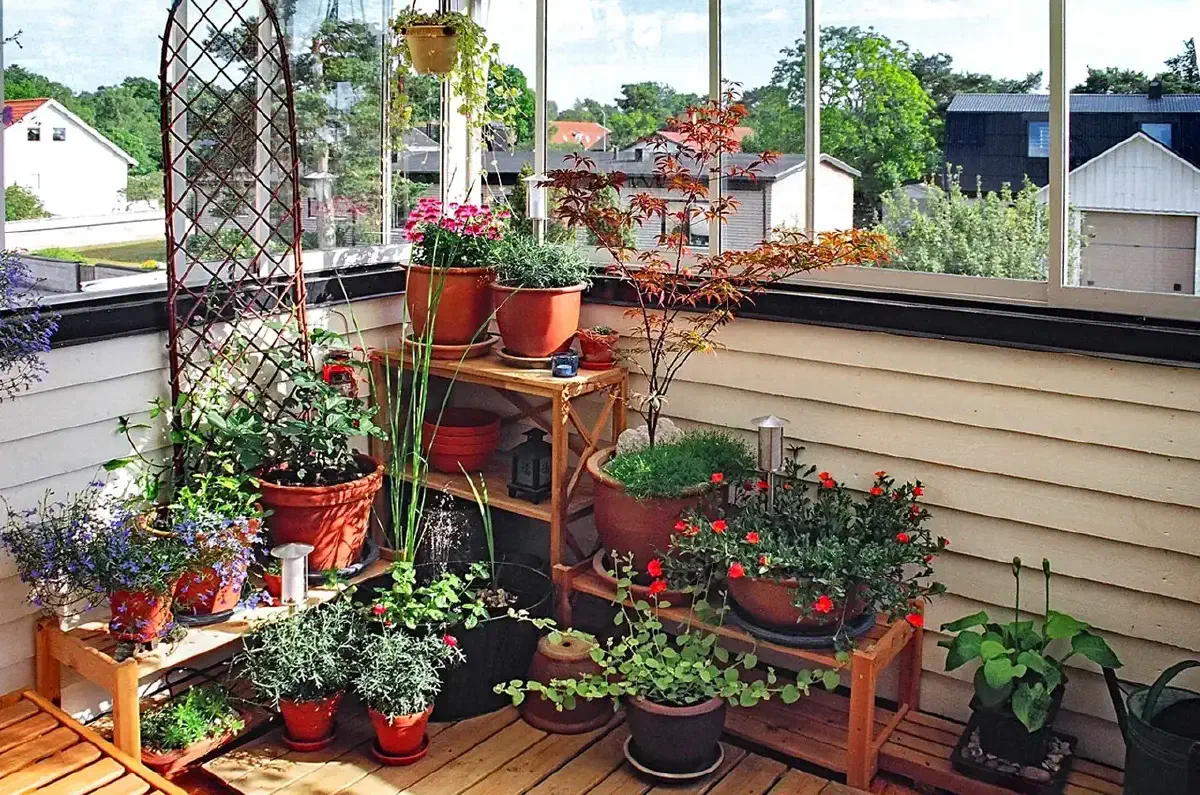
You don’t need a sprawling backyard to grow fresh produce and herbs. With vertical and container gardening and a bit of dedication, you can get real food out of a balcony, a windowsill, or a small city yard. The tips below show how to use your space and move toward self-sufficiency.
Maximizing Your Small Space #
Urban gardening is a reliable way to keep fresh, nutritious produce on hand, even in a small living area. The sections below cover the methods, plants, and resources you need to get started.
Benefits of Urban Gardening for Preppers #
Urban gardening has a multitude of benefits for preppers. Not only does it provide a sustainable source of fresh produce, but it also allows you to become more self-sufficient and reduce your reliance on grocery stores. Additionally, gardening is a great way to relax and connect with nature, helping to reduce stress and improve mental well-being.
Choosing the Right Plants for Your Urban Garden #
When it comes to urban gardening, choosing the right plants is key. Opt for compact varieties that are well-suited to small spaces, such as herbs, leafy greens, and dwarf fruit trees. Consider the amount of sunlight your garden receives each day and select plants that thrive in those conditions. Remember, some plants require more maintenance than others, so choose varieties that fit your schedule and skill level.
A Space-Saving Solution #
Container gardening is a popular choice for urban gardeners, as it allows you to grow plants in a small space. Select containers that are the appropriate size for your plants, ensuring they have enough room to grow. Be sure to use potting soil specifically designed for container gardening, as it provides the necessary nutrients and drainage for healthy plant growth. Remember to water your plants regularly and monitor their progress to ensure they are thriving.
Choosing the Right Containers #
When choosing containers for your urban garden, opt for lightweight materials like plastic or fiberglass, as they are easy to move and rearrange. Avoid using containers made of metal, as they can heat up in direct sunlight and damage your plants’ roots. Ensure that your containers have drainage holes to prevent waterlogged soil, which can lead to root rot. Consider using hanging baskets, window boxes, or vertical planters to make the most of your available space.
Ideal Plants for Container Gardening #
Some plants are better suited to container gardening than others. Herbs like basil, rosemary, and mint thrive in pots and can be used in a variety of dishes. Leafy greens such as lettuce, spinach, and kale are also well-suited to containers and can be harvested multiple times throughout the growing season. Consider growing dwarf varieties of fruit trees, such as citrus or figs, in larger containers for a bountiful harvest.
Maximizing Limited Space #
Vertical gardening is another space-saving solution for urban preppers. By utilizing walls, trellises, and other vertical structures, you can grow a variety of plants in a small area. Consider installing a vertical garden wall or creating a trellis system to support climbing plants like tomatoes, cucumbers, and beans. Vertical gardening not only maximizes your growing space but also adds visual interest to your urban garden.
Creative Vertical Gardening Ideas #

Get creative with your vertical garden by repurposing everyday items like pallets, ladders, or PVC pipes. Consider using hanging shoe organizers to grow herbs or succulents, or repurpose an old bookshelf into a multi-tiered garden. Vertical gardens can also be used to grow flowers, creating a vibrant and colorful display in your urban space. Remember to provide support for climbing plants to ensure they grow upwards and thrive.
Maintenance Tips for Vertical Gardens #
Vertical gardens require regular maintenance to ensure healthy plant growth. Monitor your plants for signs of pests or diseases and address any issues promptly. Water your vertical garden regularly, paying attention to the moisture needs of each plant. Consider using a drip irrigation system to efficiently water your vertical garden, especially in hot weather. Prune your plants as needed to promote growth and prevent overcrowding.
Maximizing Yields and Deterring Pests #
Companion planting is a gardening technique that involves growing certain plants together to benefit one another. By planting compatible crops in close proximity, you can maximize yields and deter pests naturally. Consider planting marigolds alongside tomatoes to repel nematodes, or growing basil near peppers to enhance flavor. Companion planting is a great way to improve the health and productivity of your urban garden without the need for chemical pesticides.
Common Companion Planting Combinations #
Some plant combinations work particularly well together in the garden. Planting carrots near onions can deter carrot flies and onion maggots, while growing beans near corn can improve soil fertility and support growth. Consider planting mint near cabbage to repel cabbage moths, or interplanting radishes with lettuce to deter aphids. By strategically planning your garden layout and using companion planting techniques, you can create a thriving and pest-resistant urban garden.
Sustainable Practices for Urban Gardening #
Sustainability is key when it comes to urban gardening for preppers. By implementing eco-friendly practices, you can reduce your environmental impact and promote the health of your garden. Consider composting kitchen scraps and garden waste to create nutrient-rich soil for your plants. Use organic fertilizers and pesticides to promote plant growth without harmful chemicals. Collect rainwater to irrigate your garden and reduce water consumption. These sustainable practices not only benefit the environment but also contribute to the success of your urban garden.
Benefits of Composting #
Composting is a natural way to recycle organic matter and create nutrient-rich soil for your plants. By composting kitchen scraps, yard waste, and other biodegradable materials, you can reduce waste sent to landfills and improve soil health. Compost adds essential nutrients to the soil, improves soil structure, and promotes beneficial microbial activity. Consider starting a compost bin in your urban garden to create a sustainable and productive growing environment.
Using Organic Fertilizers and Pest Control #
Organic fertilizers and pest control methods are safe and effective ways to promote plant growth and protect your garden. Consider using compost, manure, or organic fertilizers to provide essential nutrients to your plants without the use of synthetic chemicals. Neem oil, diatomaceous earth, and insecticidal soaps are natural pest control options that target insects without harming beneficial pollinators. By using organic fertilizers and pest control methods, you can maintain a healthy and thriving urban garden while minimizing harm to the environment.
Conclusion #
Urban gardening is a rewarding and practical way for preppers to ensure a sustainable source of fresh produce in a small space. By choosing the right plants, utilizing container and vertical gardening techniques, and implementing sustainable practices, you can create a thriving urban garden that meets your self-sufficiency needs. Whether you are a seasoned gardener or new to the world of urban gardening, with the right knowledge and resources, you can successfully grow your own food and be prepared for any situation. Start your urban gardening journey today and enjoy the benefits of a bountiful harvest right at your fingertips.
Related reading: Food and water; The Role Of Microgreens In Urban Survival Strategies; How To Build an Invisible Survival Garden; The Use Of Vertical Farming Techniques In Prepping