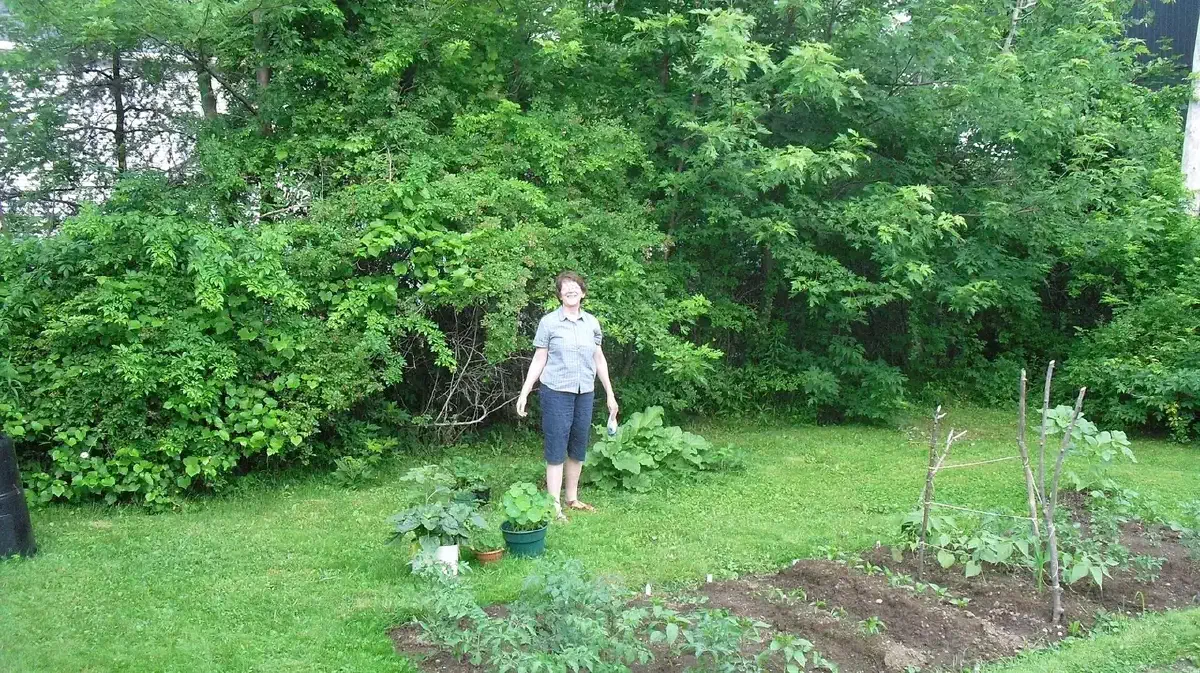
A garden that feeds you is only useful if the food is still there when you walk out to pick it. In a long emergency, a row of ripe tomatoes visible from the road is an invitation. An invisible survival garden solves that problem by hiding productive plants inside a landscape that looks ordinary, or by growing them where nobody thinks to look. It is not a secret bunker. It is a normal-looking yard, balcony or lot that happens to produce a lot of food.
This guide covers the whole job: picking a site, choosing plants that hide well, screening the perimeter, disguising containers, keeping the thing alive, and planning so it keeps producing season after season.
Start with the site #
Concealment comes second. A hidden garden that doesn’t grow anything is just a patch of weeds, so pick the location on growing merits first and then work on hiding it.
Sunlight. Look for a spot that gets at least six hours of direct sun a day. Watch it across a full day before you commit, because a bed that is sunny at noon can be in the neighbor’s shadow all morning.
Soil. Test it for pH and nutrient content. The best soil is rich in organic matter and drains well. If it is thin, add compost or other organic amendments rather than reaching for bagged chemical fertilizer. Where the ground is hopeless, skip it altogether and use raised beds or containers (more on those below).
Water. Plants that can’t be watered die, and a long walk with buckets is also a sign of where the garden is. Ideally the site sits near a river, pond or well. If it doesn’t, set up a rainwater collection system so you can store water for irrigation. A drip line or self-watering planters also cut the number of visible trips you make.
Layout. Sketch the space before you plant anything. Note what you have, what you want to eat, and how much light each corner gets. Make sure you can reach every bed for maintenance without trampling a path that gives the game away.
Choose plants that hide well #
Native plants are the backbone of a low-profile garden. They are adapted to your climate and soil, they resist local pests and disease better than imports, and they need less maintenance, which means fewer hours standing out in the open. Research what grows wild near you and which of those species are edible or useful.
Favor plants with more than one job. A plant that gives you food and also serves as medicine, fiber or pest control earns its space many times over. Where care is concerned, lean toward drought-tolerant varieties and ones that resist the common pests and diseases of your area. The less your garden demands, the more of your time is free for other survival tasks.
What to grow where #
The easiest way to hide a food crop is to grow it in a form nobody associates with a vegetable patch.
- Fruit. Strawberries, blueberries and raspberries work well. Strawberries do well in hanging baskets or vertical planters. Blueberries and raspberries can be trained along a fence or trellis, where they pass for a hedge. Choose compact varieties and fold them into the landscape you already have.
- Vegetables. Tomatoes, peppers and lettuce can go into containers, raised beds, or between ornamentals. A pepper plant in a flower bed is just another leafy shrub from the street.
- Herbs. Basil, rosemary and mint grow in small pots, hanging planters, or tucked into flower beds. Herbs are the easiest crop to hide because nobody expects them to be a food source.
Build natural barriers #
Screening keeps the garden from view without the unnatural look of a solid fence. Dense hedges or shrubs along the perimeter are the classic answer. Pick fast-growing varieties with thick foliage, so the screen is not easy to see through.
Tall grasses and reeds also make a good screen, and you can place them to break up sight lines. Trellises do double duty. They let you grow vertically and, once covered in vines, they add cover for the plants behind them.
The goal is a garden that blends into its surroundings. If someone looking at your yard sees a hedge, some flowers and a few pots, you have succeeded.
Plant in ways that confuse the eye #
How you arrange plants matters as much as which ones you pick.
Mix edible and non-edible plants. Interspersing food crops with ornamentals adds layers of camouflage and disguises what the garden is for. Someone looking for a vegetable patch looks for rows. They won’t find rows.
Use companion planting. Some plants repel pests, and others attract the beneficial insects that eat them. Planting the two together builds a natural pest control system without chemicals. Marigolds near tomatoes and basil near peppers are common pairings.
Go vertical. Growing up trellises, stakes and walls raises your yield per square foot, which matters in a small or hidden area. It also moves the food off the ground, where it is less visible from a distance.
Hide the containers, too #
Containers are the best tool for an urban or small-space invisible garden. Disguised self-watering planters or decorative pots blend into balconies, patios and rooftops without any effort. Window boxes and hanging baskets fit in inconspicuous places and still produce a surprising amount of herbs and greens.
If you want to get more creative, there are two directions.
Disguised planters reuse ordinary objects. Old boots, buckets and wheelbarrows all work as planters for herbs, vegetables or small fruit, and they look like yard clutter rather than a food source.
Integrated planters are built into existing structures: fences, walls or outdoor furniture. A bench with a planting box or a fence with pockets cut into it looks like a design feature and hides what is growing in it.
Indoors, hydroponics and aquaponics allow year-round growing in a small footprint without any soil. That is the most hidden option of all, because the garden is inside your house.
Keep it healthy #
An invisible garden still needs tending, and neglect leads to failure faster than discovery does.
Watering and feeding. Water regularly, especially in dry stretches. Watch soil moisture and change your schedule to match. Drip irrigation or self-watering planters make this more efficient. Use organic fertilizer, compost or plant food through the growing season to replace what the plants take out of the soil.
Mulch. A layer around the base of each plant holds moisture, suppresses weeds and moderates soil temperature. It cuts the frequency of watering, which means fewer visits.
Pruning. Remove dead, damaged or diseased growth. That improves air circulation, lets in more light, and stops disease from spreading. Pruning also keeps plants inside the footprint you’ve planned for them, which matters when the whole idea is to stay low-profile.
Protect it from pests and predators #
Larger animals can strip a garden overnight. Fencing or netting stops them, but only if it is tight to the ground and free of gaps. Where a fence would look suspicious, use plant barriers instead.
For insects, natural methods are the better choice in a survival setting, since you may not have access to commercial sprays later. Companion planting is the first line. Trap crops are the second: you plant something pests prefer and let them have it, sacrificing a small part of the harvest to protect the rest.
Scare tactics help against birds and small animals. Shiny objects such as strips of aluminum foil or old CDs throw off reflections that put animals off. Wind chimes or motion-activated sound devices can startle pests too, though think about whether noise is something you want near a garden you are trying to keep quiet.
Harvest at the right time and preserve the surplus #
Harvest timing affects both yield and quality. Picking too early or too late costs you. Learn the harvest window for each crop and watch for the visual cues and taste that signal ripeness.
When picking, be careful with the plant. Use sharp scissors or shears for herbs, twist fruit and vegetables gently off the vine, and handle delicate produce lightly. Harvesting cleanly keeps the plant producing.
Then preserve what you can’t eat fresh. Canning, drying and fermenting all stretch the shelf life of fruit and vegetables well past the season. Practice them now, before you rely on them. A garden that produces more than you can eat in a week is only an asset if you know how to store the rest.
Plan for the long term #
Survival gardening is a multi-year project. Three habits keep it going.
Save seeds. Seed from your own crops lets you replant next season without depending on outside sources. Store it somewhere cool and dry so it stays viable. Open-pollinated and heirloom varieties are the ones that breed true from saved seed.
Compost. Kitchen scraps and garden waste turn into fertility. A pile or a bin in the garden recycles organic matter, improves the soil and reduces your reliance on synthetic fertilizer.
Build a diverse ecosystem. Plant a variety of species that attract beneficial insects and birds. These natural predators handle pest control for you. A balanced garden is more self-sufficient and needs fewer external inputs.
Share what you know, carefully #
An invisible garden is by definition not something you advertise, so sharing is a judgment call. Even so, the wider self-sufficiency community has a lot to offer. Local gardening groups run workshops, garden tours and seed exchanges, and seed swaps both diversify what you can grow and help preserve heirloom varieties. You can take part in those without revealing the details of your own plot.
Surplus produce can go to neighbors, which cuts waste and builds goodwill you may need later. Teaching others the general principles, such as composting, seed saving and container growing, spreads the skills without pointing at your yard.
Bottom line #
An invisible survival garden works because every part of it pulls in the same direction. The site is chosen for growing, the plants are chosen for usefulness and low maintenance, the screening and containers hide the result, and the care routine keeps it productive without calling attention to it. Start with a few containers and a hedge, learn what thrives in your conditions, and expand from there.
Related reading: Food and water; Designing A Prepper’s Greenhouse: Sustainable Food Production Year-Round; How To Grow Food in a Small Space, Year-Round; How to store seeds for long-term use