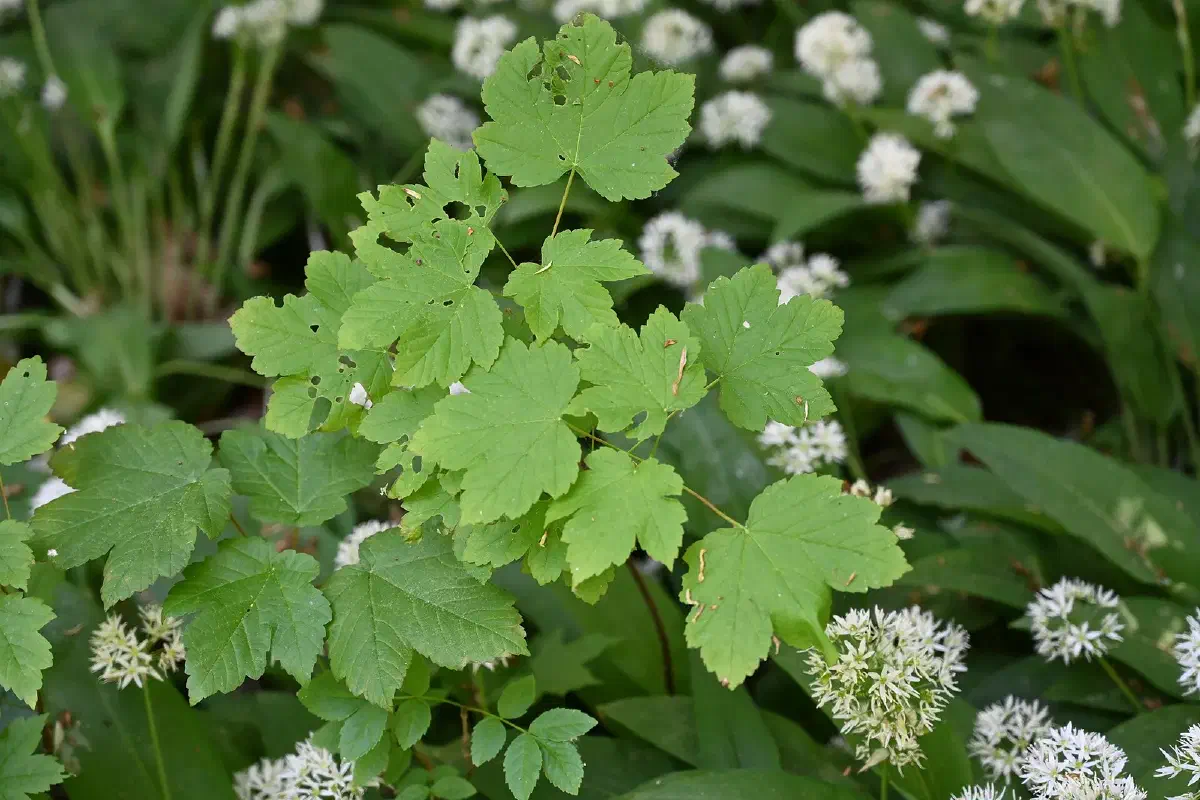
In a survival situation, knowing which wild plants you can eat can be the difference between hunger and nourishment. Outside of an emergency, it is also a way to cut your food bill, eat locally, and understand the landscape you live in. The skill has one hard rule: you do not eat anything you cannot identify with certainty. Everything else in this guide is a way of meeting that rule.
Why learn it at all #
Food security. Without access to conventional food, a forager who knows the local plants has a chance of finding sustenance where others have none.
Local resources. Native plants evolved for the soil and climate where they grow. Learning to use them means you rely less on imported or cultivated food.
Indigenous knowledge. Many cultures have long histories of using native plants for food. Learning those plants connects you to that tradition and gives you access to a more varied diet.
What you can find #
Wild edibles fall into four broad groups.
Plants. Leafy greens such as dandelion, lambsquarters and chickweed go into salads or cook as a side dish. Wild garlic, nettles and wild asparagus add distinctive flavors.
Mushrooms. Morels are a prized delicacy with a rich, earthy flavor. Chanterelles, porcini and oyster mushrooms are other edible species. Mushrooms demand more knowledge and caution than any other group, because poisonous species are easily mistaken for edible ones.
Berries. Blackberries, raspberries, blueberries and strawberries grow wild and supply vitamins, antioxidants and fiber.
Nuts. Acorns can be roasted and ground into a flour substitute. Hazelnuts, walnuts and chestnuts are other options. Nuts provide healthy fats and protein.
How to identify edible plants #
Learn plant families #
Plants in the same family often share traits, so studying the identifying features of the major families lets you narrow down candidates quickly based on visual attributes.
Know which part is edible #
Some plants have edible leaves, others edible flowers, fruit, stems or roots, and often only one part is safe. Knowing exactly which part is edible is essential, and the distinguishing features of that part help prevent misidentification.
Examine the plant #
Work through the features systematically.
- Leaves. Note shape, color, texture and arrangement. Some edible leaves have serrated edges or fine hairs.
- Flowers and fruit. Look at size, color and arrangement. Check the structure of the fruit: berry, seed pod or drupe.
- Roots and growth habit. Taproots versus fibrous roots, and whether the plant grows tall and erect or low and spreading, can narrow your options further.
Watch for poisonous look-alikes #
Some plants closely resemble edible species and are toxic or lethal. Pay attention to color, shape, texture and scent when telling the two apart. For every plant you hope to eat, learn its dangerous lookalikes as well as you know the plant itself. Take the time to study the poisonous plants in your region.
Know your environment #
Familiarity with the local ecosystem makes everything easier. Learn what grows in the area, understand any hazards or restrictions, and research the local flora so you know which species you are likely to meet.
Document what you see #
Observe plants carefully, noting physical characteristics, growth patterns and distinguishing features. Sketches, photographs and written notes build a reference you can use later. Your observation will sharpen with practice.
Use field guides and apps #
A reliable field guide specific to your region is invaluable. Choose one with high-quality photographs or illustrations. Plant identification apps can add to your confidence, but they are a supplement and never a substitute for careful observation.
Mushrooms and berries need their own care #
Mushrooms are among the trickiest wild edibles to identify. Invest the time to learn the distinguishing features of each species. Consider joining a local mycological society or attending workshops, and always have an expert check your identification before you eat what you have found.
Berries give some clues. Edible berries typically have a vibrant color and a recognizable shape and grow on non-prickly bushes or vines. Still, learn the specific characteristics of each edible berry rather than relying on general rules.
Nuts call for attention to shape, size and texture, and to preparation. Some nuts need processing to remove toxins or tannins before they are safe to eat. Acorns are the standard example. They are gathered in the fall and prepared by roasting, grinding or leaching to remove tannins, which produces a nutritious flour for baking or thickening.
Testing for edibility #
These tests apply when you are uncertain about a plant. They are a last resort and carry risk, so treat them as a way to reduce risk, not remove it.
Skin test. Rub a small piece of the plant, such as a leaf or stem, against your skin and wait at least 15 minutes. If you get itching, redness or a rash, do not eat that plant.
Sensory test. Touch and smell different parts of the plant. Edible plants typically have a pleasant scent without a strong or off-putting odor. Next, take a tiny nibble and hold it in your mouth for a few moments without swallowing. If it tastes excessively bitter, burns, or causes any adverse reaction, avoid it.
Universal edibility test. This is a multi-step procedure for situations where you need a more comprehensive check. It involves observing for immediate reactions, preparing the plant in different ways, and consuming it in small increments over a period of time. Follow the instructions carefully, because shortcuts defeat the purpose.
Safety precautions #
- Research first. Know which plants and mushrooms are edible, what the risks are, and what local regulations apply.
- Avoid poisonous plants. This is the most important precaution of all.
- Use tools properly. A good knife or multi-tool is handy for cutting plants or mushrooms, but handle it with care.
- Dress for it. Foraging often means moving through dense vegetation, insects and thorns. Long sleeves, pants and sturdy footwear help. Gloves protect your hands, and a first-aid kit covers minor injuries.
- Forage with a group. More eyes make for more accurate identification and extra safety.
Gear #
You do not need much.
- Region-specific field guides and reference books.
- A GPS or compass, to mark where you found things and to avoid getting lost in unfamiliar terrain.
- A knife or multi-tool with a sharp blade and a comfortable handle.
- A basket or bag that is sturdy and breathable. Avoid plastic bags, which make plants and mushrooms sweat and deteriorate.
- A water bottle and snacks. Foraging is physically demanding. Nuts or dried fruit make a good fit.
Foraging etiquette and best practices #
Observe before picking. Make sure you’ve identified the species correctly and that it is in good condition. Skip anything diseased or decaying.
Leave no trace. Avoid unnecessary damage, take only what you need, and be mindful of fragile habitats.
Forage sustainably. Don’t overharvest or take too much from a single patch. Use selective harvesting so the population can replenish.
Mind the season. Different wild edibles peak at different times. Learn the best time to find each one, and check for any seasonal restrictions.
Follow the law. Some areas require permits or licenses for certain species, and some prohibit harvesting altogether. Check with local authorities. Don’t harvest endangered or protected species.
Respect property and wildlife. Get permission before foraging on private land. Avoid disturbing wildlife and their habitats.
Share knowledge. Local foraging groups, online forums and workshops are good places to exchange information.
A few wild edibles to start with #
Dandelions. Leaves, flowers and roots are all edible. Young leaves go in salads or cook as a green. Flowers can become jelly or tea, or be infused into honey. Roots can be dried or roasted and ground as a coffee substitute. Dandelions are abundant and highly nutritious.
Stinging nettles. Cooked or steamed, nettle leaves work in soups, pesto or as a spinach substitute. Wear gloves when picking to avoid the sting from their tiny hairs.
Morel mushrooms. Morels have a honeycomb-like cap and a rich, earthy flavor, and they are mostly found in temperate forests in spring. Sauté or stuff them, or use them in pasta sauces and risottos.
Blackberries. Found in hedgerows, forests and along trails, blackberries can be eaten fresh, added to desserts, or turned into jam.
Acorns. Gather in fall and process to remove tannins before eating.
In the kitchen #
Wild plants, mushrooms, berries and nuts suit salads, stir-fries, soups and sauces. For a bigger harvest, preserve it by drying, freezing, pickling or canning. Wild edibles can be nutritious: dandelion greens are rich in vitamins A, C and K, and blackberries are high in vitamin C and fiber.
If something goes wrong #
Misidentification can cause nausea, vomiting, diarrhea, organ failure or death. Symptoms vary by species and can include digestive problems, neurological effects, respiratory distress or skin reactions. Even an edible species can cause problems in large quantities or for people with specific allergies.
If you suspect poisoning, seek help right away. Contact your local poison control center, a medical professional or emergency services. Be ready to describe the species, the symptoms and the location of the foraging. When you are not sure about a plant, do not eat it.
Related reading: Food and water; Urban foraging: how to find and harvest food in the city safely; The Prepper’s Guide To Non-Typical Edible Plants; Surviving Off The Land: Advanced Foraging And Hunting Techniques