Closed-loop systems cut waste, save resources, and make you less dependent on outside supplies when things go wrong. Here’s how to create and maintain them as part of your prepping plan.
Why Closed-Loop Systems Are Essential for Preppers #
Closed-loop systems are a crucial component of sustainable prepping because they allow you to recycle and reuse resources continuously. By closing the loop on waste and consumption, you can lessen your environmental impact and increase your resilience in times of need. Let’s delve into the reasons why closed-loop systems are essential for preppers like you.
Benefits of Closed-Loop Systems #
Implementing closed-loop systems in your prepping strategy offers a wide range of benefits. These systems help you minimize waste, reduce your reliance on external resources, and save money in the long run. By recycling and reusing materials within a closed loop, you can create a more sustainable and self-sufficient lifestyle for yourself and your family.
How to Implement Closed-Loop Systems in Your Prepping #
Now that you understand the importance of closed-loop systems, it’s time to learn how to incorporate them into your prepping efforts. From water and food to energy and waste management, there are various ways you can create closed-loop systems that enhance your sustainability. Let’s discuss some practical strategies you can use to implement closed-loop systems in your prepping journey.
Water Management #
Water is a critical resource for survival, and implementing a closed-loop system for water management is essential for preppers. You can start by collecting rainwater for various household needs, such as watering plants, flushing toilets, and washing dishes. Installing a simple rainwater harvesting system with barrels or tanks can help you reduce your water consumption and reliance on municipal sources.
Food Production #
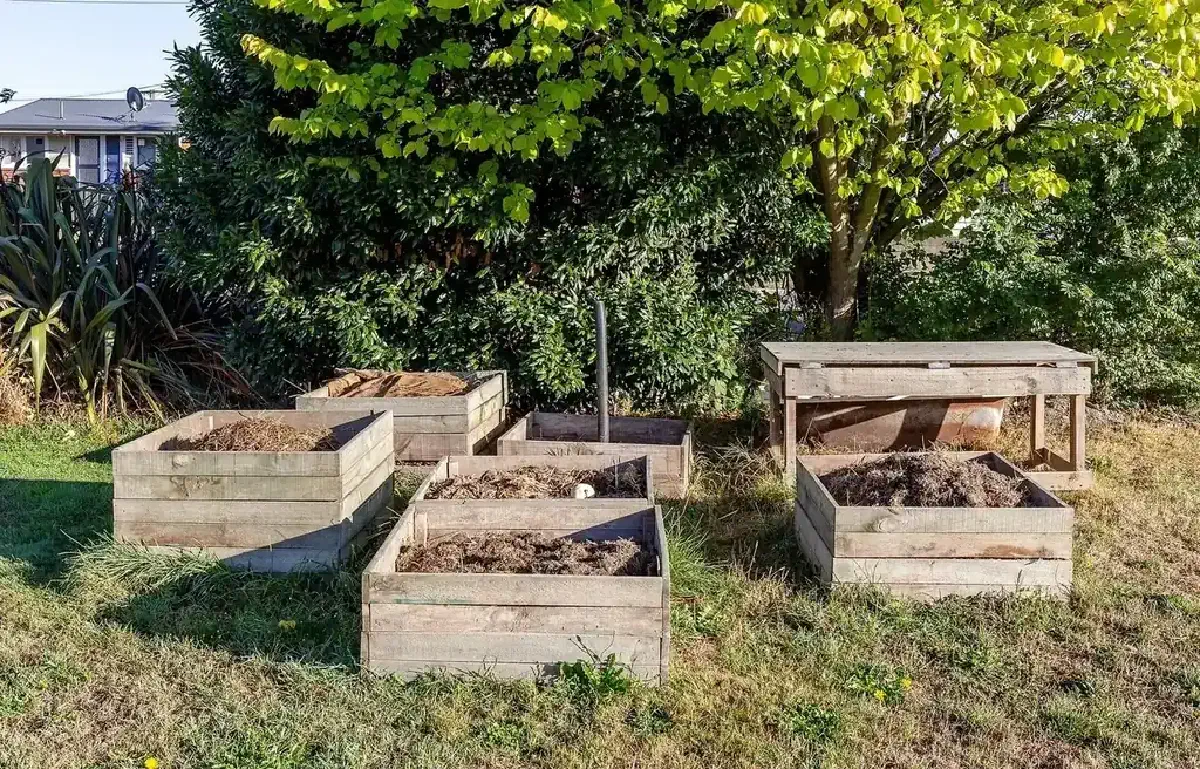
Growing your food is a key aspect of sustainable prepping, and closed-loop systems can play a significant role in enhancing your food production efforts. Consider starting a compost system to recycle organic waste and create nutrient-rich soil for your garden. By composting kitchen scraps and yard debris, you can minimize waste while improving the quality of your soil for growing fruits, vegetables, and herbs.
Energy Generation #
Generating your energy is another crucial element of self-sufficient prepping, and implementing closed-loop systems for energy production can help you reduce your carbon footprint and save on utility bills. Consider installing solar panels on your property to harness the power of the sun and generate clean, renewable energy for your household. With a grid-tied or off-grid solar power system, you can reduce your reliance on the electric grid and increase your energy independence.
Waste Reduction #
Reducing waste is a key principle of sustainable prepping, and closed-loop systems can help you minimize your environmental impact by recycling and reusing materials. Start by evaluating your waste stream and identifying opportunities to reduce, reuse, and recycle items. For example, you can limit single-use plastics, repurpose old containers for storage, and recycle paper, glass, and metal products to create a more sustainable waste management system.
Maintaining Closed-Loop Systems for Long-Term Sustainability #
After implementing closed-loop systems in your prepping strategy, it’s essential to maintain these systems to ensure long-term sustainability. Regular maintenance, monitoring, and adjustments are key to keeping your closed-loop systems running smoothly and efficiently. Let’s explore some tips for maintaining closed-loop systems and maximizing their effectiveness in your prepping efforts.
Regular Inspections #
Perform regular inspections of your closed-loop systems to check for leaks, clogs, or other issues that may affect their performance. Inspecting water collection systems, energy generation equipment, and waste management processes can help you identify potential problems early and address them before they escalate. By staying proactive and attentive, you can prevent minor issues from turning into major headaches down the line.
Monitoring Performance #
Monitor the performance of your closed-loop systems to ensure they are operating optimally and meeting your sustainability goals. Keep track of water usage, energy production, and waste generation to identify any trends or fluctuations that may require adjustment. By monitoring key metrics and analyzing data, you can make informed decisions about how to improve the efficiency and effectiveness of your closed-loop systems over time.
Making Adjustments #
Be prepared to make adjustments to your closed-loop systems as needed to optimize their performance and address changing needs. Whether it’s fine-tuning your composting process, upgrading your solar panels, or reorganizing your recycling methods, be willing to adapt and evolve your systems to meet evolving circumstances. Flexibility and creativity are vital when it comes to maintaining closed-loop systems for long-term sustainability.
Conclusion #
In conclusion, implementing closed-loop systems is essential for preppers looking to achieve sustainability and self-sufficiency in their preparations. By recycling, reusing, and reducing waste, you can create a more sustainable lifestyle that minimizes your environmental impact and increases your resilience in times of need. Use the strategies and tips outlined in this guide to create and maintain closed-loop systems that support your prepping efforts and contribute to a more sustainable future for you and your community. Remember, the key to successful prepping is not just preparing for the worst but also living responsibly and sustainably every day.
Related reading: Food and water; How To Create A Sustainable Food System At Home; The Importance Of Soil Health In Sustainable Gardening; How To Add Nitrogen To Soil