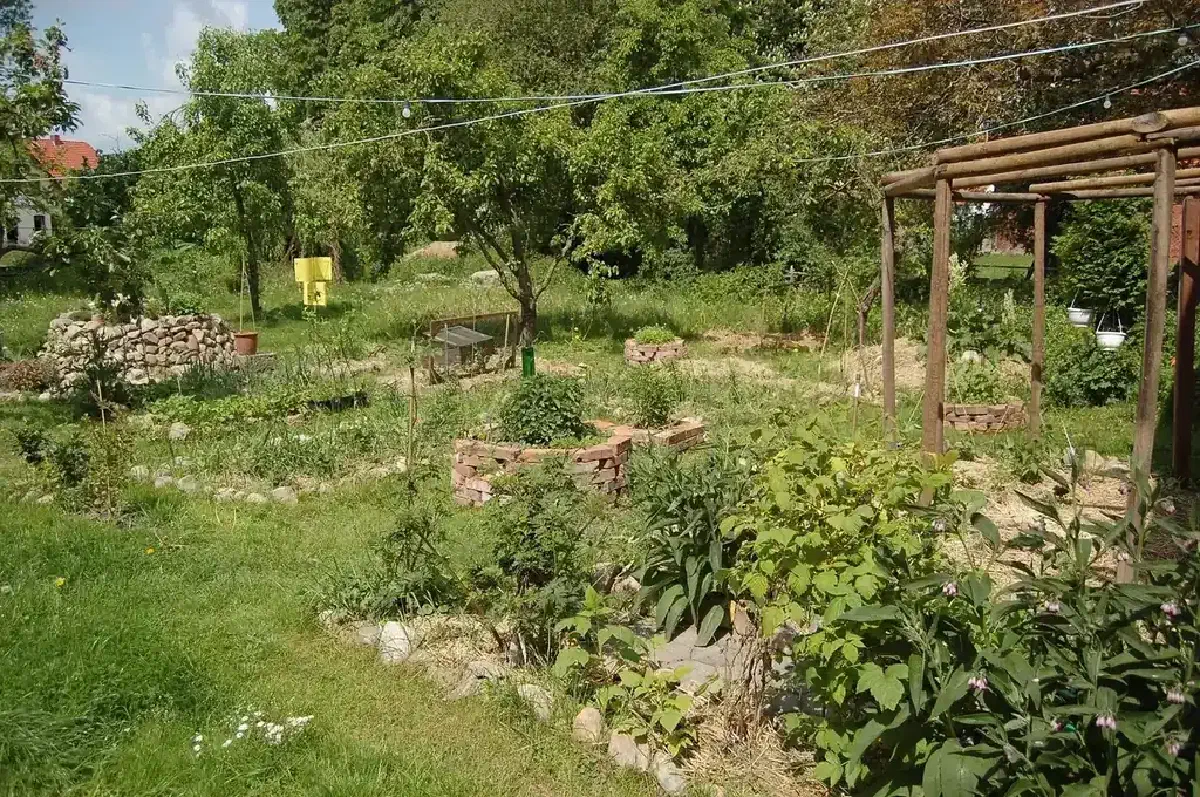
Permaculture is a way of designing systems that mimic the patterns and relationships found in nature. For preppers, it offers a route to resilient food systems, conserved resources, and self-sufficiency that works with the environment instead of against it. This article covers the basics and how to apply them to your emergency preparations.
Self-sufficiency in an emergency takes systems that keep producing without constant outside input. Permaculture is one way to build that independence.
Embrace Permaculture as a Prepper #
If you’re looking for ways to be more self-reliant and sustainable, permaculture fits well with prepping. Here are the basics and how to apply its principles to your preparations.
What is Permaculture? #
If you’re new to the concept, permaculture is a design system that mimics natural ecosystems to create sustainable and regenerative systems for food production, housing, energy, and more. It emphasizes working with nature instead of against it, focusing on principles like observation, diversity, and synergy.
Why Should Preppers Embrace Permaculture? By integrating permaculture into your prepping strategy, you can create resilient and productive systems that provide for your needs without depleting resources. This approach not only helps you prepare for emergencies but also contributes to long-term sustainability and self-sufficiency.
Principles of Permaculture #
1. Observing and Interacting #
Start by observing the natural patterns and processes in your environment. Take note of the sun, wind, water, and wildlife to understand how they interact with each other. By observing and interacting with your surroundings, you can design systems that work harmoniously with nature.
2. Catch and Store Energy #
Harnessing energy is essential for sustainable living. By utilizing resources like sunlight, water, wind, and biomass, you can reduce your reliance on external sources of energy. Consider installing solar panels, rainwater harvesting systems, and compost bins to catch and store energy on your property.
3. Obtain a Yield #
In permaculture, the goal is to create systems that not only benefit the environment but also provide tangible benefits for humans. Whether it’s growing food, producing energy, or improving soil quality, aim to obtain a yield from your efforts to make your prepping journey more rewarding and sustainable.
Applying Permaculture Principles in Prepping #
1. Food Production #
One of the cornerstones of any prepping strategy is having a reliable food source. By integrating permaculture principles into your gardening practices, you can create a productive and resilient food production system. Consider planting a diverse range of crops, practicing crop rotation, and using companion planting to maximize yields while minimizing pests and diseases.

2. Water Management #
Water is a precious resource, especially in times of crisis. Implement water-saving techniques like mulching, swales, and rainwater harvesting to ensure that you have an ample supply of water for your garden and household needs. By managing water efficiently, you can reduce your reliance on external sources and create a more self-sufficient water system.
3. Energy Independence #
Creating an energy-independent homestead is a key aspect of prepping. By incorporating renewable energy sources like solar panels, wind turbines, and biomass boilers, you can generate your own electricity and heat while reducing your carbon footprint. Invest in energy-efficient appliances and insulation to further lower your energy consumption and increase your resilience in emergencies.
4. Building Resilient Structures #
When designing or renovating your home, consider permaculture principles to enhance its resilience and sustainability. Use natural, locally-sourced materials like straw bales, rammed earth, or reclaimed wood to minimize environmental impact and create a healthy living environment. Incorporate passive solar design, proper insulation, and natural ventilation to improve energy efficiency and comfort in your home.
5. Soil Health #
Healthy soil is the foundation of a successful garden. Apply permaculture techniques like composting, mulching, and cover cropping to improve soil fertility, structure, and moisture retention. Avoid chemical fertilizers and pesticides, as they can harm beneficial organisms and pollute the environment. By nurturing your soil, you can increase crop yields, reduce water usage, and create a thriving ecosystem in your garden.
Tools and Resources for Permaculture Prepping #
1. Permaculture Design Course #
If you’re serious about integrating permaculture into your prepping lifestyle, consider taking a Permaculture Design Course (PDC). These courses provide in-depth training on permaculture principles, practices, and design techniques, equipping you with the knowledge and skills to create sustainable and productive systems.
2. Permaculture Books and Websites #
There are plenty of resources available to help you deepen your understanding of permaculture and apply its principles to your prepping journey. Check out books like “Gaia’s Garden” by Toby Hemenway and websites like the Permaculture Research Institute for valuable information, inspiration, and practical tips on permaculture design and implementation.
3. Local Permaculture Groups and Workshops #
Connect with like-minded individuals in your community by joining local permaculture groups and attending workshops and events. These gatherings provide opportunities to learn from experienced practitioners, share knowledge and resources, and collaborate on projects that benefit both your local environment and your prepping efforts.
Final Thoughts on Permaculture for Preppers #
By embracing permaculture principles in your prepping strategy, you can create sustainable, regenerative systems that support your self-sufficiency goals and prepare you for emergencies. Whether you’re growing food, harvesting water, generating energy, or building structures, permaculture offers practical and holistic solutions for a more resilient and sustainable lifestyle. So, start observing, designing, and implementing permaculture practices in your prepping journey today, and enjoy the benefits of a more harmonious relationship with nature and a more resilient future ahead. Happy prepping!
Related reading: Food and water; The Prepper’s Guide To Closed-Loop Systems For Sustainability; How To Create A Water-Efficient Garden For Year-Round Food Production; Utilizing Mycelium And Fungi In Sustainable Prepping Practices