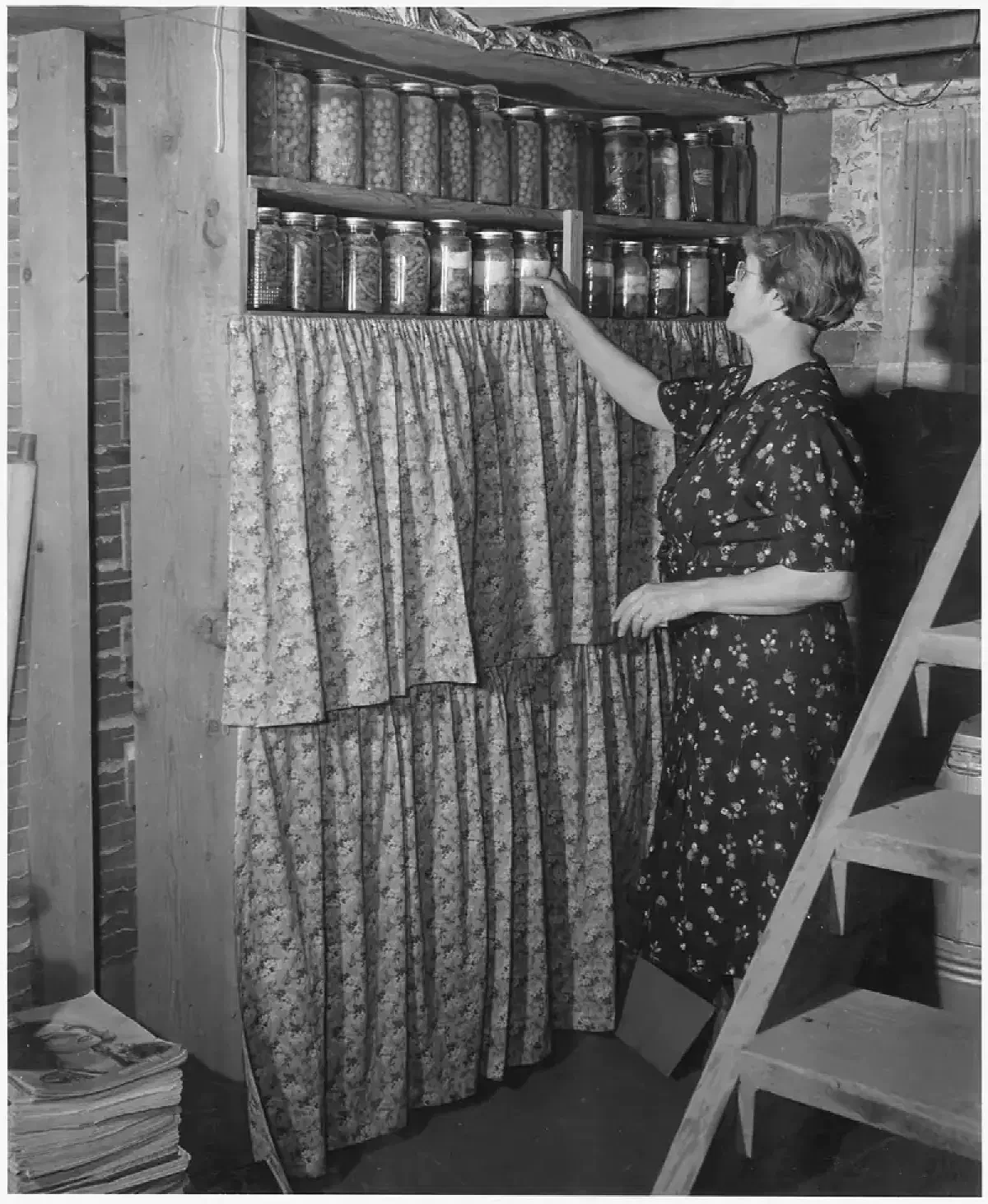
Canning food is a good practice of preserving food and making it last for years for emergencies or more. But how long is the home-canned food good for? We come with answers!
Generally speaking, you’ll hear a lot about foods remaining good for years if canned properly. But most researchers will suggest that the “best before” date for home-canned foods would be one year from the packaging date. But there is more food science for both homemade and commercially canned foods.
However, that is only the “best before” date, and that doesn’t necessarily mean that food will spoil after reaching the one-year date. But more on this later. For now, let us dive right into best practices for canning food at home.
Basics of Canning Food at Home #
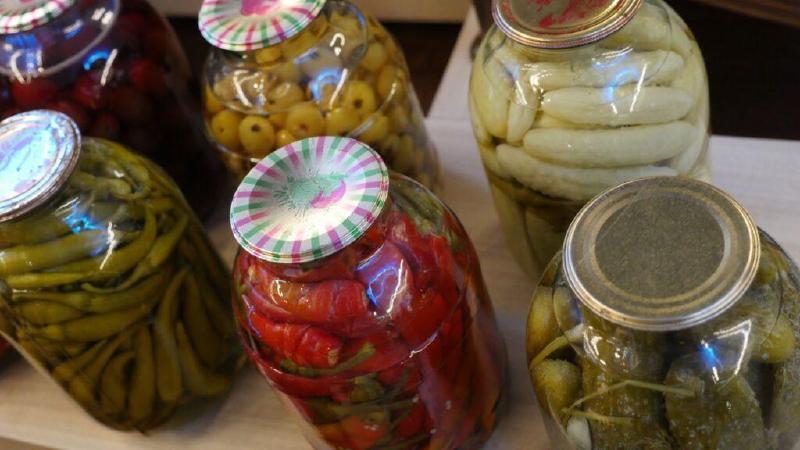
One should always be careful of best practices and techniques while canning food at home. Improper canning can lead to undesirable chemical reactions that lead to food poisoning. So, of course, proper canning increases the shelf life of the food items.
So, first of all, you should keep USDA Complete Guide To Home Canning in mind while trying to can foods at home. Also, remember that high-acid food (like canned tomatoes) must be preserved using a water bath or atmospheric steam canner. And low-acid food can be canned using the pressure canning method.
Here are the basics of canning food for you. Follow these best practices to elongate the shelf life of unopened home canned foods:
- Always use mason jars while canning foods as commercial or single-use jars require a precision of commercial knowledge.
- Two-piece lids are recommended (a new flat disc and a screw band).
- Adjust your temperatures and pressures according to the altitude you’re in.
- Leave proper headspace.
- Always preheat the mason jars before storing food.
- Always boil water to a raging boil.
- Let the jars cool for 12-14 hours.
Shelf Life of Home-Canned Foods #
As discussed earlier, home-canned food items last for one year, as per most research. But that is more of an inventory management process. This means you must use the oldest canned goods first and keep the freshly canned food for later.
In theory, home-canned foods will last as long as forever while sealed. However, the optimum taste remains for up to one year. But this is not a rule hard and fast rule. Some foods stay fresh and tasty after years as well.
Always use the FIFO (first-in, first-out) rule. This means you must reach for the oldest cans first. And further, look for any signs of discoloration or bulging before you start consuming food from older cans.
Shelf Life of Sealed Cans #
Keep the following points in mind when considering whether to use that canned item that you packed some time back. Low-acid foods have different timelines as compared to high-acid foods:
- As we mentioned earlier, technically, you can use it whenever you want (no matter how many years later), but the taste deteriorates significantly after 2-3 years.
- As a general rule of thumb, use canned food within one year of sealing (USDA guidelines).
- Low-acidic foods, in general, are known to last longer on the shelf. These foods can last more than five years if proper storage standards are followed.
- Home canning is better for highly-acidic foods as they have a longer shelf life when canned at home.
- On the other hand, commercially canned food can last up to 20 years.
So, you must use the one-year expiry date of sealed cans as a standard of pantry management where you can plan the use of the canned food in the year ahead. However, it doesn’t necessarily mean that the food spoils after this guideline.
Shelf Life of Opened Cans #
Commercially canned food items are equally perishable as homemade canned food items. Keep the following points in mind once you open the sealed cans and plan on consuming the food over time:
- Obviously, the shelf life of opened canned goods is very small (in days).
- Low-acid foods should be consumed between 3-5 days after opening the cans.
- High-acid foods, on the other hand, like pickles, can be stored in the fridge for up to a year.
- Opened sugar-free condiments should be consumed within 3 weeks to 3 months of opening, depending upon the presence of preservatives.
Thus, always be careful and look for symptoms of molds or discoloration once the can is opened.
How to Look for Defects in Home-Canned Foods #
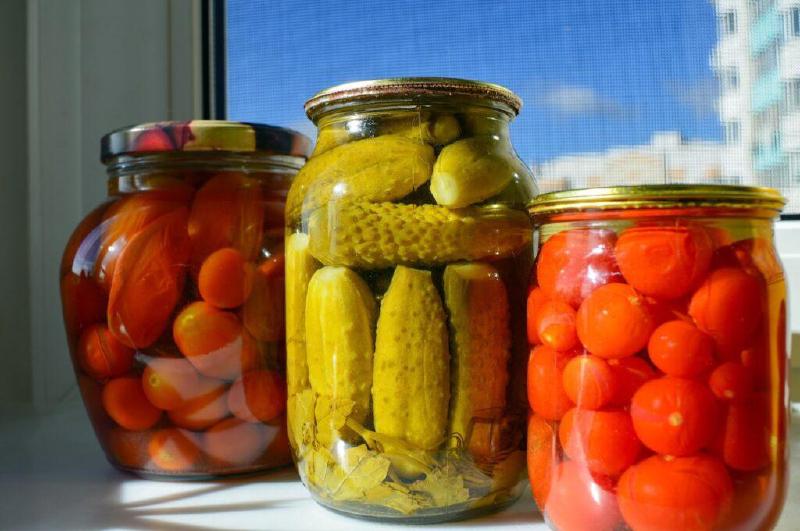
You know the basics: take a look at the color, sniff the food, or look for other abnormalities. These should give you a fair idea of whether the food is spoiled. Keep these points in mind for a better understanding:
- Discoloration or development of brown color over time is natural. However, this doesn’t necessarily mean that the food is spoiled.
- The development of white crystals over canned food is also quite normal. If you feel weird about it, just remove the upper layer of the food before consuming it.
- Loss in the crunch of food or soft texture also doesn’t mean that the food is spoiled.
- Food that becomes wet should be discarded because moisture spoils it.
- Food with insects or insect eggs should obviously be discarded immediately.
- Discard if there is metallic flavor in your food.
- Discard if it just doesn’t taste right.
So, you must be careful when you start consuming really old canned food. Look for the above signs and discard them accordingly.
Home-Canned Food Storage Best Practices #
Food storage rules are simple. And they apply to a variety of food products, whether canned or not. Find out these best practices:
- Always store in a cold, dry, and dark place for the best quality.
- Store canned goods away from heat sources as well as direct sunlight.
- Always avoid storing the canned food above the temperature of 90 degrees Fahrenheit.
- Keep away from moisture and pipelines.
These simple guidelines go a long way in helping preserve food for longer. The more careful you are, the better your canned food tastes post opening.
Food Canning FAQs #
Now that we know about the best food canning practices and how long the canned food lasts, let us also look at some FAQs that many people have when they start consuming food from these cans.
Can Canned Food Last for 10-20 Years? Canned food can technically last indefinitely. It just should not have gone through rusting, denting, swelling, or corrosion on the packing. The food in itself remains suitable for many years.
How Long Does Home-Canned Meat Stay Good? Just like any other canned food, canned meat should remain good indefinitely until any external rusting, swelling, or denting occurs. But as per USDA standards, you must consume it within one year of canning. Of course, meat might also stay good after this time but won’t remain at its optimal taste.
How Long Does Pressured Canned Food Remain Good? Pressured canned food, in general, will stay good for 12-18 months if you follow the right recipe and best practices for canning. Generally, you’ll find that pressured canned food items have an expiry date of 2-5 years from the canning date.
How to Know if Canned Foods Has Botulism? Look for signs like bulging, leaking, or swollen container. You can tell from the cracked and abnormal look of the jar if the food has the potential to cause food poisoning. Moldy, discolored, or smelly food is also a bad sign.
What Are Good Storage Conditions? #
The recommended storage temperature range is 50 to 70 degrees Fahrenheit (10 to 20 degrees Celsius). So, keep in mind that the higher the storage temperature, the more spoilage and quality ordeals you might face.
However, too low a storage temperature might also spoil your food. So, try to maintain the ideal temperature in your storage cupboards.
Last Word #
Home-canned and commercially canned foods need extra scrutiny and care to consume and ensure long life. Unlike fresh and frozen foods, canned foods might not taste their best for long, so we must ensure that we follow storage best practices to elongate the shelf life (try to consume it sooner for the best taste, though).
Homemade canned food should be consumed within one year of opening as per the USDA standards. But mostly, this is in terms of taste and nutritional value. In reality, the food remains suitable for much longer, according to food science, and is safe to eat indefinitely unless there is some external rusting, puffing, or leaking.
Related reading: Food and water guide; basics of canning and preserving at home; how long canned food lasts past its date; spotting and avoiding food spoilage