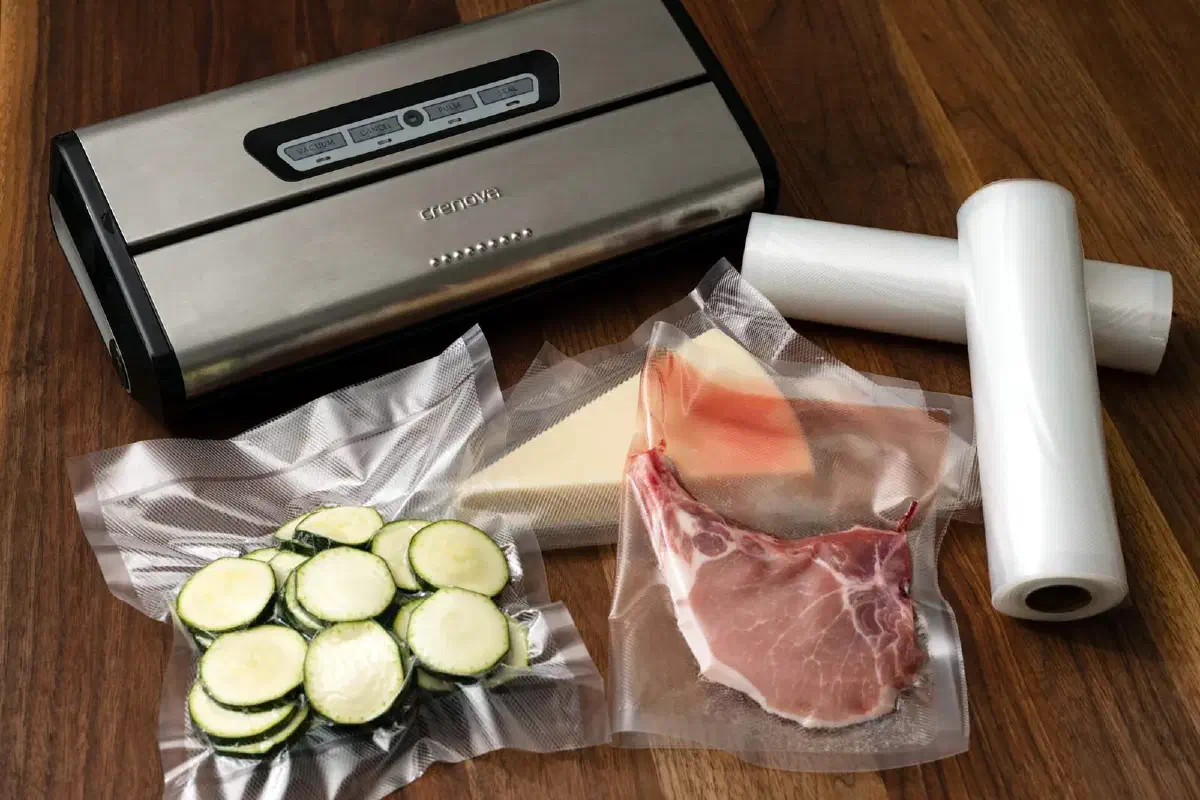
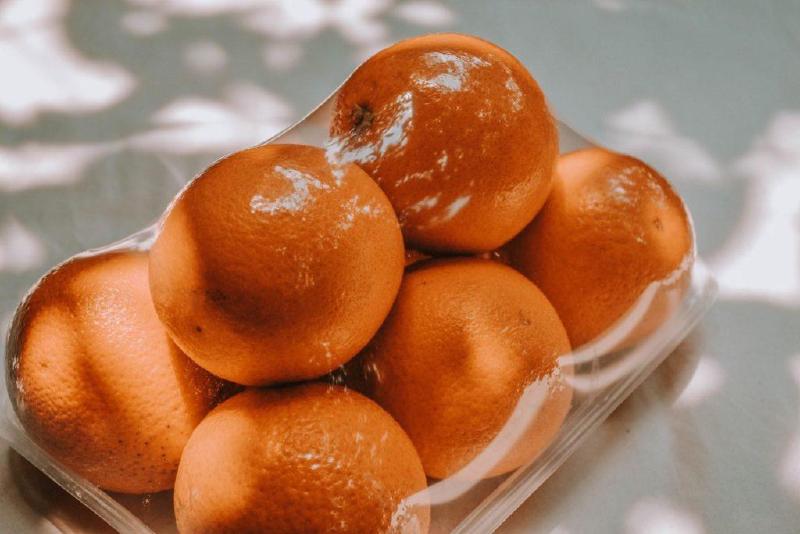
vacuum-sealed foods are all the rage these days, they’ve sparked numerous arguments at home and on television, but it has also put millions of people’s health in jeopardy.
Is vacuum sealing, therefore, deemed safe? How does it work?
The vacuum sealing process slows the deterioration process by lowering air oxygen. In short, vacuum sealing removes air. It also produces an anaerobic environment, which hinders the rate of aerobic bacteria or fungi and minimizes the dissipation of volatile substances.
Vacuum sealing can be used in conjunction with other packaging and food processing techniques because it makes your food stay fresh for an extended period.
Vacuum Sealing That Is Both Safe and Effective #
There are many varieties of vacuum packaging equipment on the market, and most of them differ substantially in terms of sophistication and capacity to safely vacuum-seal food.
However, as you undoubtedly know, vacuum sealing is not the same as heat processing. Vacuum sealing necessitates extreme attention, especially regarding perishable items, which are more susceptible to contamination.
Is it safe to vacuum-seal? Vacuum sealing entails eliminating air from the contents of a package. What is the purpose of removing air? Environmental oxygen encourages bacterial growth and fungus, resulting in a rapid decline in food quality.
As a result, the oxygen-free environment reduces the likelihood of a hazardous reaction occurring near food, resulting in an extended expiration date.
The Science Behind Vacuum Sealing Food #
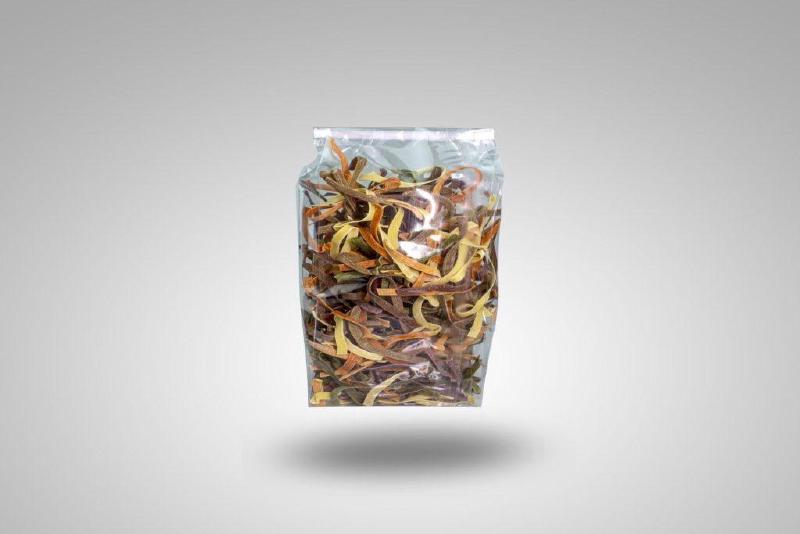
It’s important to understand the science behind vacuum sealing. Food rotting microbes and chemical reactions need three things to succeed: the food itself, a warm environment, and oxygen.
Refrigeration merely inhibits the capacity of microorganisms that send food away to multiply by providing an inhibitory, low-temperature environment. Refrigerating vacuum-sealed food results in a combination of little oxygen and cold storage, which extends the shelf life of the food.
Vacuum devices suck all of the air out of the bag, causing it to collapse around the food item. The vacuum bag and its contents are then heat-sealed after the machine determines a good vacuum has been achieved. You can’t just use any old plastic bag.
Ordinary plastic bags don’t do much to keep air out, but the proper bags are constructed of a stronger plastic designed to keep air out. Under specified test conditions, the oxygen permeability of vacuum bags must be less than 50 mL/m2 per day. The right vacuum bags usually feature one rough interior surface to aid in the vacuuming operation.
Uses Of Vacuum Sealing #
A vacuum sealer is a fantastic time and money saver in your household when used properly. Many perishable foods, such as raw meats, vegetables, fruits, etc., can be vacuum-sealed simply and safely. The frozen food can then be thawed and consumed or cooked after a significant duration of freezing.
Vacuum sealing can also be used to seal non-perishable objects.
When it comes to trekkers and boaters, where the chance of getting wet is great, vacuum sealing protects gear and clothing from getting wet. When vacuum-sealed, a spare pair of clothes will compress into a flat, tight container, making it easy to carry in a backpack or kayak.
Similarly, electronic items such as your smartphone or car keys can be kept safe and secure in a vacuum-sealed bag on a trip. They do not need to be taken out of their sealed pouches to utilize.
Other supplies like small emergency bags, portable first-aid kits, and fire-starting materials should be sealed in vacuum bags to keep them protected from the weather while still being available to use right away. When it comes to the kinds of stuff you can vacuum-seal and bring on your outdoor adventures, imagination is your only restriction.
However, vacuum sealers are primarily used for food storage, and several myths about this must be dispelled.
Vacuum-packed food must be frozen, just like food that has not been vacuum-sealed. Failure to do so could result in food spoiling and sickness. People frequently debate the need for vacuum-sealed food to be refrigerated, but we can guarantee you that this food needs the same refrigeration as unsealed food.
Advantages Of Vacuum Sealing #
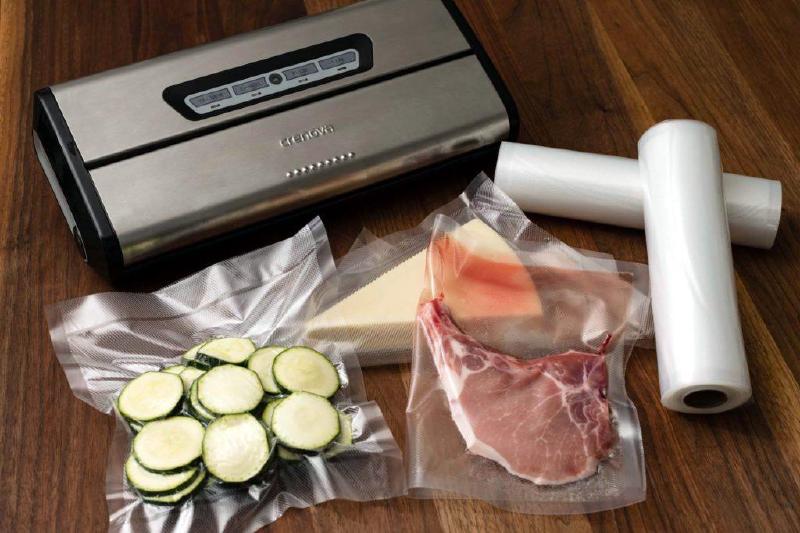
The most significant advantage of vacuum sealing is that it increases the shelf life of food. When it comes to beef, aging it in vacuum-sealed bags improves the flavor and tenderness. The amount of time vacuum-sealed food can be safely stored varies on the type of food.
When vacuum-sealed, dried foods like rice have a much longer shelf life.
Tip: #
After vacuum-sealing the bag, write the date to ensure that your food stays as fresh as possible. You can track how long it’s been stored and when it’s due to be used or eaten.
Clean your food well before storing it to lengthen its shelf life. Clean up any surfaces used between packages to avoid cross-contamination. Vacuum sealing equipment and pouches are available online and in-store to help you stay organized while storing your food.
Removing air from a food package increases the storage time of refrigerated, dried, and frozen foods.
Dangers Of Vacuum-Sealing Food #
Vacuum-sealed food products include dangers, according to the National Center for Food Preservation. Some hazardous bacteria that can only grow in an airless environment can develop quicker in vacuum-sealed goods than non-vacuum-sealed ones. Unlike germs that ruin food, disease-causing bacteria may not alter the color or appearance of the meal.
Disadvantages Of Vacuum-Sealing Food #
- Special bags are required
- Not every bag can be reused
- When food is placed in a package or container with no air removed, oxygen can trigger fats to acquire “bad” flavors and affect the color of the meal
- Expensive
- Anaerobic bacteria will thrive
- Vacuum sealing sensitive foods is not possible
- Even if vacuum-sealed, there will be spoiled food
Vacuum Sealing Tips That Work #
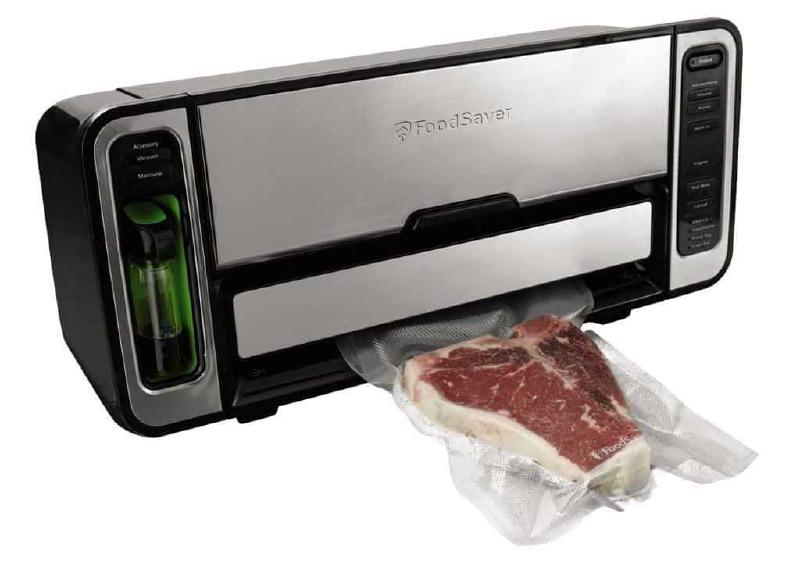
Use these food safety tips to avoid the hazards associated with vacuum-sealed foods:
- Hands and spoons—or anything else to be used during vacuum-sealing—should be cleaned before contact with food.
- Keep your utensils and counters clean.
- Refrigerate or freeze the majority of the vacuum-sealed food, except non-perishables that can be kept at room temperature.
- Before vacuum sealing, all low acid foods should be refrigerated, and such meals should always be kept in refrigerators and heated only when needed.
- Labeling your food sources is a good idea, but make sure the seal is clean and dirt-free.
- Vacuum-sealed food does not eliminate the requirement to pressure-can or water-bath home-canned goods.
Vacuum sealing food can keep things fresh for up to 3 years if done correctly. Your poultry or beef meat, coffee beans, and even fish may last for two or three years, while blueberries and raspberries could last for a week or two after being vacuum-sealed.
However, keep in mind the considerations we mentioned before. If you want to vacuum-seal beef, make sure it’s clean. And when you’re ready to consume it, finish the cooking.
Final Thoughts #
If you’ve taken the necessary precautions to prepare your food in a clean, sterile atmosphere, your vacuum-sealed food should be free of contamination and slow-growing microorganisms.
If you have any doubts about the safety of the food you are vacuum sealing, don’t do it since you will be creating a great breeding environment for bacteria. We would suggest that you do not vacuum-seal the food for your safety.
We hope that this article will assist you in safely using your vacuum sealer and reaping all of its benefits. If used appropriately, a vacuum sealer can be a fantastic kitchen tool. Choose and prepare your food properly, and you’ll be able to enjoy the benefits of vacuum sealing your food securely.
Related reading: Food and water guide; using Mylar bags for food storage; the science of food storage; spotting and avoiding food spoilage