
Freeze-dried food is a type of emergency food source that has been preserving food in such a way by removing water from its contents.
It is packed in lightweight, vacuum-sealed bags containing oxygen absorbers, and afterward, they are heated to remove all moisture.
Freeze-dried food has long been known as one of the best ways to preserve food, keeping it safe and delicious for years. But, unfortunately, not all freeze-dried food lasts forever—not even close!
Here’s everything you need to know about how long freeze-dried food lasts, along with several tips to help ensure you get the most use out of your next box of freeze-dried goodness.
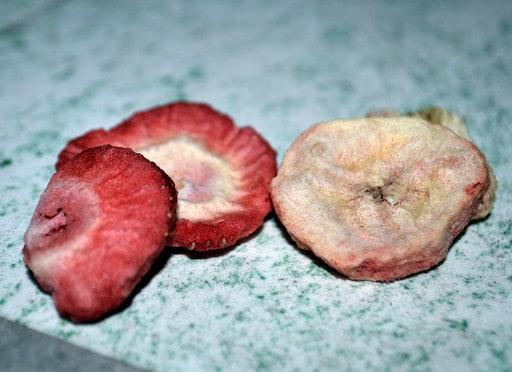
What Are Freeze-Dried Foods? #
Freeze-dried food is a more expensive alternative to dehydrated food but offers a better taste and can be kept for longer. It also does not need rehydration, making it suitable for emergencies.
When food is freeze-dried, it is flash-frozen and then placed in a vacuum chamber to remove the ice crystals.
When removed from this environment, the water can be reabsorbed by the air surrounding our dried foods, bringing them back to life in their original form as if you had never frozen them.
Freeze-drying preserves all of that fresh flavor for many years to come.
Heat, vacuum, and pressure extract moisture from foods that do not need cooking or preparation before consumption.
Another advantage of this method is that it slows the spoilage caused by bacteria in these products – even after opening them.
Difference Between Freeze-Dried and Dehydrated Food #
The freeze-drying process uses cold temperatures to flash-freeze fresh or cooked foods. Moisture is then removed in a vacuum seal by applying low-level heat to evaporate ice without converting it to liquid form.
Because the food remains frozen throughout the process, the cell structures of the food do not change, and the products keep their nutritional values and their original taste.
Hot temperatures are used in the dehydration process. Some foods (like apples and onions) benefit from dehydration (retaining nutritional values and tasting better when dehydrated).
Dried beans (navy beans, pinto beans, black beans, lentils, for example), diced carrots, chopped onions, diced apples, and diced potatoes are dehydrated-only items.
The Taste #
Dehydrated foods do not contain additional ingredients (e.g., seasonings) and must be cooked and seasoned. Cooking times vary, but most of them are added to hot, boiling water.
The food is “rehydrated” back into its original natural state before dehydration by adding water. Most dehydrated foods will benefit from the addition of seasonings and other items (for example, dehydrated vegetables, rice, meat, potatoes, etc.) and seasonings such as salt, pepper, and so on.
On the other hand, freeze-dried foods typically contain various ingredients and seasonings. There are no additional ingredients required—just a few minutes in hot water to rehydrate and be ready to eat. Freeze-dried foods are typically pre-seasoned, pre-cooked, and pre-mixed with other ingredients, resulting in quick, easy, and delicious meals.
Cooking #
Cooking and heating times are typically 10–15 minutes for most foods. Rice, green beans, and wheat (whole grains) require more time to cook and can be simmered for 30 minutes to an hour. Dehydrated and freeze-dried foods are simple to prepare and cook.
Ingredients #
Freeze-dried foods do not need additional cooking or ingredients to make a complete meal. Instead, add hot water and wait about 10 minutes for freeze-dried items. It completely rehydrates the food and makes it ready to eat!
Dehydrated foods are usually made up of a single ingredient. However, you can combine any dry food with any other food product to create a range of flavors, textures, and varieties.
Shelf Life of Freeze-Dried and Dehydrated Foods #
Both options are advantageous for long-term storage. However, temperature and storage conditions influence shelf life. Whenever possible, keep all stored foods in a cool, dry place. For long shelf life, you should store dry, canned food products in areas with little to no humidity (15 percent humidity or less). Higher storage temperatures can decrease the shelf life of freeze-dried and dehydrated foods.
Although predicting the actual shelf life of freeze-dried and dehydrated foods is not an exact science, many studies have been conducted. Lowering the constant temperature can dramatically increase the shelf life of storable foods.
You can double, triple, or even quadruple the shelf life by lowering the temperature proportionally. The general rule of thumb is to store your food items at the lowest possible temperature – a constant temperature of 40–60 degrees F is ideal for maintaining estimated shelf life and nutritional value.
In general, dairy products, shellfish, brown rice, and tree nuts are the most prone to aging.
How to Store Freeze-Dried Food #
Youtube: https://www.youtube.com/watch?v=I4oZBwvxOL4
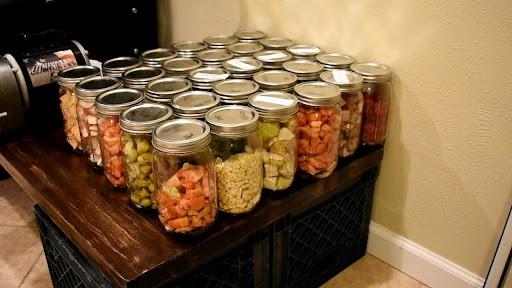
You can follow several best practices for an extended shelf life of your freeze-dried food products. Some of the best methods to help keep food fresher for longer include: avoiding moisture, handling with care, storing in plastic containers, and checking expiration dates.
Ideal Storage Conditions #
Microbial growth is what causes food to deteriorate. Freeze-dried foods are no exception. So, to get the most out of your shelf life, you’ll want to limit microbial development as much as possible.
The following are the ideal storage conditions for freeze-dried meals to keep them fresh for as long as possible.
- Moisture content - Because freeze-drying relies on removing as much moisture from the food as possible, it should go without saying that you should keep your food away from sources of moisture to ensure maximum shelf life. The best method to accomplish this is to keep the packaging intact (smaller Mylar bags or number 10 cans).
- Light: While aluminum cans efficiently block virtually 100% of light, Mylar bags block variable degrees of light depending on their thickness (the thickness of these bags is measured in “mils” — the more mils, the thicker the bag). Store your food in a dark place to ensure maximum shelf life, regardless of the packaging.
- Oxygen: The only way to keep oxygen away from the food is to keep the package or can sealed. Keep your food away from rodents and other critters that could damage the packing.
- Temperature: To ensure maximum shelf life, keep your food as cool as possible (but not below freezing). It’s also important to keep temperature swings to a minimum. A room without windows in the middle of our home (such as a closet), a basement, or a cellar are the best options because they have very consistent temperatures and are not exposed to direct sunlight.
Are Any Nutrients Lost as a Result of the Freeze-Drying and Dehydration Processes?
Freeze-Dried products: During the freeze-drying process, the food remains frozen, and the cell structure of the product remains unchanged. During the freeze-drying process, nearly all of the water is removed, resulting in a 90 percent weight reduction in the food. Dehydrating vs. freeze-drying is usually more expensive. It’s best to keep everything in one place at a low temperature. Following are some details:
- Freeze-dried food retains the original components’ fresh flavors, vitamins, nutrient values, colors, and aromas.
- Antioxidant phytochemicals in freeze-dried fruits are nearly as high as those in fresh fruit.
- According to the American Institute for Cancer Research, the proper serving size for freeze-dried fruits and vegetables is around 1/4 cup.
- Fruits that have been freeze-dried retain vitamins like E and contain folic acid.
Dehydrated Food: Some products are better suited for dehydration (removal of 90-95 percent of moisture) since this allows the food to be easily reconstituted back to its original state (for example, tomatoes, celery, carrots). The following are some details about dehydrated foods:
- During the dehydration process, vitamin A is retained.
- Because Vitamin C is an air-soluble nutrient and food drying is an air-based process, some Vitamin C is lost during the dehydration process. When food is sliced and its cells are cut, the exposed surfaces lose Vitamin C due to dehydration.
- Although some dry foods (such as fruits) taste sweeter because the water has been removed and the sugar has been concentrated, the calorie value of fresh food remains the same when it is dehydrated.
Conclusion #
Aside from their relatively high cost, freeze-dried foods are an excellent way of long-term food storage for your family in case of an emergency. Such food is simple to prepare, light to transport in a pack, and has extremely long shelf lives.
They do require a significant amount of water to prepare, so this type of food is not ideal if you use it in a water-limited environment. Take your time comparing different suppliers, and remember to diversify and buy other types of food preparations (canned goods, dry food, or MREs).
Find out how tasty and entertaining freeze-dried sweets and snacks can be! There’s something for everyone, from freeze-dried ice cream to gummy bears and, of course, Skittles! Many firms specializing in freeze-dried sweets are flourishing due to the high demand for freeze-dried candies.
Related reading: Food and water guide; pros and cons of freeze-dried foods; freeze-dried vs. dehydrated food; the science of food storage