A good dog does two jobs in a crisis. It tells you something is wrong before you can see it, and it keeps you steady when things go sideways. Few other pieces of gear do either, and none of them wag. But breed matters less than most lists suggest, and a dog you cannot control or keep fed is a liability. This guide sorts the usual security breeds by what they actually bring to a household, then covers how to find a dog worth owning. Choosing a dog is a household decision, so it helps to read preparing your pets for emergencies first.
What to look for before you look at breeds #
Security and companionship pull in slightly different directions. A dog bred for guarding tends to be watchful, territorial and strong. A dog bred to please tends to be friendly, trainable and easy with children. The best prepping dogs sit somewhere between the two, and which end you lean toward depends on your household.
Four things decide how a dog works out in practice:
- Size and presence. A large dog can deter trouble simply by being seen. Many would-be intruders move on when they hear a big bark behind a door.
- Trainability. Obedience is the foundation of everything else. A dog that will not come when called is a problem in an evacuation, not an asset.
- Temperament with your family. Children, other pets and visitors all change the calculation.
- Exercise needs. High-drive working breeds need hard daily work. If you cannot supply it, they find their own, and you will not like what they pick.
Every breed below needs early socialization and consistent, positive training. That caveat is repeated in almost every breed profile for a reason: the protective instinct that makes these dogs useful is the same one that causes trouble when they are poorly raised. Responsible ownership is part of the security plan.
The big guardians #
German Shepherd #
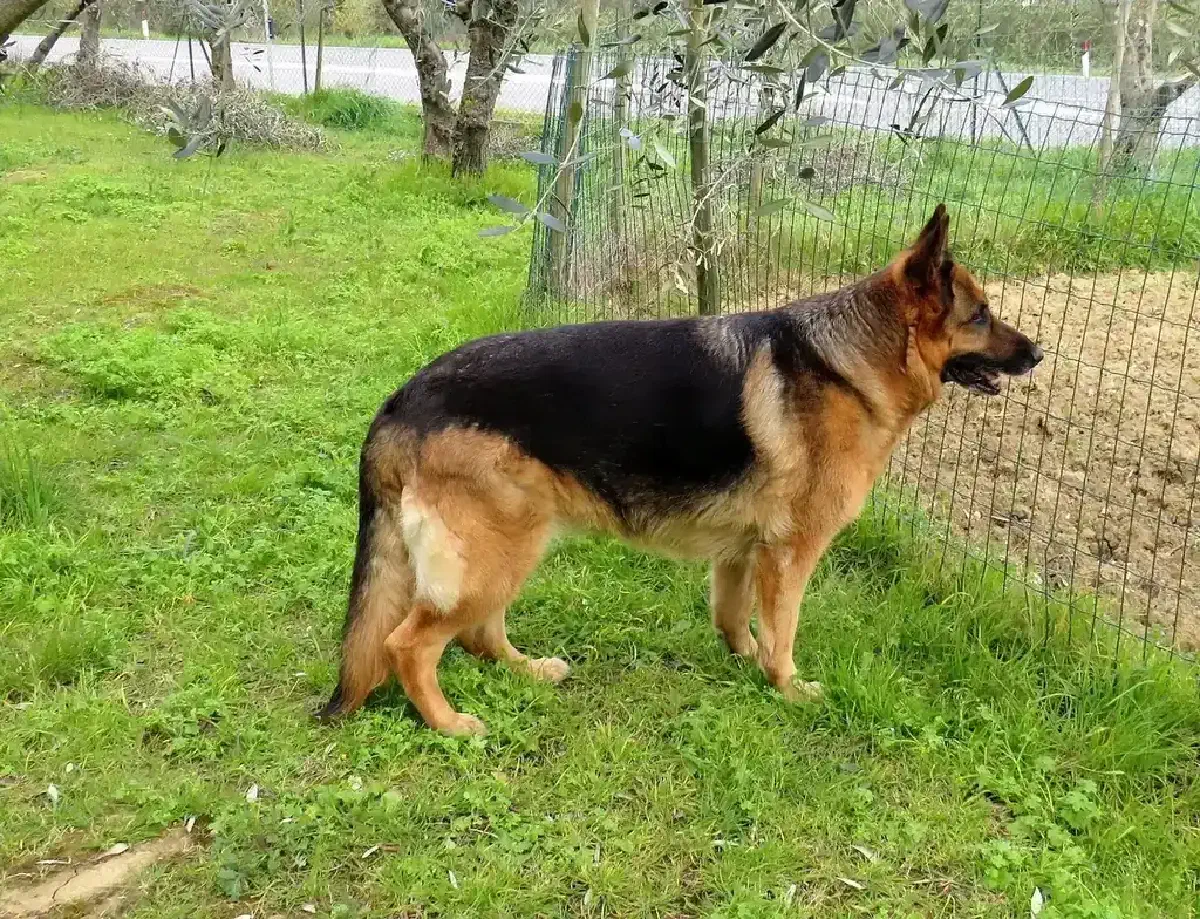
The German Shepherd is the default answer, and it earns the spot. It is intelligent, loyal and built like a working dog: strong, muscular, with a double coat that handles cold weather and an alert, almond-shaped eye. The usual colors are black and tan.
German Shepherds are used in search and rescue, military and police work and as therapy dogs, which says a lot about how adaptable they are. They guard their family and territory with real dedication, track well by scent and notice changes in their surroundings, so they make good watchdogs. They also form deep bonds, thrive when they are included in daily life and, with proper socialization, get along with children and other animals. Give one a job, whether agility, tracking or search work, and it is happier for it.
Rottweiler #
The Rottweiler has a broad head, a strong jaw and a short black coat with rich tan markings. It is confident and steady, with a protective streak that shows up without being taught. Rottweilers are highly intelligent and respond best to consistent, positive training, though they need firm leadership from someone who is calm about it.
Their size and strength deter intruders, and they are loyal and watchful at home. The warning attached to this breed is a fair one: without training and socialization, protectiveness can turn into aggression. They also need real exercise and mental work to avoid boredom and destructive habits. With a good owner they are gentle and devoted with their families.
Doberman Pinscher #
The Doberman is lean, fast and athletic, with a short coat that comes in black, blue, red and fawn. It is alert and intelligent, and it responds well to consistent positive reinforcement. It will also assess a threat quickly, helped by its speed, agility and courage, and it has a strong bite.
That capability calls for a firm but gentle hand and early socialization. Dobermans are devoted to their families and, despite the intimidating look, can be gentle and affectionate at home. They need daily physical exercise and mental stimulation, and they enjoy agility, tracking and obedience work. Properly socialized, they are generally good with children and other animals.
Bullmastiff #
The Bullmastiff proves that a guard dog does not have to be frantic. It is large and powerful, with a massive head and a wrinkled face, and a coat in brindle, fawn or red. Temperamentally it is calm, steady and docile, and generally friendly and tolerant, especially with children.
Its security value comes from sheer presence. A Bullmastiff on the other side of the door deters trouble on size alone, and it is watchful enough to alert you to anything unusual. It will defend its family if it must. It is relatively easy to train with positive methods, but a dog this big needs consistent leadership and early socialization, and daily exercise to stay fit.
The high-drive working breeds #
Belgian Malinois #
The Malinois is lighter than a Shepherd but not softer. It is elegant and athletic with a short, dense fawn-to-mahogany coat and a sharp, alert expression. Malinois are used in police work, tracking and search and rescue, and they are renowned for protective ability, speed and endurance.
They are also the breed on this list most likely to overwhelm a casual owner. High energy and a strong work ethic mean they need consistent, positive training to channel that drive, plus plenty of physical and mental stimulation. Early socialization matters to prevent wariness toward strangers or other animals. Loyal and dependable with a family that can keep up, they can be good with children when properly socialized, though their energy calls for supervision.
Giant Schnauzer #
Less often mentioned, the Giant Schnauzer is large and powerful, with a square head, bushy eyebrows and a dense wiry coat in black or salt-and-pepper that needs regular grooming. It is loyal, intelligent and protective, trains well, and wants firm and consistent leadership.
It deters through size and an imposing look, and it keeps a keen sense of its surroundings, so it can assess potential threats quickly. It is devoted to its family and enjoys obedience, tracking and agility. Size and energy mean supervision around children and other animals.
Bouvier des Flandres #
The Bouvier is a rugged herding breed with a dense, tousled double coat, a beard and eyebrows. It is loyal, intelligent and protective, trains well and has a calm but watchful nature that makes it an effective watchdog. It guards its family and territory with dedication. Its herding background means it also enjoys tracking and herding-type work. Like the others, it needs strong leadership, gentle but firm training and early socialization, plus regular exercise.
Akita #
The Akita is powerful and noble, with a large head, heavy muscle and a thick double coat in brindle, white or red. It is loyal, independent and protective, and it can be highly territorial. Akitas are intelligent but strong-willed, and may show some stubbornness, so they need patient, consistent training and a firm but gentle handler.
Watchful and alert, they make good watchdogs and deter simply by size. Be careful with other animals and with children: the protective nature calls for caution, and early socialization is not optional.
Fearless and deterrent breeds #
A few breeds are on security lists mostly for their nerve and their look.
Cane Corso. Powerful, alert and naturally suspicious of strangers, the Cane Corso is an effective guard dog. It is strong and athletic, with real endurance, and affectionate with its own family. It is also trainable and does well at tasks that need physical power.
Bull Terrier. Muscular, fearless and tenacious, the Bull Terrier defends its family and home and is territorial by instinct. Its build is intimidating, but it is also playful and mischievous, so it offers entertainment as well as protection. Training and socialization are essential.
Rhodesian Ridgeback. Bred in Africa for hunting and guarding, the Ridgeback is courageous, athletic and aloof with strangers, with the distinctive ridge along its back. It is calm and affectionate with its family and a natural deterrent.
Friendly dogs that still watch your back #
Some owners want an alert family dog, not a guard. These breeds are less intimidating but still useful.
- Boxer. Playful, energetic and great with children, the Boxer is also watchful. Its strength and alertness make a good watchdog that will tell you about anything unusual. But a friendly temperament means it is a poor fit if you need a serious guarding dog.
- Labrador Retriever. Intelligent, quick to learn and eager to please, the Lab is easy to train and adaptable, and it excels at search and rescue and therapy work. It will probably not guard as intensely as other breeds, but it alerts to threats and fits families well.
- Golden Retriever. Patient, gentle and highly trainable, the Golden is another family favorite. It is a loyal and alert protector for its people even without strong guard instincts.
- Belgian Tervuren. Intelligent, quick and energetic, with a strong work ethic and an athletic build. It is responsive to commands and loyal, and thrives with mental stimulation.
Matching the dog to the job #
| If you need | Consider |
|---|---|
| Strong presence and deterrence | Bullmastiff, Rottweiler, Cane Corso |
| Alertness and trainability | German Shepherd, Belgian Malinois, Doberman |
| A family dog that also watches | Boxer, Labrador, Golden Retriever |
| Calm size without constant drive | Bullmastiff, Akita |
Be honest about what you can handle. A Malinois in a small apartment with a busy owner is a recipe for a bored, destructive dog. A Labrador will not stop a determined intruder. Consider your living space, your time and your experience before picking on reputation alone.
Finding a breeder worth trusting #
Where the dog comes from matters nearly as much as which breed you choose. Temperament and health both start with the breeder.
Research first. Look for breeders with years of experience and a good reputation among dog people. Online reviews and testimonials help, and so does checking that the breeder follows ethical practices and puts the health of the dogs first.
Then meet them in person. Visit, see the conditions the dogs are raised in and ask about the breeding program, the health testing done on the parents, and how puppies are socialized and started in training. Meeting the adult dogs tells you a lot about temperament.
Finally, weigh what you found. Consider reputation, knowledge of the breed standard, the condition of the kennel and the health and behavior of the breeding dogs. A reputable breeder is transparent and willing to hand over health clearances and documentation. If anything feels evasive, walk away.
Training and care once the dog is home #
Buying the right breed is a small share of the work. Whichever dog you choose:
- Socialize early. Expose the puppy to people, other animals, vehicles and noise while it is young.
- Teach obedience before anything else. Reliable recall and a solid “stay” matter more than any protection training.
- Be consistent. Rules that change from day to day confuse any dog, and strong breeds exploit the gaps.
- Exercise it. Daily physical activity and mental work prevent boredom and the destruction that follows.
- Plan for it in your preparations. Store food, water and medication for the dog, and put it in your evacuation plan.
A dog that is well bred, well trained and well cared for gives you security and companionship in the same animal. That is a rare return from one member of the household, and it is worth taking the time to get the choice right. For the daily realities of keeping an animal through a long disruption, see pets in survival situations and isolation, and for the wider picture, getting started with prepping.