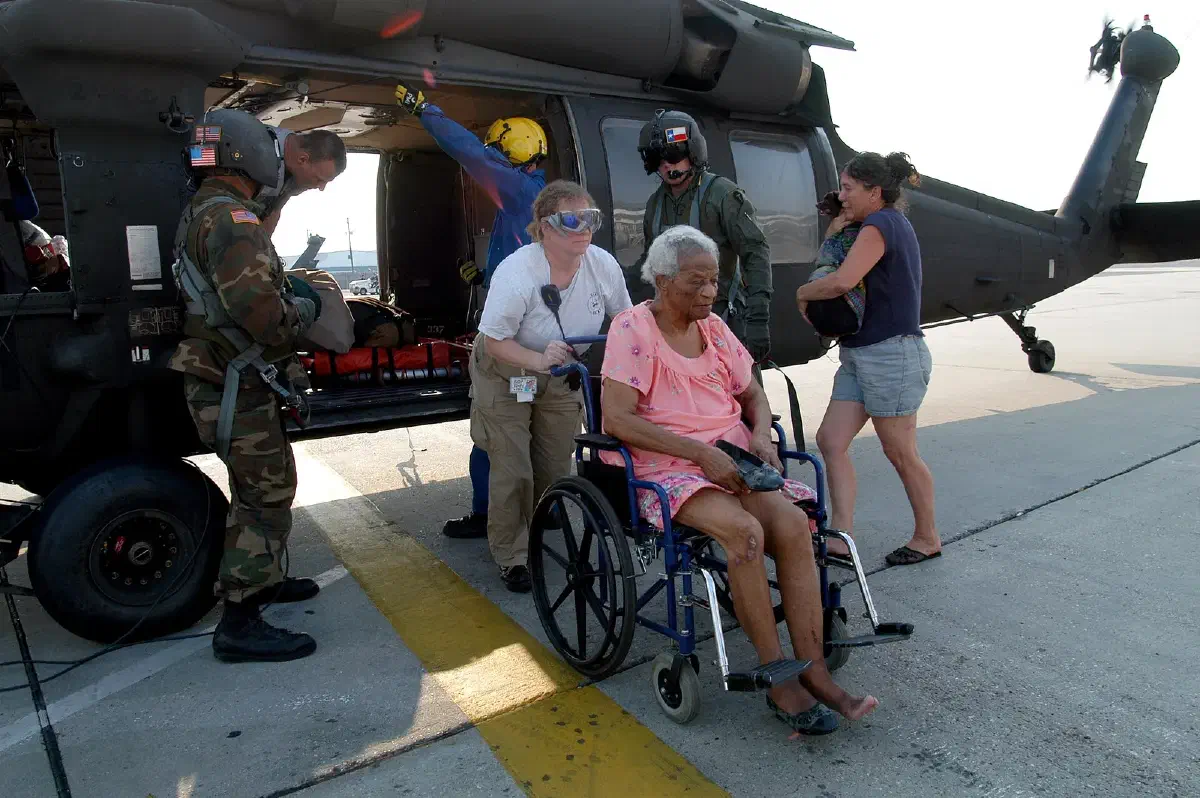
Most emergency plans quietly assume a healthy adult who can lift a bag, climb stairs, read a small-print alert and drive away. Plenty of people cannot do one or more of those things. Age brings changes in mobility, memory, hearing, vision and health, and disability adds needs of its own. A plan that ignores them fails at exactly the moment it is needed. This guide covers how to adapt your preparations for older adults and people with disabilities, whether you are planning for yourself or for someone you look after. The general framework is in getting started with prepping; this article covers what changes when mobility, medication or sensory needs are part of the plan.
Start with the person, not the checklist #
Standard prepper lists are written for the average case. Before you buy anything, sit down and work out what this particular person needs to get through three days with no help, and what would stop them from getting out of the house.
Three areas come up again and again.
Mobility. Stairs, narrow doorways, thresholds and long distances can all block an evacuation. Whether a person uses a wheelchair, walker, cane or other assistive device, you need a plan for how they will move from place to place. Walk the house and identify the obstacles, then work out alternative routes. Depending on the situation, ramps, stairlifts or other mobility aids may be worth the investment. Keep pathways clear of clutter, install grab bars and handrails in key areas, and set up a buddy system so someone is assigned to help.
Memory and thinking. Dementia, Alzheimer’s disease and other cognitive impairments can make it hard to understand or follow instructions in an emergency. Build a simplified plan with clear, short steps, and keep the key information, such as emergency contact numbers and medical details, where anyone can find it quickly.
Chronic health conditions. Someone with diabetes or heart disease may need special accommodations, so a supply of the necessary medications and medical supplies must always be on hand. Keep a written list of medications, dosages and medical conditions in the kit.
Medications #
Medication is the item most likely to turn a short disruption into a medical emergency, so it deserves its own plan.
- Keep a current list of every medication and dosage, and keep it with the kit.
- Hold a backup supply of essential medications where you can.
- Store them in a secure, waterproof container.
- Rotate stock regularly so that it stays fresh and potent.
- Consider a pill organizer or a medication reminder system to help the person stay on schedule when routines break down.
- Keep copies of prescriptions in case you need refills.
Building the kit #
A general-purpose kit gets you most of the way. For older adults and people with disabilities, add the items that match their needs.
| Item | Why it matters |
|---|---|
| Medications and a dosage list | Managing chronic conditions through a disruption |
| Medical supplies | Bandages, gauze, antiseptic wipes, scissors, tweezers, gloves, thermometer |
| Assistive devices | Wheelchair, walker, cane, hearing aids and communication devices |
| Backup batteries and chargers | Powering the devices someone depends on |
| Personal hygiene items | Soap, hand sanitizer, toothbrush, toothpaste, wipes |
| Non-perishable food | Canned goods, granola bars, dried fruit, nuts, peanut butter |
| Water | At least one gallon per person per day for at least three days |
| Flashlight and extra batteries | A hand-crank light works too |
| First aid kit | Adhesive bandages, gauze pads, medical tape, antiseptic ointment |
| Whistle | Signaling for help |
| Blankets or sleeping bags | Warmth and comfort |
| Contact list | Family, caregivers, doctors and other key numbers |
Check the kit regularly. Expired medication and dead batteries are the usual reasons a kit fails.
Important documents #
Gather identification, insurance information, medical records and emergency contacts in one place. Keep paper copies in the kit and a digital set on a portable USB drive. If you have to move fast, these are the papers that let a stranger treat you correctly.
Communication #
Communication is the part of an emergency plan that older adults and people with disabilities most often struggle with, because the usual channels assume good hearing, good eyesight and a modern phone.
- Match the device to the person. A cell phone with large buttons or a medical alert system lets someone call for help easily. People with hearing or vision impairments need a plan for how they will reach emergency responders and family.
- Consider alternative tools. For people with disabilities, text-to-speech apps, medical alert systems and communication boards can help them state their needs clearly.
- Build a communication chain. Set up a chain of family, neighbors and friends, make sure everybody knows how to reach each other, and agree on a meeting spot in case you are separated. A group messaging app makes it easy.
- Plan for the power going out. Have a landline or a backup way to communicate if cell signal fails, and keep an emergency contact list on paper.
- Sign up for alerts. Many communities offer emergency alert systems with real-time information on weather warnings and road closures. Register, and make sure you know how to receive and respond to them.
Evacuation planning #
If you have to leave, the plan needs to account for the person’s actual speed and abilities.
- Pack a go bag. Keep a small, lightweight bag that can be grabbed quickly, with medications, important documents, a change of clothes and a few days of non-perishable food and water.
- Map several routes. Choose multiple evacuation routes in case one is blocked, and consider transportation options and traffic.
- Set a meeting point and a transport plan. Decide who is moving the person, in what vehicle, and with what equipment.
- Check accessibility ahead of time. Make sure emergency shelters, evacuation routes and other essential services are accessible to people with disabilities.
- Share the plan. Tell family, neighbors and caregivers where you will go and how to reach you, and keep them updated on changes.
- Practice. Drill the evacuation so the person knows what to expect. Practice is what shows you the stair you forgot about.
Assistive devices #
People with disabilities often depend on equipment for daily tasks. In an emergency you need a plan for how they will keep access to it. Keep spare batteries, chargers and other essential accessories, and make a list of every assistive device the person uses and keep it where it can be found quickly. If a device cannot be taken along, have a backup.
Emotional support #
A crisis is frightening for anyone, and an older adult or a person with a disability may feel scared, confused or overwhelmed, or frustrated by a situation they cannot control. Emotional care is part of the plan.
- Check in regularly and listen to their concerns.
- Offer reassurance and comfort, including physical comfort such as a hug or holding a hand.
- Try calming activities such as deep breathing.
- Encourage connections with family members or support groups.
- Involve a mental health professional or counselor when the distress is significant.
Make sure they feel safe and supported throughout, not just physically cared for.
Caregivers and support networks #
If you are a caregiver, or have older relatives who rely on you, bring them into the planning.
Write a care plan. Work with your loved one and their other caregivers to set out specific needs, responsibilities and emergency steps. Give everyone a copy and make sure each person understands their role.
Build a support network. Family, friends, neighbors and community resources can all help. Share the plan with them and make sure they know how to find the important information.
Use local resources. Many communities run programs for seniors and people with disabilities during disasters. Useful contacts include senior centers, aging services agencies, volunteer groups and emergency response organizations. These can offer help in an emergency and let people keep their independence.
Drill with the whole group. Practicing with caregivers and the support network reveals gaps while the stakes are low.
Financial preparedness #
Money problems follow disasters. Keep important financial documents in a secure location, set a budget for emergency expenses, consider insurance that covers emergency situations, and review your financial plan with a trusted advisor. For older adults on a fixed income, even a modest emergency fund can mean the difference between getting through a disruption and being stuck in it.
Review regularly #
Needs change. A medication changes, a mobility aid is replaced, a caregiver moves away. Review the plan on a regular schedule and after any change in health, and keep the kit current. Preparing for older adults and people with disabilities is not a different kind of prepping, just prepping done with an honest look at the person it is for. Write the results into your family emergency plan and keep copies of essential documents in the go-bag, and see a multi-generational prepping plan if several generations share a household.