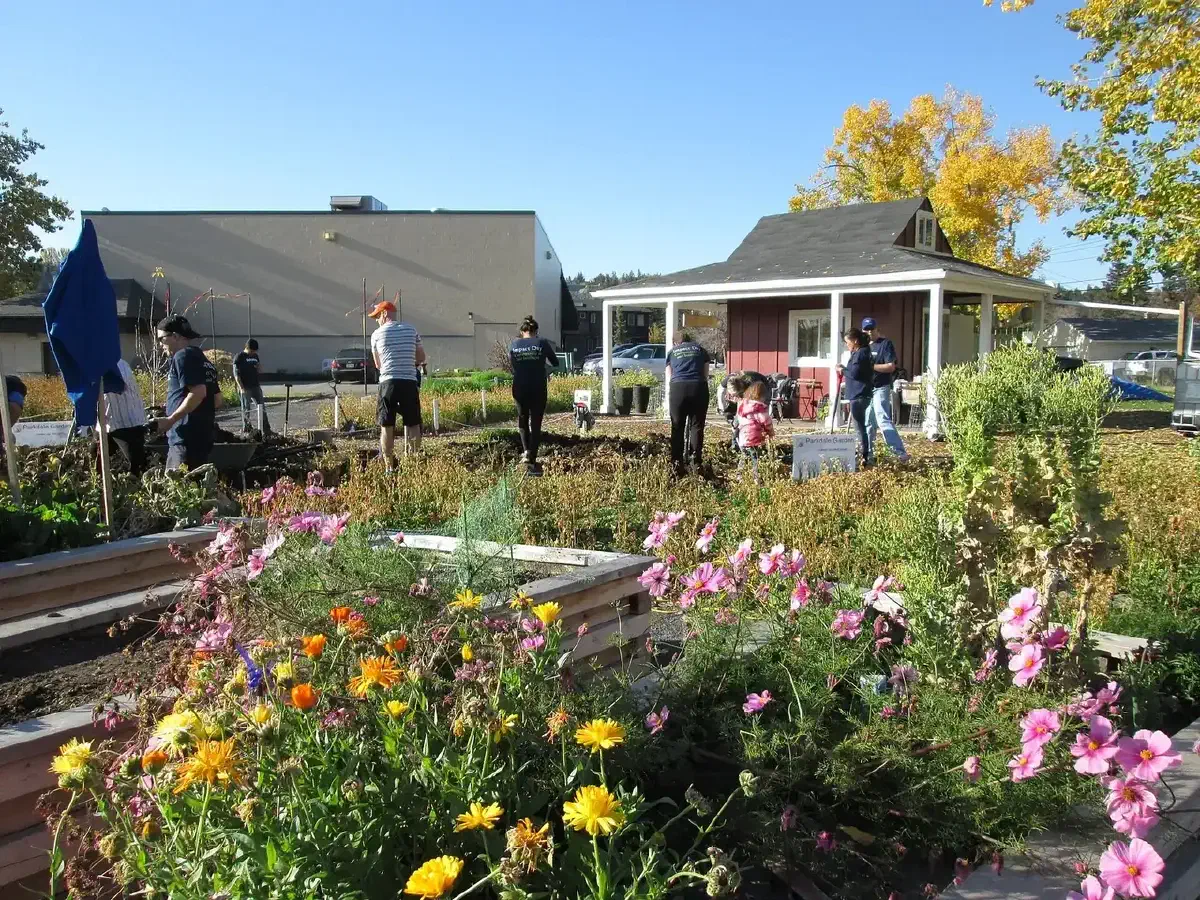
Preparing as a community makes everyone safer in times of uncertainty. By sharing resources, knowledge, and skills with your neighbors, you build a network that can handle obstacles no single household could. Below are key ways to work together and strengthen the bonds that make a neighborhood resilient. For the individual and household side of the same work, start with getting started with prepping.
Importance of Community Resilience #
Building a resilient community takes more than just individual preparation. It requires cooperation and collaboration among neighbors to ensure that everyone is ready to face any challenges that may come their way. By working together, you can create a network of support that will strengthen your community during difficult times.
Benefits of Shared Prepping Practices #
When you practice shared prepping with your neighbors, you not only increase your own preparedness but also that of your community as a whole. By pooling resources, knowledge, and skills, you can amplify the effectiveness of your prepping efforts and create a more resilient neighborhood. In addition, shared prepping practices can foster a sense of unity and cooperation among neighbors, creating a strong sense of community spirit.
Establishing a Community Prepping Group #
One of the first steps in building a resilient community through shared prepping practices is to establish a community prepping group. This group can serve as a central hub for organizing and coordinating prepping efforts within your neighborhood.
Setting Up Regular Meetings #
Regular meetings are essential for keeping your community prepping group organized and on track. By meeting on a consistent basis, you can ensure that everyone is up to date on the latest preparedness efforts and address any concerns or issues that may arise. Consider setting up a monthly or quarterly meeting schedule to keep communication flowing smoothly.
Assigning Roles and Responsibilities #
To ensure that all aspects of prepping are covered within your community, it’s important to assign roles and responsibilities to group members. This can include tasks such as organizing food and water supplies, developing emergency evacuation plans, or coordinating communications during a crisis. By dividing up responsibilities, you can ensure that every aspect of prepping is properly addressed.
Sharing Resources and Skills #
Another key aspect of building a resilient community through shared prepping practices is the sharing of resources and skills. By pooling your resources and knowledge with your neighbors, you can create a more comprehensive and effective preparedness plan.
Creating a Resource Inventory #
One way to facilitate the sharing of resources within your community is to create a resource inventory. This can include items such as food supplies, water filtration systems, medical supplies, and tools. By documenting what resources are available within your neighborhood, you can quickly identify gaps and areas where additional supplies may be needed.
Conducting Skills Workshops #
In addition to sharing physical resources, it’s important to also share skills and knowledge with your neighbors. Consider organizing skills workshops on topics such as first aid, basic survival techniques, or food preservation. By teaching each other valuable skills, you can ensure that everyone in your community is better equipped to handle emergencies.
Developing a Communication Plan #
Communication is key during any emergency or disaster situation. Developing a communication plan within your community prepping group is essential for ensuring that information is shared quickly and effectively during a crisis.
Establishing Communication Channels #
Identify and establish communication channels that can be used to relay important information within your community. This can include methods such as phone trees, social media groups, or walkie-talkie systems. Make sure that everyone knows how to access these communication channels and has a way to stay connected during an emergency.
Creating Contact Lists #
Maintaining up-to-date contact lists for all members of your community prepping group is crucial for effective communication. Include important information such as phone numbers, email addresses, and emergency contact information. Make sure that these contact lists are easily accessible to all group members and are regularly updated.
Planning for Evacuation and Sheltering #
In the event of a major disaster, evacuation and sheltering may become necessary to ensure the safety of your community members. Developing plans for evacuation routes and emergency shelters is an important part of building a resilient community.
Mapping Evacuation Routes #
Work together with your neighbors to map out evacuation routes from your neighborhood in case of an emergency. Identify alternate routes and have a designated meeting point where everyone can gather before evacuating. Make sure that all members of your community prepping group are familiar with these routes and know what to do in the event of an evacuation.
Identifying Emergency Shelters #
In the event that evacuation is necessary, it’s important to identify and prepare emergency shelters within your community. This can include public buildings, churches, or designated community centers. Make sure that these shelters are well-stocked with supplies such as food, water, and medical supplies to support community members in need.
Building Relationships with Local Authorities #
Building strong relationships with local authorities can be instrumental in ensuring the success of your community prepping efforts. By working together with law enforcement, emergency services, and other government agencies, you can access additional resources and support during times of crisis.
Participating in Community Preparedness Programs #
Attend community meetings, workshops, and training sessions offered by local authorities to learn more about disaster preparedness and build connections with key stakeholders. By actively participating in these programs, you can gain valuable knowledge and resources that can benefit your community prepping group.
Establishing Partnerships with Emergency Services #
Reach out to local law enforcement, fire departments, and emergency medical services to establish partnerships and open lines of communication. These partnerships can help facilitate coordinated responses during emergencies and ensure that your community has access to the support it needs.
Conclusion #
By implementing shared prepping practices within your neighborhood, you can help build a more resilient community that is prepared to face any challenges that may come its way. Through cooperation, communication, and collaboration, you can create a network of support that will strengthen your community during difficult times. Take the first step towards a more resilient future by reaching out to your neighbors and initiating discussions about how you can work together to build a safer and more prepared community. Together, you can make a difference and create a stronger, more resilient community for everyone. Pair this with techniques for building resilient community infrastructure and the role of community in post-disaster recovery for the practical details.