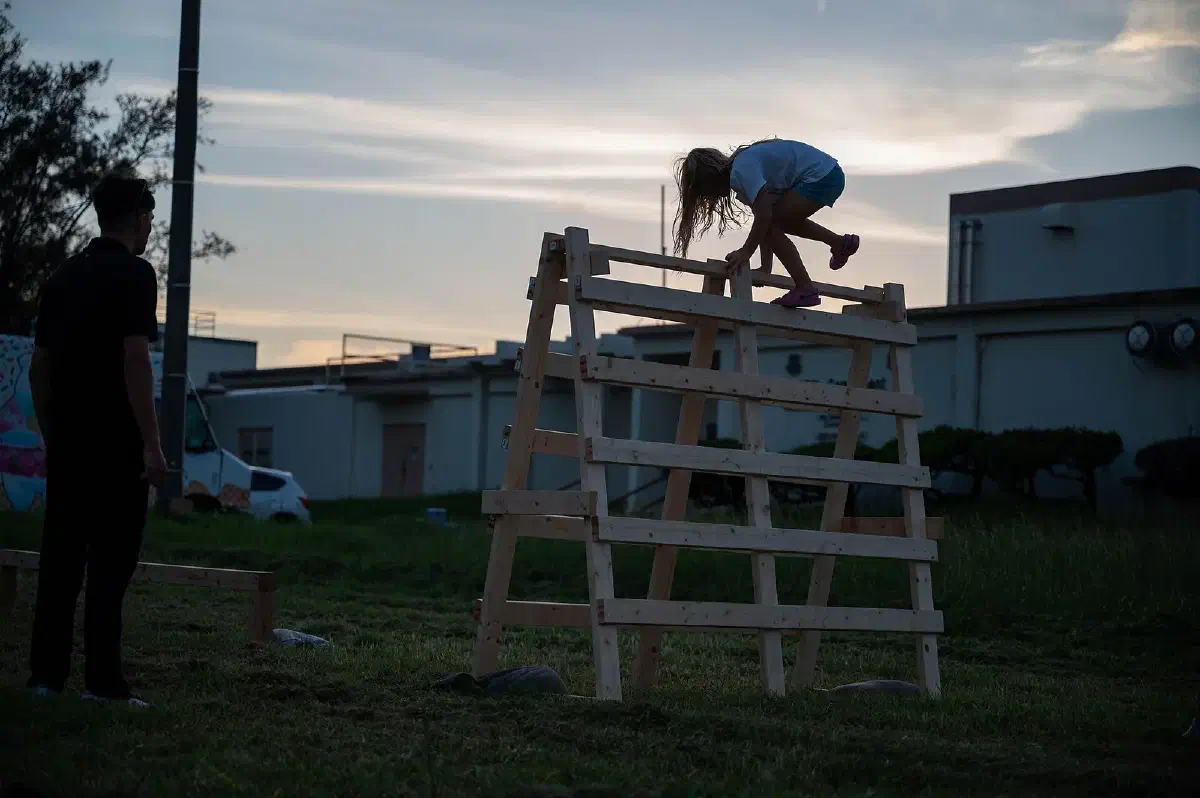
Children who practice handling small emergencies cope better with big ones. Prepping gives kids a structured way to build coping skills, problem-solving habits, and confidence, which helps their emotional and physical well-being as well as their safety. This article explains how to build that resilience through prepping. The practical side of this is in teaching children survival skills and preparedness.
Understanding Resilience in Children Resilience is the ability to bounce back from difficult situations or adversity. It is a crucial trait that helps children navigate life’s challenges with strength and grace. Building resilience in children involves teaching them coping skills, problem-solving abilities, and a positive mindset. By instilling resilience in children, you are equipping them with the tools they need to overcome obstacles and thrive in the face of adversity.
When children face setbacks, they may feel overwhelmed or defeated. By building resilience, you can help them develop the resilience needed to face challenges head-on. As a parent, you play a crucial role in fostering resilience in your child.
The Benefits of Building Resilience in Children Through Prepping #
One effective way to build resilience in children is through prepping. Prepping involves preparing for emergencies such as natural disasters, power outages, or other unforeseen events. By involving your child in prepping activities, you can teach them valuable life skills and build their resilience.
When children are involved in prepping, they learn the importance of being prepared and staying calm in emergency situations. Prepping also teaches children the value of self-reliance and problem-solving skills. By engaging in prepping activities with your child, you are helping them develop essential life skills that will benefit them in the future.
Prepping Activities for Children #
There are many prepping activities that you can do with your child to build their resilience. These activities can be fun, educational, and meaningful. Here are some prepping activities for children:
| Activity | Description |
|---|---|
| Create a Family Emergency Plan | Sit down with your child and create a family emergency plan. Discuss what to do in case of emergencies, how to contact each other, and where to go for safety. Practice the plan regularly to ensure everyone knows what to do. |
| Build a DIY Emergency Kit | Help your child put together a DIY emergency kit with essentials such as water, non-perishable food, first aid supplies, flashlight, and batteries. Explain the importance of having an emergency kit and how it can help in emergencies. |
| Gardening and Food Preservation | Teach your child the basics of gardening and food preservation. Plant a vegetable garden together and show your child how to preserve food through canning, drying, or freezing. These skills can be useful in times of food scarcity or emergencies. |
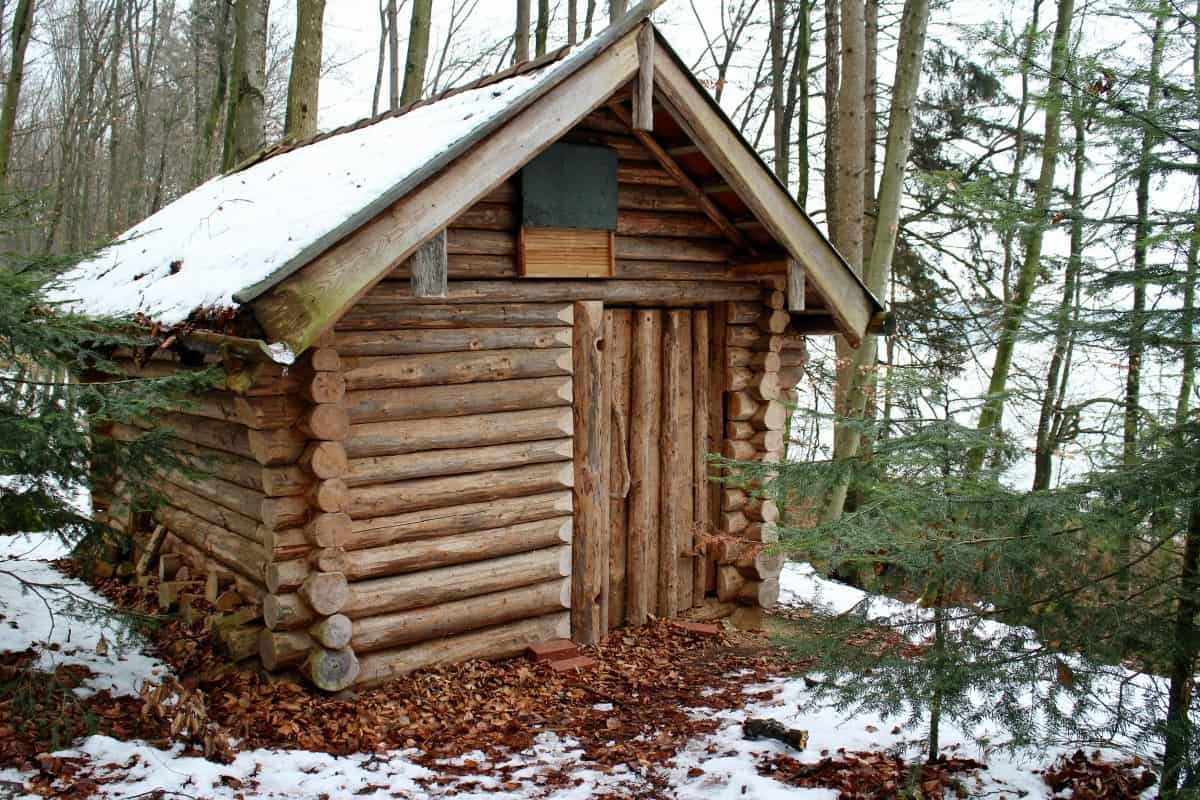
| Wilderness Survival Skills | Take your child on outdoor adventures and teach them wilderness survival skills such as building a shelter, starting a fire, and finding food and water. These skills can be invaluable in emergency situations or when out in nature. |
Engaging in prepping activities with your child not only teaches them practical skills but also strengthens the bond between you. It is an opportunity for quality time together while preparing for the unexpected.
Teaching Children Self-Reliance and Problem-Solving Skills #
Prepping teaches children self-reliance and problem-solving skills, which are essential for building resilience. By involving your child in prepping activities, you are empowering them to take charge of their safety and well-being. You are also teaching them how to think critically and find solutions to challenges.
When children learn self-reliance, they become more confident in their abilities to handle difficult situations. They learn to trust themselves and their capabilities, which boosts their self-esteem and resilience. By encouraging your child to problem-solve and make decisions independently, you are fostering a sense of autonomy and self-assurance.
Encouraging a Positive Mindset in Children #
A positive mindset is key to building resilience in children. By teaching your child to approach challenges with a positive attitude, you are helping them develop a resilient mindset. Encouraging optimism, perseverance, and gratitude in your child can help them navigate life’s ups and downs with grace and strength.
When children face adversity, they may feel discouraged or overwhelmed. By promoting a positive mindset, you can help your child see challenges as opportunities for growth and learning. You can teach them to look for silver linings, focus on solutions, and maintain a hopeful outlook even in difficult circumstances.
Practicing Mindfulness and Stress Management #
Incorporating mindfulness and stress management techniques into your child’s routine can help them build resilience and cope with stress. Mindfulness involves being present in the moment and cultivating self-awareness. By teaching your child mindfulness techniques such as deep breathing, meditation, or yoga, you are helping them develop emotional regulation and stress resilience.
When children practice mindfulness, they learn to manage their thoughts and emotions effectively. They become more aware of their internal experiences and better able to cope with stressors. By incorporating mindfulness into your child’s daily routine, you are equipping them with valuable skills for managing anxiety, worry, and overwhelm.
Building Community and Support Systems #
Building resilience in children also involves creating a strong support system and fostering a sense of community. Children thrive in environments where they feel connected, supported, and valued. By building community connections and nurturing positive relationships, you are helping your child develop a sense of belonging and security.
Encourage your child to participate in community activities and volunteer work. Engage with your neighbors, friends, and extended family members to create a network of support. By building strong bonds with others, your child will have a safety net of caring individuals who can provide emotional support and practical assistance in times of need.
Conclusion #
Building resilience in children through prepping is a valuable investment in their future. By teaching them essential life skills, fostering self-reliance and problem-solving abilities, encouraging a positive mindset, practicing mindfulness and stress management, and building community connections, you are equipping your child with the tools they need to navigate life’s challenges with strength and grace. Start building resilience in your child today through prepping activities and watch them grow into resilient, confident, and empowered individuals. Pair it with building an emergency survival kit for kids and your family emergency plan; getting started with prepping has the wider picture.