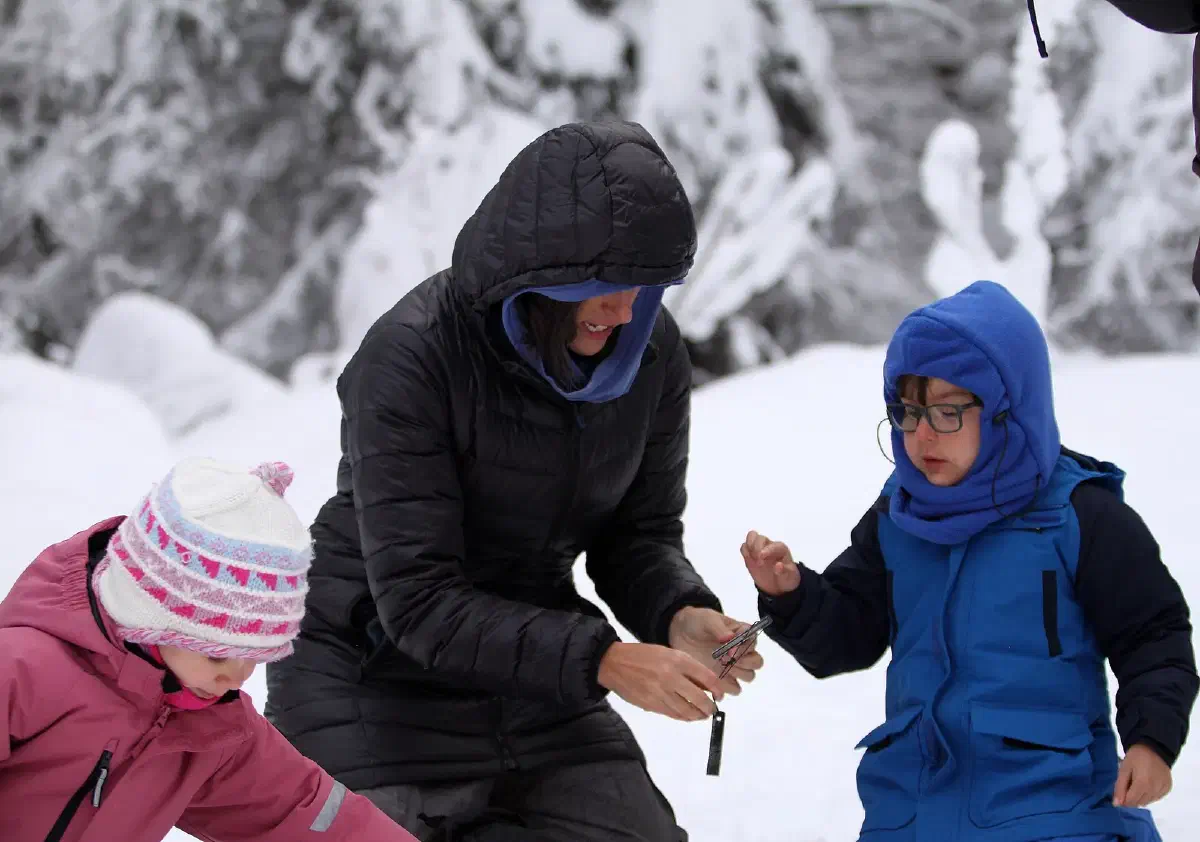
Children who know what to do in an emergency are safer than children who have never been told, and they are usually less frightened too. The trick is to teach it in a way that builds confidence instead of fear. Done well, preparedness becomes part of family life, taught through games, drills and hands-on practice, with lessons matched to the child’s age. This guide covers how to structure that teaching, which skills to cover and how to fold the whole thing into everyday routines. Start with the household plan in how to create an effective emergency plan for your family, then teach the children their part of it.
Why start early #
Equipping children with the skills and knowledge to handle emergencies increases their safety and well-being in life-threatening situations. It also builds confidence and self-reliance. A child who has practiced what to do when the smoke alarm goes off, or how to find the meeting point, is proactive and resilient instead of helpless.
It is never too early to begin, and it does not have to be dull or scary. When children enjoy it, they participate, and what they learn sticks.
Make it fun #
Turn learning into a game. A “survival scavenger hunt,” where kids find and pack essentials such as non-perishable food, water bottles, flashlights and first aid supplies, entertains them and teaches why those things matter.
Role-play. Set up an emergency scenario and have your kids act out how they would respond. It lets them practice first aid, communication and problem solving in a safe, controlled setting. Role-playing works for nearly every skill below.
Use hands-on activities. Interactive lessons, games and drills beat lectures for children of all ages.
Build a simple curriculum #
If you prefer a structured approach, treat it like a homeschool subject: a program that teaches survival skills and emergency preparedness through set topics. A reasonable curriculum covers:
| Topic | What children learn |
|---|---|
| First aid | CPR, wound care, emergency response |
| Emergency evacuation | Leaving a building or area in a fire or other emergency |
| Basic self-defense | Protecting themselves in dangerous situations |
| Critical thinking | Decision making under stress, assessing risk |
| Food and water storage | Why non-perishable food and water are stored |
| Communication | Communicating effectively during emergencies |
Map out the topics, set specific learning objectives for each session and schedule it weekly or monthly so teaching is consistent. Set realistic goals that fit your children’s ages and abilities: start with the basics and add more advanced material as they gain proficiency. Dedicated time each day or week for lessons, drills or discussion builds a routine that reinforces learning and makes it a natural part of their lives.
The skills #
Communication #
Children need to be able to ask for help and understand instructions. Teach them to listen actively by keeping eye contact, nodding and asking clarifying questions, and to speak clearly. Walkie-talkies are a good tool for emergencies or outdoor navigation: show them the controls, how to hold the device, press the talk button and wait for a reply, and encourage clear speech.
Make sure they know the emergency numbers for police, fire and medical services. Flashcards or posters help, as does regular review and quizzing. Children should also know important contact numbers and addresses by heart.
Navigation #
Teach children to read maps and use a compass. Start with the parts of a map, such as the legend, scale and symbols, and how to find key landmarks. Then introduce the compass. Take walks and point out landmarks like distinctive buildings, natural formations and big trees, so they learn to observe and recognize them. Orienteering courses in parks, with checkpoints and clues, make practice enjoyable. Make sure they can find their way back home or to a designated meeting point if they get lost.
Shelter #
Show children how to pick suitable materials, such as branches and leaves, and a location that offers protection from wind and rain. Demonstrate techniques such as lean-tos. Teach them to build a temporary shelter from household items, such as blankets, tarps and rope, indoors or outdoors, and let them experiment with designs.
Safety comes first: avoid areas prone to flooding or falling debris, check the stability of trees and branches if using them, and look for higher ground.
Fire safety #
Fire is a life skill and a hazard at once. Emphasize adult supervision and the dangers. Teach safe fire starting with matches, lighters or fire starters, along with building a fire pit, gathering firewood and extinguishing flames properly.
Discuss common causes of fires such as faulty electrical wiring, flammable materials and careless handling, and teach prevention, such as keeping flammable items away from heat sources. Practice fire drills regularly: designate a meeting point outside, teach calm exits from different areas of the home, demonstrate “stop, drop, and roll” and stress staying low in smoke.
Water #
Teach children how to find water sources such as rivers, streams and springs, why to avoid stagnant or contaminated water and how to collect and store it with containers. Demonstrate purification: filtering through sand or improvised filters made from fabric or charcoal, and boiling to kill contaminants. Explain the health risks of unsafe water, including diarrhea, dehydration, bacterial infections and diseases such as cholera and giardiasis.
First aid #
Teach bandaging wounds and abrasions and, using age-appropriate methods, CPR, while stressing the importance of getting an adult in a real emergency. Involve them in building a child-friendly first aid kit with adhesive bandages, antiseptic wipes, gauze pads and medical gloves, explaining what each item is for. Role-play scenarios such as a fall that leaves a cut, and give feedback.
Food #
Start with caution: research thoroughly before eating any wild plant. Teach children to identify common edible plants in your area, such as wild berries, dandelion greens or cattail roots. Introduce hunting and fishing methods, such as trapping, snaring and fishing with basic tools, while emphasizing respect for wildlife and local regulations. In a safe, controlled setting, practice with fishing, crabbing or other food gathering, and teach safe preparation and cooking.
Staying safe from people #
Teach simple self-defense moves such as palm, elbow and knee strikes and the vulnerable areas to target. More important is avoidance: observe surroundings, spot risks, trust instincts and discuss situations such as strangers offering gifts or unfamiliar places without adult supervision. Role-play so they can apply what they learn calmly.
Emotional resilience #
Children also need ways to cope. Teach positive coping mechanisms such as deep breathing, visualization and physical activity like yoga or jogging. Encourage open conversation about feelings and fears in a space without judgment, listen and validate. Help them identify and label emotions, understand their triggers and use “I” statements to express them. This builds emotional intelligence and better management of reactions.
Involve them in the family plan #
Children cope better when they know the plan.
- Make the family emergency plan together. Outline what to do in different scenarios, assign roles to every family member, children included, and practice regularly.
- Designate meeting points, inside and outside the home, and practice reaching them quickly and safely.
- Set communication protocols for separation: how to reach you or other relatives by phone, walkie-talkie or other device.
- Build emergency kits with them, tailored to local climate, hazards and expected duration, with non-perishable food, water, first aid supplies and flashlights.
- Discuss why it matters. Explain that emergencies can happen at any time and that preparation helps us respond effectively. Cover different types of emergencies, such as natural disasters and accidents.
- Run family drills for fires, severe weather and earthquakes with clear instructions and roles.
A bug out bag for kids #
Give each child their own bag. Include comfort items, such as a favorite toy, book or snacks, to provide emotional support and reduce anxiety. Pack age-appropriate supplies, including clothing, shoes and hygiene products, and customize them for the child’s needs and preferences. Before any emergency, teach the child where the bag is and how to use what is inside. Pack it together, explain the purpose of each item and encourage questions.
Keep it part of everyday life #
Preparedness education does not have to be limited to scheduled lessons.
- Teach observation. Encourage children to notice hazards and recognize signs of danger such as smoke, unfamiliar people and unusual noises.
- Drill regularly. Practice evacuation routes, fire drills and sheltering at home, and keep them fun and interactive.
- Share real survival stories. Talk about how people used their skills to stay safe, invite questions and ask what they would do.
- Discuss real emergencies. Talk about how to respond calmly and effectively.
- Let them lead. Give children opportunities to make decisions during practice scenarios.
- Keep talking. Encourage open communication about preparedness at home.
Resources #
Several resources help. Online courses and workshops teach children emergency preparedness through interactive programs. Age-appropriate books and guides cover first aid basics and disaster preparedness. A customized emergency kit helps children understand why preparation matters. For community resources, contact your local fire department, Red Cross chapter or emergency management agency about training programs and workshops.
Pace yourself #
Do not try to cover everything at once. Pick one skill a month, practice it until it is comfortable, and move on. Revisit the basics regularly, since children forget what they do not use. Keep the tone calm and positive: the aim is a child who knows what to do, not one who lies awake worrying. Over time, the skills add up to a confident, capable kid and a household that is better prepared as a whole. A kit gives them something to practice with: see building an emergency survival kit for kids and building resilience in children through prepping.