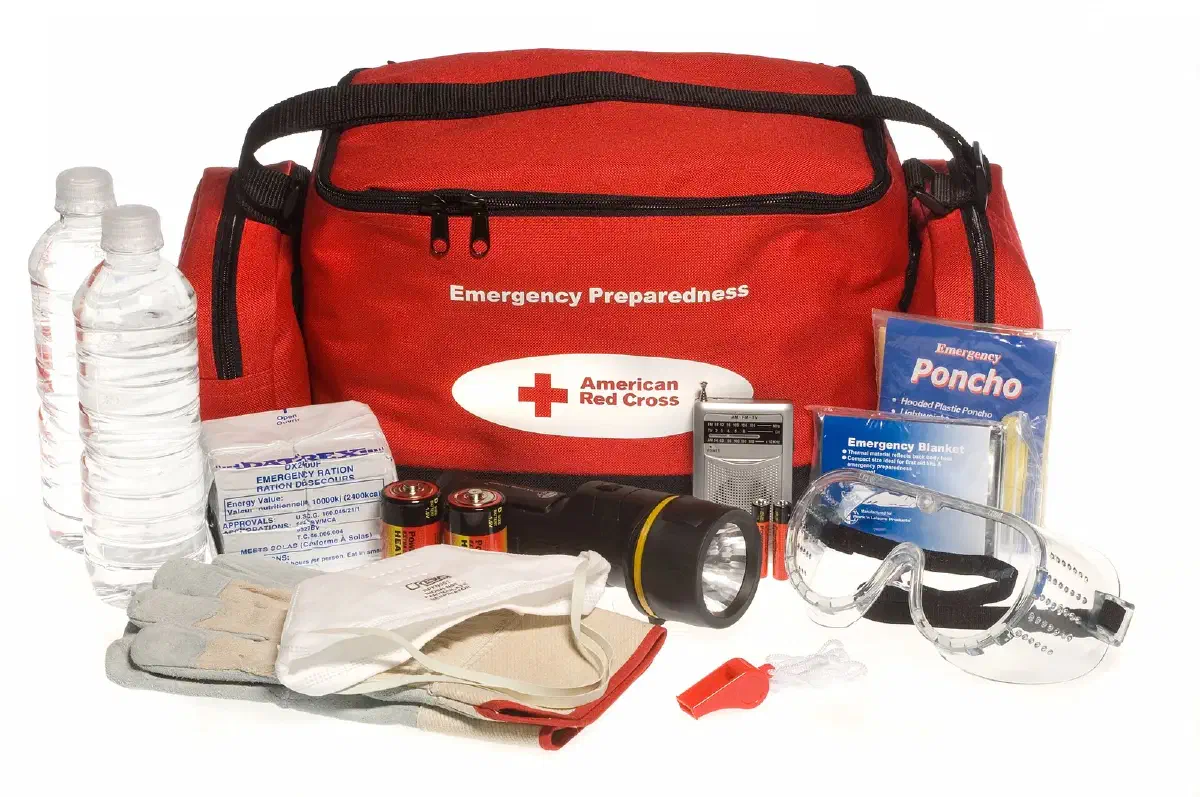
A 72-hour kit is built around a simple assumption: for the first three days after an emergency, help may not reach you, shops may be closed, and the power may be off. The kit has to carry you, and anyone who depends on you, through that stretch. It is the foundation of most prepping plans, and it is a cheap one to build.
This checklist goes category by category. Where one section of a kit matters especially in a house fire or wildfire evacuation, that is noted too.
Why a fire-ready kit is worth building #
Fire is the emergency nobody wants to picture. According to figures cited by the Survival Corps, there are more than 355,000 residential structure fires in the US each year, and seven Americans die in home fires every day. Cooking accidents, faulty heating and electrical faults are common causes. Wildfires add to the risk: in 2018 alone there were 58,083 of them, burning roughly 8.8 million acres and destroying many homes.
You can make your home safer, but you can do little about a wildfire coming your way. You can, however, make escape and recovery easier. If you have to leave with ten minutes’ notice, a packed kit is the difference between walking out with what you need and walking out with nothing. It is virtually impossible to be fully prepared for a fire, but a good kit gets you most of the way.
Food and water #
Plan on one gallon of water per person per day, for drinking and sanitation, and a three-day supply as a minimum. Store it in a cool, dark place and check expiry dates. Remember that you may be unable to buy supplies if you have to evacuate.
For food, choose items that need no refrigeration and keep well: canned fruit, vegetables, meat, tuna or chicken, and soup; protein bars, dried fruit, nuts, peanut butter, whole-grain crackers, granola bars and trail mix. Shelf-stable milk and juice are good additions. Pack a manual can opener, because an electric one is useless in a power cut. If you need to heat food, Sterno cans do the job.
Add disposable plates, cups and cutlery. When clean dishes are not available, they spare you work and reduce the risk of contamination, and biodegradable ones are kinder to the environment.
Do not forget the people and animals with particular needs. If you have small children, pack the foods they eat. Pets need food too, and a familiar diet helps them cope. Replace stored food and water about every six months, and rotate pet food as well.
First aid supplies #
A kit should handle everything from a scrape to a more serious injury. Include:
- adhesive bandages in several sizes, gauze pads, roller bandages and hypoallergenic or adhesive tape
- scissors and tweezers (scissors to cut bandages or clothing, tweezers for splinters and ticks)
- antiseptic wipes or rinse, and antibiotic ointment such as Neosporin
- alcohol wipes, hand sanitizer and latex gloves
- over-the-counter medication: pain relievers such as acetaminophen or ibuprofen, anti-diarrhoea medicine, laxatives and antacids, and allergy or cold tablets if you need them
Pack at least three days of any prescription medication, stored somewhere cool and dry, with a list of the drugs and doses. Include a copy of your medical history and emergency contacts: conditions, allergies, past surgeries and current medication. If you wear glasses or contact lenses, add a spare pair or an old pair of glasses and cleaning supplies. Check any pain reliever against your medical conditions and allergies, and ask a healthcare professional if you are unsure.
Clothing and bedding #
Pack one full change of clothes and underwear per person, suited to the season, with an extra layer for cold weather. Durable, lightweight, foldable pieces work best. Include:
- sturdy shoes or boots with good grip, for protection from debris and broken glass
- rain gear: a waterproof jacket or poncho, with waterproof covers for bags
- hats, gloves and thermal underwear
- a blanket or sleeping bag for each person, plus a pillow if you may end up in a shelter. Look for fabric that is quick-drying and easy to clean
An emergency (space) blanket is compact and reflects body heat, so add one or more.
Light, power and communication #
Pack flashlights or headlamps, preferably LED because of their efficiency and long run time, along with spare batteries in every size your devices take. Test everything on a schedule and replace batteries when necessary. A battery-powered or hand-crank radio keeps you in touch with news and official instructions when there is no electricity or internet.
Keep a phone charger in the kit, ideally a portable one or a solar charger. A whistle, or an air horn, is a dependable way to signal for help when your voice will not carry, and reflective tape improves your visibility. Knowing the SOS signal helps. Finish with a written list of emergency contacts: family, friends, doctors and local emergency services.
Tools and sanitation #
A multi-tool or Swiss Army knife covers many small jobs. Duct tape handles temporary repairs and sealing leaks, and rope or paracord is useful for shelters, securing loads and improvising. A utility knife, pliers, a small sewing kit and plastic sheeting are also worth carrying. For a fire in the home, include a shut-off wrench so that you can turn off the gas. Matches or a lighter in a waterproof container let you light a fire for warmth, light and cooking. A small fire extinguisher can control a minor fire before it spreads, so make sure it is maintained and easy to reach.
Sanitation matters more than people expect. Include toilet paper, moist towelettes, soap, plastic garbage bags with ties, and disinfectant and chlorine bleach. A plastic bucket with a tight-fitting lid works as an improvised toilet, and a collapsible camping toilet is another option. Travel-size toothbrush and toothpaste, soap and shampoo (bar soap saves space), a deodorant, comb or brush, and hair ties for long hair round out the personal items. Add feminine hygiene products in a waterproof container, extras for infants or elderly family members, quick-drying towels and washcloths, and sturdy trash bags, which also make emergency waterproof covers. Aim for travel-size hand sanitizer with at least 60 percent alcohol, and N95 masks and durable gloves for dust, smoke and contaminants.
Documents and cash #
Put copies of important papers in a waterproof or fireproof container. At minimum:
- identification, such as driver’s licences, passports and social security cards
- birth certificates
- insurance policies: home or renter’s, health and any others
- medical records and emergency contact information
Keep cash in small bills, because card readers and ATMs may be down and change can be scarce. During a major emergency such as a wildfire you may not be able to use a credit card at all. Include a spare set of car and house keys, and make sure more than one person knows where they are. A local paper map with evacuation routes and emergency facilities marked is better than relying on a phone.
Shelter and comfort #
If you may be sleeping outside a home, add a tarp or a compact tent and practise putting it up before you need to. Comfort items have a real purpose in a stressful situation, so pack a few: books or magazines, a deck of cards or a travel game, colouring books and crayons for children, a stress ball or a favourite stuffed toy, and a notepad and pen (a waterproof one if possible) for lists and messages.
Storage and maintenance #
Keep the kit in plastic containers, in a spot everyone can get to, and make sure the whole family knows where it is. Put individual items in airtight plastic bags. Consider a smaller version for the trunk of your car so that you have the bare minimum even if you have to leave without grabbing the main kit.
Review the kit at least once a year. Replace clothing that no longer fits the kids, swap out toiletries for fresh ones, check batteries and expiry dates, and update medication if your needs have changed. Do it on the same date each year, so it becomes a habit.
A 72-hour kit does not cover everything, and it is not meant to. It buys you time to get somewhere safe or wait for help, and that is often enough.
Related reading: Getting started with prepping