Prepping sounds like a recent invention, a product of reality TV and doomsday cable specials. It isn’t. The habit of laying in supplies against a bad season is as old as agriculture, and the modern movement is just the latest form of it. Tracing how the practice changed shows why people prepare, what shaped the gear and methods in use today, and where it may go next.
Prepping, in the simplest terms, means taking proactive measures to secure your safety and well-being in the face of possible disasters or emergencies. People do it for different reasons: self-sufficiency, peace of mind, worry about societal stability, or plain concern about storms and floods.
Early roots #
In the earliest human societies, prepping was just living. Hunting and gathering groups survived by planning for scarcity: storing food, crafting tools and building shelter. The knowledge passed from one generation to the next laid the foundation for what we now call prepping.
As civilizations grew, so did their preparedness. The Egyptians, Greeks and Romans built granaries to hold surplus food, constructed underground shelters and developed early warning systems for natural disasters. They understood that a community’s survival and prosperity depended on being ready.
Colonial America offers another example. Settlers met harsh winters, food shortages and conflict with Native American tribes in an unfamiliar environment. They canned food, made their own tools and weapons, and built fortified settlements. That self-reliance laid the groundwork for a mindset that persists today.
Catastrophes that shaped preparedness #
Some events changed how whole societies prepare.
Pandemics. From the Black Death in the 14th century to the Spanish Flu in the early 20th century, infectious disease has caused widespread death and disruption. Responses have included stockpiling medical supplies, quarantine measures and vaccine development, and the lessons still shape public health and emergency planning.
Natural disasters. Earthquakes, hurricanes and wildfires have always threatened communities. Preparation means emergency plans, disaster supply kits and secured homes, and communities have added early warning systems and more resilient infrastructure.
Wars and conflicts. From World War I to the Cold War, civilians prepared for enemy attacks, air raids and potential nuclear disasters. Civil defense programs, bomb shelters and drills brought preparedness to both individuals and entire societies.
The Cold War and the fallout shelter #
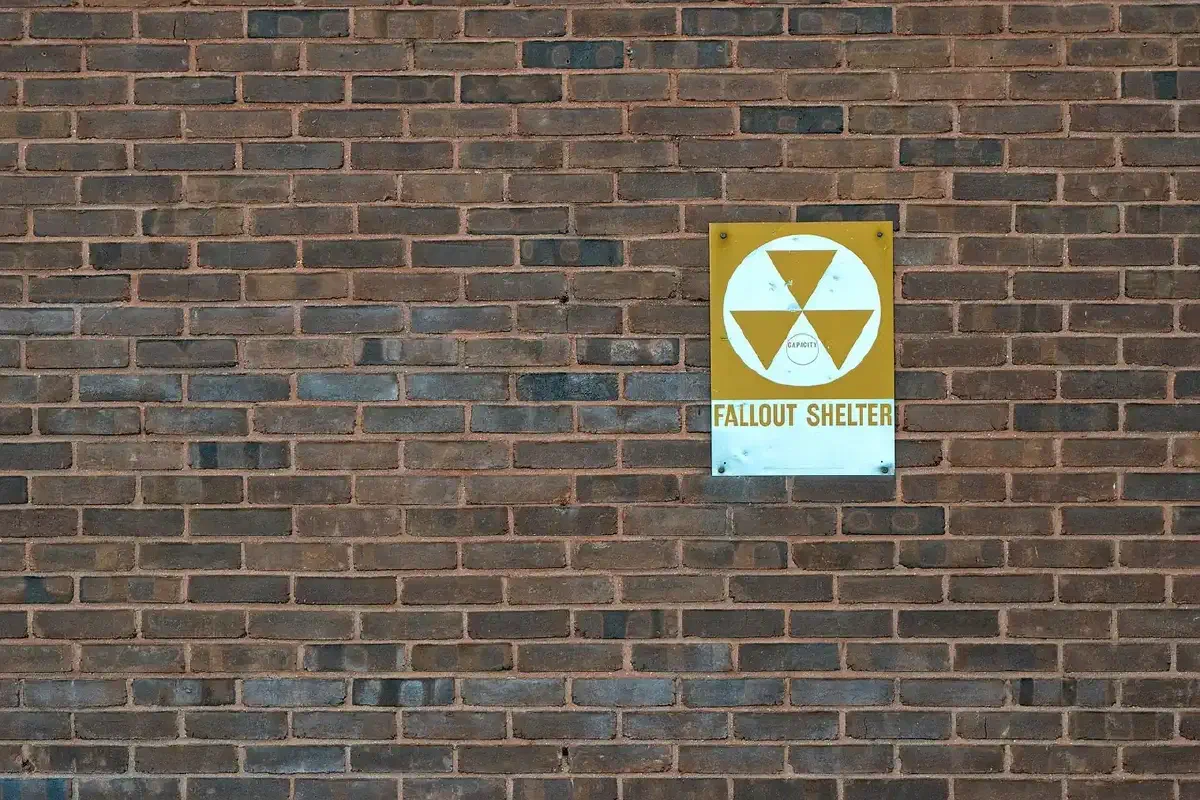
The Cold War is where most people place the beginning of modern prepping, and for good reason. With the threat of nuclear attack hanging over daily life, families looked for ways to protect themselves. Government initiatives and advice promoted building fallout shelters, designed to provide refuge from a nuclear blast and the radiation that followed. Stockpiling food and water was the other standard strategy, since those supplies would be essential in a world after an attack.
the shift to natural disasters #
When the nuclear threat faded, attention turned to natural disasters. Communities saw the damage done by hurricanes, earthquakes and other catastrophic events, and the value of emergency preparedness became hard to ignore. The prepping subculture grew during these years, with people sharing strategies, techniques and resources. The popular approaches of the period were simple ones that still hold up: assembling emergency kits, storing non-perishable food and learning basic survival skills.
Several moments pushed the culture along.
Y2K. Around the turn of the millennium, many people feared computer systems would crash and cause societal collapse, and they stocked up on food, water and supplies. The predicted catastrophe didn’t happen, but the scare raised awareness about being ready for unforeseen events.
September 11, 2001. The attacks were a wake-up call for many Americans. The sense of vulnerability renewed interest in emergency preparedness, self-defense and survival skills, and shifted the cultural mindset toward anticipating threats.
The 2008 financial crisis. Collapsing financial institutions and rising unemployment made people question the stability of the world around them. They prepared for economic downturns by investing in precious metals, learning self-sufficiency skills and exploring alternative sources of income.
Key figures and communities #
John “Jack” Pugsley was an important figure in the survivalist movement of the late 20th century. He promoted self-reliance and preparedness through his book The Alpha Strategy and his newsletter The Pugsley Report, and his ideas moved many readers toward self-sufficiency.
Survivalist and prepper groups carried the movement forward. They offer community, knowledge sharing and practical skills training, and they often organize workshops, conferences and meetups. That camaraderie helps people refine their efforts and keeps them at it.
The digital age #
Technology has changed prepping in several ways. Apps and online resources now offer guidance on building emergency plans, tracking supplies and learning survival skills. Social media lets preppers connect, share experiences and build supportive communities. Information that once required a bookstore or a mentor is available instantly.
Communication tools have improved too: instant messaging, social platforms and emergency alert systems keep people informed and connected during a crisis, supplying real-time information and helping coordinate responses. Solar panels, portable solar-powered chargers and generators let people produce their own electricity and keep essential devices running even in remote places. Smart home systems add remote control and monitoring of security, temperature and energy use.
Climate change and sustainable prepping #
Rising concern about climate change has pushed prepping in a new direction. More frequent and intense extreme weather and rising sea levels mean preparations now include floods, droughts and heatwaves. Many preppers adopt climate-resilient practices such as rainwater harvesting, sustainable gardening and energy conservation. The challenge is that the effects of climate change are complex and interconnected, which makes them hard to predict and hard to prepare for.
Prepping as a lifestyle #
For many people, prepping has grown beyond a safety precaution into a way of life. It shows up as sustainable living and a focus on self-sufficiency, often including homesteading, where people try to live off the land and cut their reliance on outside resources. Solar power and wind turbines reduce dependence on the electrical grid, and gardening and sustainable farming provide their own food.
Tactics have evolved as well. Bug-out bags, or go-bags, are portable kits with food, water, first aid supplies, clothing and important documents for a quick evacuation. They’re paired with emergency plans that lay out evacuation routes, communication strategies and meeting points.
Community is a growing part of the picture. Mutual-aid networks, neighborhood emergency response teams and community preparedness plans let individuals pool resources, knowledge and skills. The strength in numbers improves collective resilience.
An industry grows up #
Demand created a market. Companies sell long-term food storage such as freeze-dried meals and canned goods, along with emergency kits that include first aid supplies, water filtration systems and communication devices. Gear ranges from survival knives to portable shelters, built to hold up in harsh conditions. Education has followed: classes, workshops and online courses teach first aid, self-defense, wilderness survival and food preservation, which helps people build real competence rather than just a pile of gear.
Psychology, stereotypes and criticism #
People prepare for psychological reasons as well as practical ones. Fear, anxiety and a need for control in uncertain times are common motivators, and having a plan can be a healthy way to manage worry about possible disasters. Not every prepper holds extreme beliefs or behaves irrationally, though.
Popular culture hasn’t helped. Films such as Mad Max and The Road show post-apocalyptic worlds where survival depends on preparation, and Doomsday Preppers put real strategies on TV. Novels like Cormac McCarthy’s The Road and James Wesley Rawles’ Patriots: Surviving the Coming Collapse do similar work in fiction, and games such as Fallout and DayZ turn survival decision-making into play. These media raised public awareness, but the coverage often focuses on extreme cases and paints preppers as paranoid or delusional. That ignores the diversity of the community and the practical, responsible nature of most preparation.
Critics sometimes call preppers hoarders. Excessive hoarding exists, but it doesn’t describe most people who prepare, and prepping is driven by a desire to be ready, not by fear alone. Others say modern conveniences make it unnecessary. Prepping answers that by aiming past momentary inconveniences toward self-reliant people who can handle a range of challenges. As prepping has gone more mainstream, public perception has slowly shifted toward seeing it as a legitimate, practical approach.
Where it goes from here #
Future risks such as pandemics, cyber-attacks and geopolitical instability will shape prepping strategies. Advances in renewable energy, water purification and communication systems will matter, and sustainable practices will become more important as climate change and environmental impact remain central concerns. Emerging technologies like artificial intelligence, nanotechnology and genetic engineering bring both opportunities and threats, such as cyberattacks or misuse of advanced tools, so preppers will need to stay informed and adapt. Climate pressures may push more people toward water conservation, reforestation and resilient infrastructure to protect their communities.
The long view suggests that prepping will keep moving toward the mainstream, as education and resources spread and the idea of being prepared is seen less as a fringe movement and more as a responsible way to live. The threats change, from the bomb to the storm to the grid failure, but the need to prepare for uncertain times stays constant.
Related reading: Getting started with prepping; The Future Of Prepping: Trends And Predictions