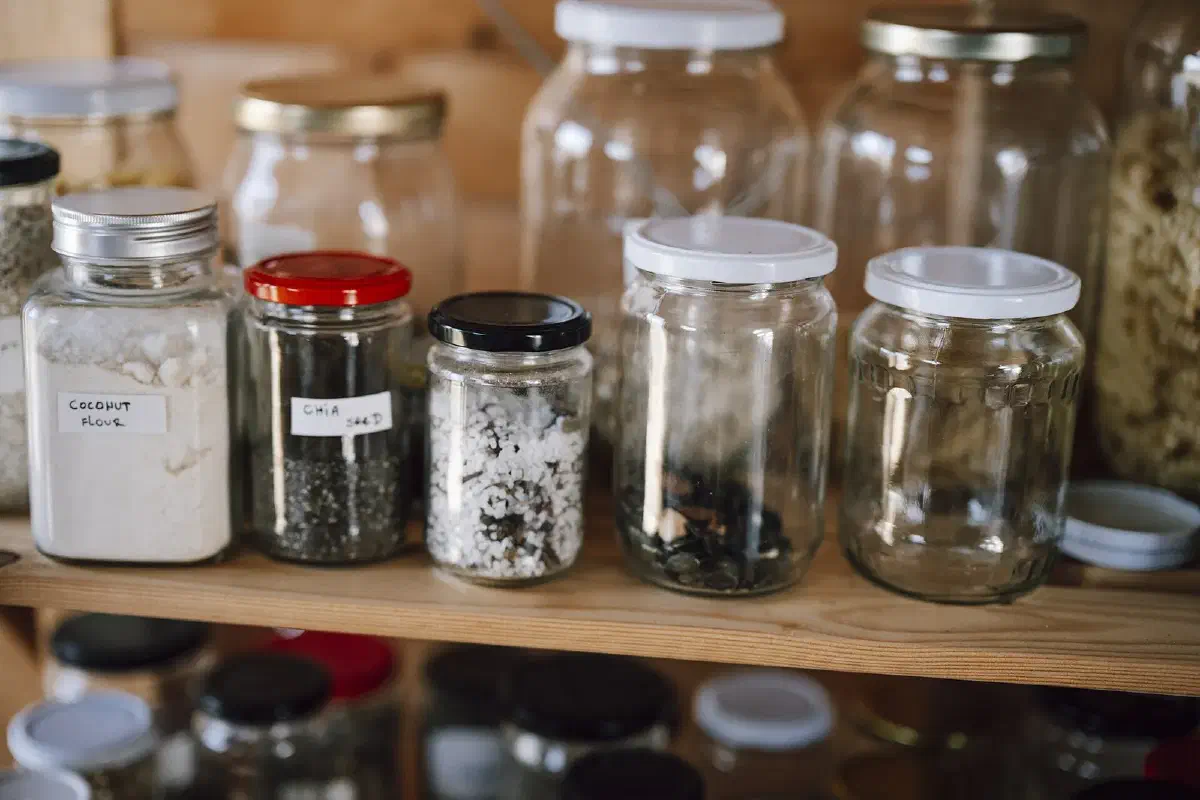
A stockpile you cannot find your way around is only half a stockpile. If you have ever had to dig through piles of boxes to find a flashlight or a can opener, you know the problem. Under stress, in the dark, with the family waiting, it is a bigger one. Good organization saves time and energy when you can least spare them. It also stops you buying a fifth tin of beans because you had no idea what was on the shelf.
This guide covers the two halves of the job: how to store your gear so you can reach it, and how to keep a record of it so you know what you have and what is about to expire.
Start with a baseline #
Before you move anything, work out what you need and what you have. Think about the number of people in your household, any dietary or medical needs, and the sort of emergencies you are preparing for. Then go through everything you own and write it down, including expiry dates on anything perishable. Two things come out of that: a clear picture of what is on hand, and a list of gaps and items that need replacing.
Sort supplies into categories #
Group your supplies by type: food, water, shelter, medical supplies, tools and equipment are the usual categories. Choose a scheme that makes sense to you, whether that is by shelf, by room, or by emergency type, because the aim is that you can find what you want quickly in a high-stress moment.
Set up the storage #
Give every category a designated place. Shelves, bins, containers and labels keep things tidy, and an item with a home does not turn into clutter. Some principles help.
Use clear containers. You can see what is inside without opening them, which saves effort, and it is easy to spot when something is running low.
Label everything. Mark each container, shelf or bin with its contents, and write expiry dates on it too. A label maker, masking tape and a permanent marker all work. Labels spare you from opening several containers to find one thing.
Store by access. Keep the items you may need in a hurry, or use often, within easy reach. Things you will rarely touch can go further back or higher up. Stackable bins, hanging organizers and shelving make the most of vertical space and keep supplies off the floor. If you swap seasonal items, rotate them so the current ones are the easiest to reach.
Control the environment. Store supplies in a cool, dry place away from direct sunlight and moisture. Some items, such as food and medication, are more sensitive to temperature and humidity. A pantry, cellar or temperature-controlled room can preserve them, but check temperature and humidity regularly. Look over the storage area now and then for damage or signs of infestation, and deal with it quickly.
Plan for the long term. For bulk food, grains and seeds with a long shelf life, consider Mylar bags, vacuum sealers, oxygen absorbers and food-grade buckets. Rotate long-term stores periodically so they stay fresh.
Keep bug-out bags ready. A bug-out bag is a compact, portable kit with what you need to survive at least 72 hours. Make one for each person in the household, keep them in accessible spots, and review them regularly.
Rotate with first in, first out #
First in, first out (FIFO) is standard practice in food storage and works for the rest of your supplies. Use the oldest items first, and when you restock, put new items behind the older ones so nothing gets overlooked. Combine it with a rotation schedule: check expiry dates regularly, use up and replace items before they expire, and track dates in a spreadsheet or calendar with reminders.
Keep an inventory list #
A written inventory is what ties everything together. Record each supply with its quantity, expiry date and storage location, and update it whenever you add or use something. You can add the cost of each item, where you bought it, and any special instructions. That helps you track spending and see where you can save.
A spreadsheet or notebook is enough. If you prefer an app, a few options are:
- Sortly. A simple, intuitive app for categorizing items, adding photos and notes, and setting expiry reminders.
- Home Inventory. Lets you build detailed lists, record warranty information, and produce reports for insurance purposes.
- Stock Control. A barcode-scanning app for managing quantities and generating alerts when stock is low.
A barcode scanner makes entering new items quicker. Cloud storage means your list is available from anywhere, so you can check it on the go and make changes.
Audit regularly #
A list is only useful if it is accurate. Set aside time each month for an audit: check for missing or expired items, update quantities, and note what needs replacing. Use the audit to reorganize and adjust the storage system, since that stops confusion and clutter from building up. In between, a quick weekly look at your supplies and your list keeps small problems from becoming big ones.
Replace what you use #
Decide how you will restock, so you never run out of something critical. Make a list of essential items that need replacing immediately after use or when they fall to a set quantity. Set reminders or alerts for low stock, and give yourself a restocking budget so the money is there when it is needed. A routine restocking schedule works well. Where supplies are used regularly, replenish as you go.
What an inventory entry looks like #
Keep entries short enough that you will actually fill them in. A good line has five parts: the item, the quantity, the expiry date, where it lives, and a note. For example, “Canned chili, 12, March 2027, garage shelf B2, family favourite” tells you everything you need at a glance, and sorting the sheet by expiry date turns it into a shopping and rotation list. If you track cost as well, add a column for the price paid. Over a year that column shows where the money is going.
A simple monthly audit routine #
If a full audit sounds like an afternoon you will never find, break it into a fixed routine and it takes much less time:
- Pull the inventory list and sort it by expiry date.
- Walk the shelves with the list, checking the soonest-expiring items first.
- Move anything close to its date to the front, and use it in meals or replace it.
- Count the categories that run down fastest, usually water, batteries, first aid supplies and medication.
- Note what to buy, then update the list before you put anything back.
- Look for damp, damage, leaks and pests as you go.
Finish by checking that bug-out bags and the car kit are still packed and in date.
Common storage problems and their fixes #
Most failures come down to a handful of causes. Heat shortens shelf life, so avoid attics and uninsulated sheds. Damp ruins packaging and rusts tools, so keep containers off concrete floors and add moisture absorbers where you can. Pests get into cardboard and thin plastic, so move food into sealed containers. Light degrades some plastics and fades labels, so store things in the dark or in opaque bins. And when a shelf is so full that you cannot see the back, things get forgotten, so leave some space and keep the heaviest items low.
Share the job #
If you prep as a household, everyone should know where supplies are and how to reach them. Hold regular short meetings about what is needed, update the lists and assign responsibilities. Let family members help with audits, restocking and rotation. Agree on how you will communicate in an emergency and who does what.
Make the system yours #
No two preppers need the same arrangement. Try different containers, labelling methods and tracking tools, and keep what works for your home and your habits. Be willing to adjust as your supplies grow and your circumstances change. Stay aware of expiry dates, product recalls and changes in your own needs, and adapt the inventory to match.
The best system is the one you will actually keep up. A small, accurate, well-labelled stockpile that you maintain will serve you better than a large one that nobody understands.
Related reading: Getting started with prepping