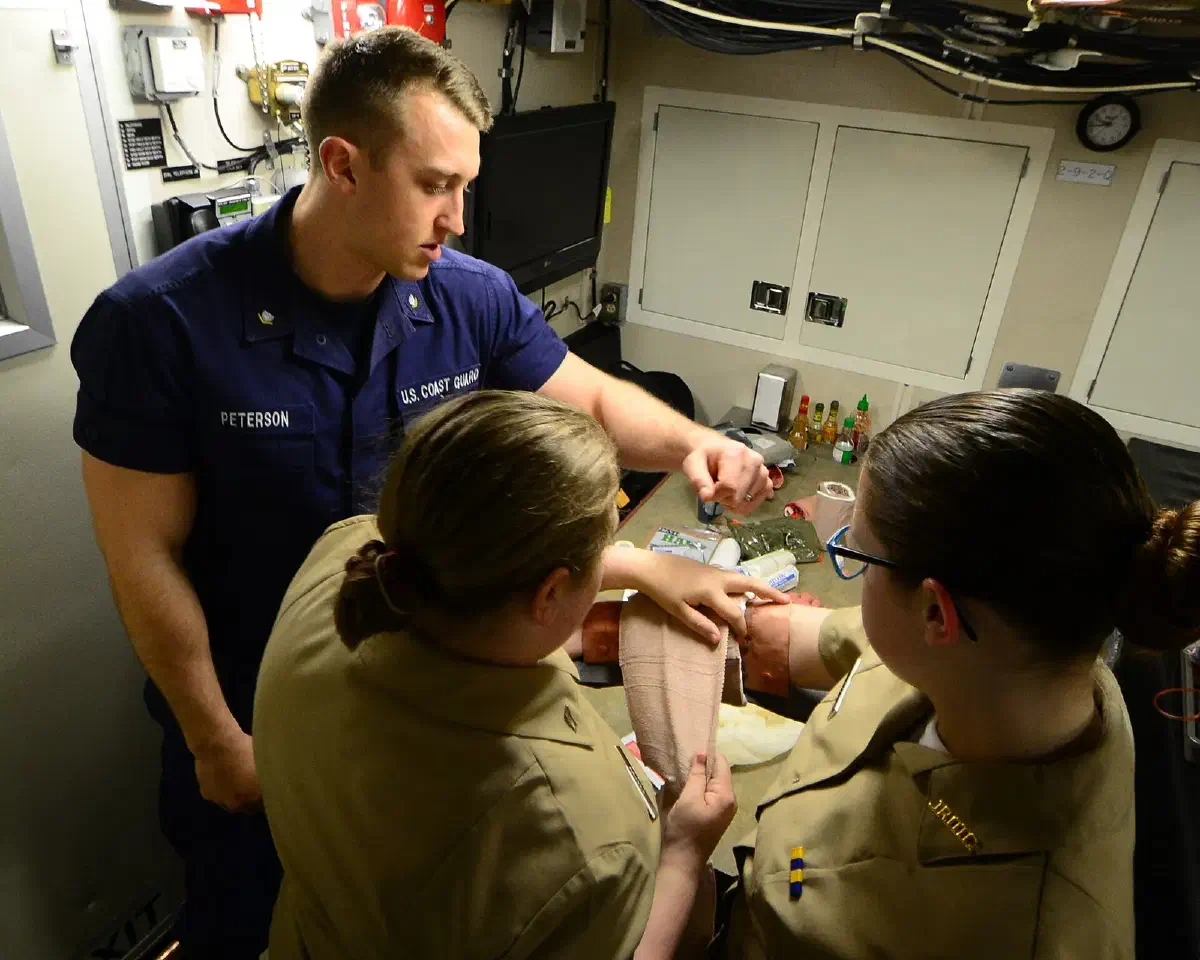
Stockpiles and plans go stale if you never test them. Techniques change, gear gets updated, and skills fade without practice. Ongoing training and study keep you ready to protect yourself and your loved ones when something goes wrong.
You may have already stocked up on supplies, secured your home, and made a plan for any disaster that comes your way. Supplies and plans only work if you can use them under stress, and that takes ongoing education and practice. Here is why it matters and how to build it into your routine.
Why should you continue to learn and train in prepping?
Continuous learning and training in prepping are crucial for several reasons. As situations and threats evolve, so should your knowledge and skills. By staying informed and practicing regularly, you can adapt to new challenges, improve your efficiency, and enhance your overall readiness.
Stay updated with the latest information #
Staying informed and up-to-date with the latest developments in the prepping world is essential. New technologies, techniques, and strategies are constantly being developed to help enhance preparedness. By continuously learning and seeking out new information, you can stay ahead of the curve and ensure that you are well-equipped to handle any situation that may arise.
Practice makes perfect #
Just like any other skill, prepping requires practice to maintain proficiency. By regularly training and honing your skills, you can ensure that you are ready to spring into action when needed. From first aid and self-defense to food preservation and shelter construction, consistent practice will help you become more confident and efficient in your preparedness efforts.
How can you incorporate continuous learning and training into your prepping routine?
Finding ways to incorporate continuous learning and training into your prepping routine doesn’t have to be complicated. Here are a few simple strategies to help you stay informed and sharpen your skills:
Attend workshops and training sessions #
One of the best ways to expand your knowledge and skills in prepping is by attending workshops and training sessions. Local community centers, outdoor stores, and prepping organizations often offer classes on a variety of topics, such as first aid, wilderness survival, and emergency preparedness. These hands-on experiences can provide you with valuable information and practical skills that you can apply in real-life situations.
Join online forums and discussion groups #
The internet is a treasure trove of information for preppers. By joining online forums and discussion groups dedicated to prepping, you can connect with like-minded individuals, share experiences, and learn from others’ expertise. These platforms can also be a great resource for asking questions, seeking advice, and staying updated on the latest trends in the prepping community.
Practice regularly #
Regular practice is key to maintaining your skills and readiness in prepping. Set aside time each week to practice various scenarios, such as building a shelter, starting a fire, or administering first aid. By repeating these tasks regularly, you can build muscle memory, improve your efficiency, and boost your confidence in your abilities.
The benefits of continuous learning and training in prepping #
The benefits of continuous learning and training in prepping are numerous and far-reaching. By investing time and effort into expanding your knowledge and honing your skills, you can enjoy the following advantages:
Improved preparedness #
Continuous learning and training can significantly enhance your preparedness for any situation that may arise. By staying informed and practicing regularly, you can be better equipped to handle emergencies, mitigate risks, and protect yourself and your loved ones.
Increased confidence #
Regular practice and education in prepping can help boost your confidence in your abilities. Knowing that you have the skills and knowledge to handle a crisis can provide you with peace of mind and a sense of empowerment. This confidence can translate into a calmer and more collected response during emergencies.
Enhanced problem-solving skills #
Continuous learning and training in prepping can help sharpen your problem-solving skills. By regularly practicing different scenarios and thinking through potential challenges, you can develop the ability to think quickly on your feet and come up with creative solutions to complex problems.
Building a community #
Engaging in continuous learning and training in prepping can also help you build a community of like-minded individuals. By attending workshops, joining online forums, and participating in training sessions, you can connect with others who share your passion for preparedness. These connections can provide you with support, advice, and valuable insights that can enhance your overall readiness.
Conclusion #
In conclusion, continuous learning and training are essential components of prepping. By staying informed, practicing regularly, and honing your skills, you can improve your preparedness, boost your confidence, and enhance your problem-solving abilities. Incorporating these strategies into your prepping routine can help you stay one step ahead and ensure that you are ready to face any challenge that may come your way. Keep learning, keep practicing, and stay prepared!
Related reading: Getting started with prepping; The 15 Best Survival Books Ever Written; Essential Books Every Prepper Should Read