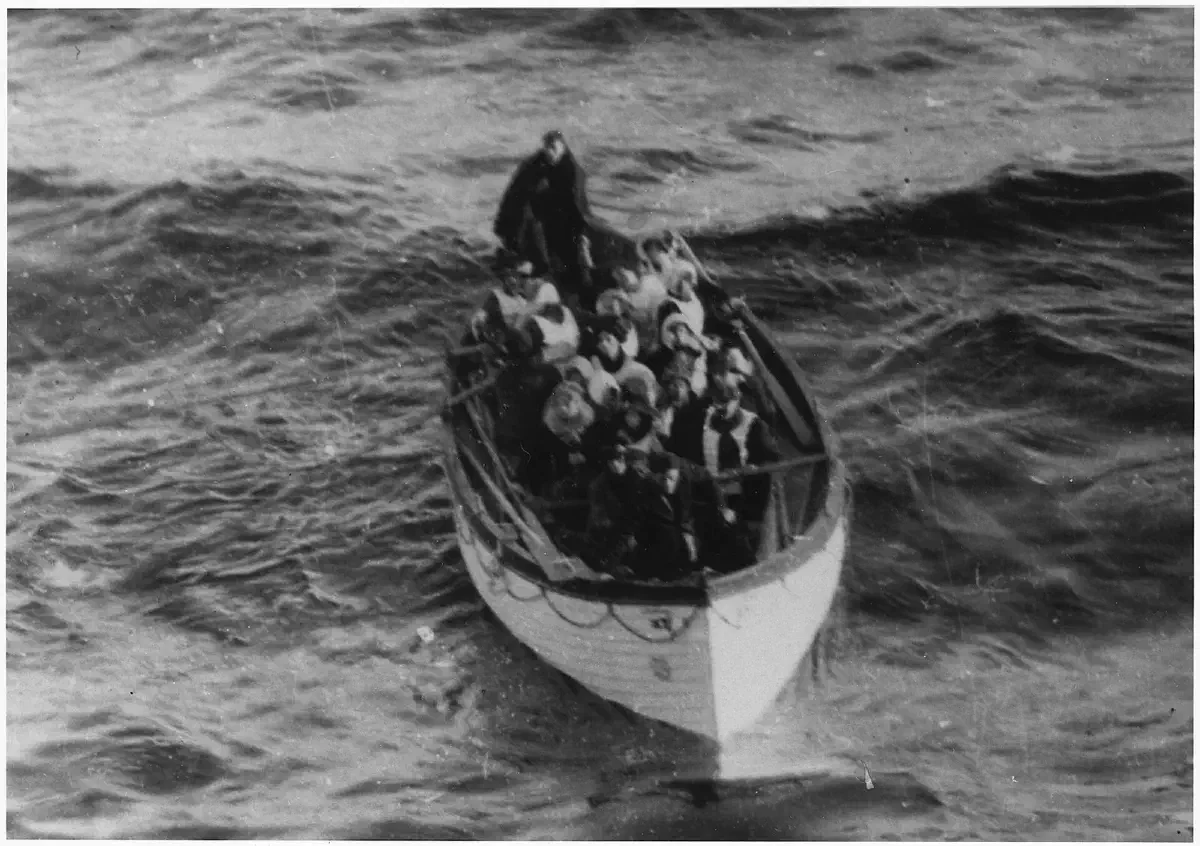
Picture yourself stranded with a small group, limited supplies and no way to call for help. Someone has to decide how the food is divided, who goes for water in bad weather, and what happens if one person is slowing everyone down. No checklist covers these choices. They are moral choices, and the time to think about them is before you are in the middle of one.
What makes a survival decision an ethical dilemma #
An ethical dilemma arises when you must choose between conflicting moral principles. In survival situations the most common conflict is between self-preservation and the welfare of others. It is natural to put your own survival first, and nobody should be shamed for that instinct. But in a group the consequences of your choices reach everyone, so serious deliberation, and empathy for fellow survivors, is part of the job.
Emergencies also push people into responsibilities that clash with their personal beliefs. You may have to make a call that goes against your principles because it keeps yourself or others alive. Understanding in advance what you consider non-negotiable, and where you could bend, makes those moments less paralyzing.
Three frameworks for thinking it through #
Ethical frameworks give a structured way to analyze a dilemma instead of reacting on impulse. Three are especially useful.
Utilitarianism says the right choice maximizes overall well-being or minimizes suffering. In a survival scenario it points toward giving resources to the people who will benefit most and have the best chance of surviving, including those with critical skills such as medical knowledge or hunting ability.
Deontology focuses on duties and moral rules regardless of outcome. It tends to prioritize the vulnerable, such as children or elderly members, whatever their odds, because protecting them is a moral obligation.
Virtue ethics asks what a person of good character would do. Compassion, courage, fairness and wisdom guide the choice, and the decision-maker’s integrity matters as much as the result.
The classic illustration is the trolley problem. A runaway trolley will kill five people unless you pull a lever that diverts it onto a track where it will kill one. Most people feel the pull of the utilitarian answer, save five, and also the weight of the deontological objection, that deliberately causing a death is different from allowing one. The point isn’t to settle the puzzle. It’s to notice that your own intuitions pull in two directions, and that other people’s intuitions will too. A group that has talked through this kind of tension beforehand argues less when the real thing comes.
None of these frameworks gives clean answers, and they often conflict. They are most useful as a set of questions: What outcome helps the most people? What duties do I owe, and to whom? What would I be proud to have done?
The pressures that distort judgment #
Even people with sound values decide badly under stress. Three factors deserve attention.
- Psychology. Fear, stress and cognitive biases heighten emotional responses and cloud judgment. Recognizing that you are scared, and slowing down, improves your decisions. Deep breathing and a short pause before a major choice are cheap and effective.
- Culture and religion. Cultural norms and religious teaching shape how people weigh self-interest against collective welfare. In a mixed group, expect different instincts about fairness, hierarchy and sacrifice, and make room for that. Those beliefs can also give people moral guidance and strength.
- Group dynamics. Leaders and strong personalities steer outcomes. A good leader gives direction, promotes unity and upholds ethical values that put the group’s well-being first, using clear communication and empathy.
Resources, fairness and accountability #
Some of the hardest dilemmas concern scarce resources. Factors that commonly come into play include scarcity, the survival odds of each person, urgent medical needs, dependents such as children or elderly relatives, and the long-term effect on the whole community. No formula weighs them correctly, which is why transparency matters. Rules agreed in advance, explained openly and applied to everyone including the decision-maker, are far easier to live with than ones invented under duress.
Other recurring problems include rationing, conflict over distribution, and the moral distress that decision-makers feel when the choices affect others’ survival. Plan for that distress. Talk with someone about it, and don’t carry it alone. Accountability helps: a group in which decisions are explained and can be questioned is less likely to slide into abuse.
A worked example #
Take the stranded-on-an-island scenario with limited food, water and shelter. A group of six has supplies for four days of normal rationing and no idea when rescue will arrive. One member is a nurse, one is a teenager, one has a broken ankle, and the rest are healthy adults.
A utilitarian reading might give the nurse and the strongest members a larger share, since keeping them functional keeps everyone alive. A deontologist would point out that the teenager and the injured person are the most vulnerable, and that this creates a duty to them whatever their odds. A virtue-ethics view asks what kind of group you want to be if rescue comes on day ten: one that abandoned its weakest member, or one that stayed together.
In practice most groups land on a blend. Everyone gets a baseline ration, the injured get priority for water and rest, people with critical skills are protected from exhaustion, and the rules are stated aloud so nobody suspects favoritism. The decision isn’t pure under any framework, but it’s explicable, and explicability is what keeps trust intact while you wait.
Practices that support ethical decisions #
Talk it through. Open discussion of dilemmas and a willingness to hear different viewpoints help a group reach choices that most members can accept. Building trust and valuing diverse perspectives makes communication work under pressure.
Show moral courage. Standing up for what is right when it is hard, such as objecting to an unfair allocation or admitting a mistake, is the quality that holds a group together. Integrity means your actions stay consistent with your stated beliefs, even when doing so costs you.
Treat people with dignity. Honesty, compassion and respect are the baseline. Treating others decently even in adversity maintains your moral integrity and the values that define you.
Reflect afterward. Once the emergency is over, review your decisions and their effects on yourself and others. Honest reflection helps you learn, find where you need to grow and clarify your values for next time. Where you made a mistake, own it and repair what you can.
Prepare before it matters #
Preparation for ethical dilemmas is a real part of preparedness. You can:
- Decide your principles early. Write down how your household or group would handle rationing, shelter for outsiders and the sick or injured.
- Run scenarios. Discuss hypotheticals with your group, including the uncomfortable ones. This builds shared expectations.
- Assign roles and decision rules. Know who decides what, and how disagreements will be settled.
- Build the character you want to have. Compassion, courage and honesty are habits. They are strengthened by use in ordinary life.
- Learn from history. Accounts of past survival situations show both the worst and best of group behavior, and they make useful discussion material.
The bottom line #
Survival ethics aren’t about finding a perfect rule. They’re about staying human under pressure. Weigh the consequences, honor your duties, act as the person you want to be, and be willing to explain your reasoning to the people affected. When the path ahead is uncertain, trust your conscience, listen to others, and try to do what is right. The decisions you make in a crisis will stay with you afterward, so make them in a way you can live with.