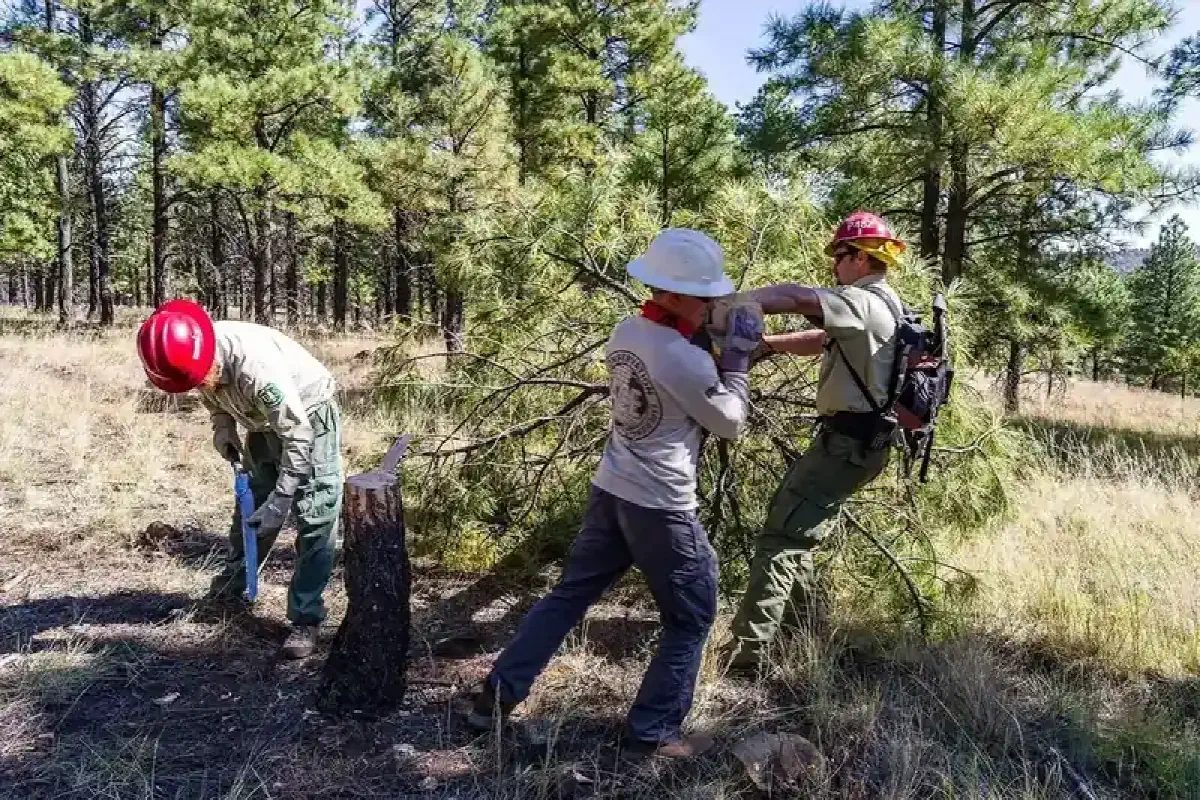
When a group is lost in the wilderness or sitting out a natural disaster, somebody ends up in charge, whether or not anyone decided it. The group that picks a capable leader, or at least a capable way of making decisions, tends to do better than the one that drifts. Leadership in these settings is less about giving orders than about getting a frightened, tired group of people to work toward the same goal.
What survival leadership is #
Leadership in a survival situation means guiding and motivating people toward the shared goal of staying safe and overcoming the challenge. It includes communication, decision-making, problem-solving, delegation and emotional intelligence. It also means keeping calm under pressure, thinking clearly and setting an example.
The core skills #
Communication. A leader has to convey information, instructions and expectations clearly enough that everyone understands them. In practice that means short, specific statements: who does what, by when, and what to do if it fails. It also means listening. A group that can’t speak up will hide problems until they’re serious. Communication is what coordinates the group, much as a radio ties together a team spread over a trail.
Decision-making. Quick, informed decisions can be the difference between life and death. A leader assesses risks, evaluates options and chooses a course of action under pressure, prioritizing tasks and weighing consequences. Decisions made while stressed benefit from a simple routine: gather the key facts, name the options, choose, explain the choice, and review it when conditions change. Being wrong occasionally is acceptable. Being frozen is not.
Problem-solving. Survival problems are complex and shifting. Good leaders think beyond the obvious, look at a problem from several angles and invite ideas from the group. Someone else may have the answer.
Delegation. No leader can do everything. Assigning tasks according to people’s strengths and expertise spreads the workload, protects the leader from exhaustion and gives others a stake in the outcome. Clear roles also improve coordination: each person knows what they’re responsible for and what is expected.
Emotional intelligence. Emotions run high in a crisis. A leader needs to understand and manage their own fear and read the mood of others, staying calm, composed and empathetic. A steady presence is contagious in a group, and so is panic.
The psychological qualities that matter #
Beyond skills, certain traits mark effective leaders in a crisis.
- Courage to make tough decisions and take necessary risks.
- Resilience to absorb setbacks and keep moving.
- Adaptability to adjust strategy when circumstances shift quickly.
- Empathy to build trust and cooperation by showing that others’ concerns matter.
- Clear communication, so that everyone is working toward the same goal.
Psychology matters because leading is largely a matter of understanding people: their fears, their motivations and the way stress changes behavior. A leader who knows why someone is withdrawing or snapping can respond with something better than irritation.
Building trust and cohesion #
Trust is the foundation of any team, and it’s earned through actions and decisions, not announced. Be honest about what you know and what you don’t. Keep promises. Admit mistakes quickly. People will follow someone whose word holds up.
Establish roles and responsibilities early so that nobody is unsure what to do. Foster unity and mutual support: a cohesive group overcomes obstacles that individuals acting alone cannot. When conflict comes, and under stress it will, address it promptly, listen to every perspective and look for solutions that serve the group instead of picking a winner.
Lead by example, and look after yourself #
People watch the leader. If you show courage, resilience and adaptability, others tend to copy it. If you cut corners on the shared workload or hoard comfort, they notice.
Leadership is also physically and mentally demanding, and a burned-out leader makes poor decisions. Take breaks, stay hydrated, rest when you can, and let others shoulder part of the load. Managing your own stress isn’t selfish; the group depends on your judgment.
Morale is part of the job as well. Celebrate small victories, such as a fire lit, a water source found or a shelter finished. Recognizing achievements, however small, gives a sense of progress and motivation. Positive thinking, focused on solutions and opportunities, helps maintain hope, though it should be grounded in a realistic assessment rather than forced cheer.
Choosing a style to fit the moment #
There isn’t one correct way to lead. When the situation is dangerous and time is short, such as a river crossing, a fire or an injury, a directive style is appropriate: one person gives clear instructions and the rest act. When the situation is stable and the problem is complicated, such as how to ration over a week or where to relocate, a consultative style works better. Ask for ideas, listen, then decide. Groups get into trouble when the leader uses the wrong style: debating while the water rises, or dictating when the group has useful knowledge to share.
Good leaders also separate the decision from the explanation. In an emergency, decide first and explain afterward. Once the pressure drops, tell people why you chose what you did and ask what they saw. That habit earns the credibility you’ll need for the next emergency order.
When leadership fails #
Leaders go wrong in predictable ways. Some freeze, putting off decisions until the options disappear. Some take over everything, wear themselves out and stop listening. Some play favorites, which wrecks trust faster than almost anything. Others hide bad news to avoid panic, and the group finds out anyway, later and angrier.
Build in protection. Agree beforehand that anyone may raise a safety concern, regardless of rank. Name a deputy who can step in if the leader is injured, exhausted or making poor calls, and say openly that leadership can be handed over. Leaders who can step aside gracefully tend to keep the group’s respect.
Developing the skills before you need them #
Leadership isn’t a gift handed out at birth. It develops through practice, experience and training. Some practical ways to build it:
- Take a leadership role in group activities or projects, even small ones, to practice decision-making, communication and problem-solving.
- Volunteer or join team-building exercises to improve collaboration.
- Read, attend workshops or take courses on leadership.
- Reflect on past difficult situations, and identify what you’d do differently.
- Ask peers, mentors or coaches for honest feedback on your style.
Treat it the way you would any other survival skill: learn it, practice it, and test it in low-stakes settings first. Like building a fire from scratch, it takes time and effort, but nothing else will carry a group as far.
A short field checklist for the person in charge #
- State the goal and the next step plainly.
- Assign roles by strength, and make sure everyone knows theirs.
- Make decisions, explain them and revisit them as conditions change.
- Check in with each member’s physical and emotional state.
- Settle conflicts quickly and fairly.
- Mark progress and celebrate it.
- Eat, drink and sleep, so you can keep doing all of the above.
Good leadership won’t make the situation easy. It makes the group’s chances better, and the effort is worth it. Ethics weigh on every leader, and making moral decisions in life-or-death situations is worth reading before you need it. If your group is only now getting organized, the getting started hub is a sensible first stop.