
If you have to leave home fast, a shelter you can set up in minutes matters more than a perfect one. A rapid-deployment bug-out shelter protects you and your family from the first night on. This article covers techniques for building one that goes up quickly when you need it most.
Why Build a Rapid-Deployment Bug-Out Shelter? Building a bug-out shelter that can be quickly deployed is essential for being prepared for emergencies such as natural disasters, civil unrest, or any situation that requires you to evacuate your home on short notice. Having a shelter ready to go can give you peace of mind and ensure that you have a safe place to go to in times of crisis.
Quick Assembly #
You never know when you might need to leave your home in a hurry, and having a bug-out shelter that can be quickly assembled can make all the difference in ensuring your safety. By following the right techniques, you can have a shelter ready to go in no time, giving you the peace of mind that you are prepared for any situation.
Protection and Safety #
A bug-out shelter provides you with a safe and secure place to go to when you need to evacuate your home quickly. By building a shelter that offers protection from the elements and potential threats, you can ensure the safety of yourself and your loved ones in times of emergency.
Choosing the Right Location #
The first step in building a bug-out shelter is choosing the right location. When selecting a location for your shelter, consider factors such as accessibility, proximity to resources, and safety from potential threats.
Accessibility #
Choose a location that is easily accessible by foot or vehicle, depending on your means of transportation in an emergency. You want to be able to reach your shelter quickly and without any obstacles in your way.
Proximity to Resources #
Ensure that your bug-out shelter is located close to essential resources such as water sources, food supplies, and medical facilities. Having access to these resources can be critical in ensuring your survival during an emergency situation.
Safety from Threats #
Select a location that is safe from potential threats such as floods, landslides, or other natural disasters. You want your bug-out shelter to be in a secure area that will not be easily compromised in times of crisis.
Shelter Design and Structure #
Once you have chosen the right location for your bug-out shelter, it’s time to focus on the design and structure of the shelter itself. The design of your shelter should be simple yet effective, providing you with the protection and comfort you need in times of emergency.
Shelter Type #
There are various types of shelters that can be quickly deployed, such as tents, tarps, or prefabricated structures. Choose a shelter type that is easy to assemble and transport while also providing adequate protection from the elements.
Size and Capacity #
Consider the number of people who will be using the bug-out shelter and choose a size that can accommodate everyone comfortably. You want to make sure that there is enough space for sleeping, storage, and other essential activities.
Ventilation and Insulation #
Proper ventilation and insulation are essential in ensuring the comfort and safety of those staying in the bug-out shelter. Make sure that your shelter design allows for airflow while also providing insulation from extreme temperatures.
Essential Supplies and Equipment #
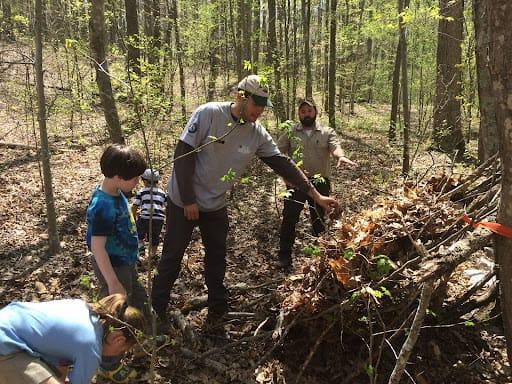
In addition to the shelter itself, you will need to have essential supplies and equipment on hand to make your bug-out shelter functional and comfortable. Stocking up on the right supplies can make all the difference in ensuring your safety and well-being during an emergency.
Food and Water #
Make sure to have an ample supply of non-perishable food and clean drinking water stored in your bug-out shelter. These supplies are essential for staying nourished and hydrated during an emergency situation.
First Aid Kit #
Keep a well-stocked first aid kit in your bug-out shelter to treat any injuries or medical emergencies that may arise. Make sure to include items such as bandages, antiseptics, medications, and other essentials.
Lighting and Communication #
Having reliable lighting and communication devices in your bug-out shelter is essential for staying connected and informed during an emergency. Consider items such as flashlights, batteries, solar chargers, and two-way radios.
Construction Techniques #
When building a rapid-deployment bug-out shelter, it’s essential to use construction techniques that allow for quick assembly and durability. By following the right techniques, you can ensure that your shelter is strong, reliable, and ready for use when needed.
Modular Construction #
Consider using modular construction techniques that allow you to assemble the shelter in sections that can be easily connected and secured. This approach can make it faster and more straightforward to set up your bug-out shelter without sacrificing strength or stability.
Lightweight Materials #
Choose lightweight and easily transportable materials for your bug-out shelter to make assembly and transportation more manageable. Materials such as nylon, aluminum, and PVC are lightweight yet durable, making them ideal for rapid-deployment shelters.
Waterproofing and Weatherproofing #
Ensure that your bug-out shelter is waterproof and weatherproof by using materials and coatings that provide protection from the elements. Waterproof tarps, seam sealers, and protective sprays can help keep your shelter dry and secure in all weather conditions.
Maintenance and Upkeep #
Once your bug-out shelter is constructed, it’s essential to regularly maintain and upkeep the shelter to ensure its longevity and functionality. By following simple maintenance practices, you can extend the life of your shelter and ensure that it will be ready for immediate use when needed.
Inspections and Repairs #
Regularly inspect your bug-out shelter for any signs of wear and tear, damage, or structural issues. Make any necessary repairs promptly to prevent further damage and ensure the shelter’s reliability in times of emergency.
Cleaning and Storage #
Keep your bug-out shelter clean and organized by removing debris, dirt, and other contaminants regularly. Store your shelter in a dry and secure location when not in use to prevent damage from moisture, pests, or other hazards.
Emergency Drills and Practice #
Conduct regular emergency drills and practice assembling your bug-out shelter to familiarize yourself with the process and ensure that you can set up the shelter quickly and efficiently during an actual emergency. Practice will help you identify any issues or challenges and make necessary adjustments for better preparedness.
Conclusion #
Building a rapid-deployment bug-out shelter is a crucial step in being prepared for emergencies and ensuring the safety and well-being of yourself and your loved ones. By following the techniques outlined in this article, you can construct a shelter that is quick to assemble, durable, and reliable in times of crisis. Remember to choose the right location, design a suitable shelter, stock up on essential supplies, use proper construction techniques, and maintain the shelter regularly to be prepared for any unexpected situations. Stay safe and be prepared! More on moving, sheltering and improvising is collected in survival skills.