Survival gear has always been a record of what people could make and what they were afraid of. A flaked stone blade, a forged hatchet and a ceramic water filter each tell you something about the materials on hand and the problem somebody needed to solve. The same thing is happening now, only faster, and it matters to anyone building a kit because the choices in front of you have multiplied. This piece looks at where gear came from, what recent changes have actually improved, where the technology looks to be heading, and how to pick gear without being sold on novelty.
Where survival gear came from #
The earliest kits were made from whatever was close: stone, wood and animal bone. Those tools were used for hunting, fishing, gathering food and building shelter, and the person who owned them usually made them. Skill and gear were the same thing.
As settled societies grew, tools became more standardized. Knives, axes and fire starters turned into trade goods carried by explorers, hunters and soldiers. They were durable and versatile, and a lot of them look familiar today. A good fixed-blade knife is still, in broad terms, a very old idea.
The modern shift is that gear now comes from engineering rather than craft. GPS units, water filtration systems, solar-powered gadgets and compact emergency shelters all exist because materials science and electronics got cheap and small enough to put in a pack. Some of that is a real improvement. Some of it is a tool that works well on a product page and badly at three in the morning in a power cut.
What innovation has improved in practice #
Three gains show up again and again when you compare current gear to what your parents might have kept in a closet.
Performance in bad conditions. Better materials and design let gear keep working in a blizzard, a flood or a long blackout. Stainless steel, aluminum and reinforced plastics resist the corrosion, impact and temperature swings that wrecked cheaper equipment. The point of a survival item is that it works on the worst day, so this is the gain that counts.
Weight and bulk. Every ounce and every inch of pack space has a cost when you are on foot. Lighter alloys, thinner fabrics and compact electronics let you carry the same capability in a smaller package. A foil emergency blanket folds to the size of a deck of cards, and a modern headlamp replaces a flashlight and a free hand.
Doing more than one job. Multi-tool kits combine a knife, saw, screwdriver and can opener in one carry. That is useful, with a caveat: a combined tool is nearly always a compromise on each function. It earns its place when weight is the constraint, not when you have a vehicle and a garage.
Gear and supplies that have changed most #
On the equipment side, a few categories have changed more than the rest:
- Solar-powered devices. Lanterns, flashlights and panels that charge phones and radios mean a long outage no longer ends when the batteries do. They are slow, so plan to charge during the day and use the output at night.
- Portable water filtration. Compact filters can make water from a stream or lake drinkable without boiling it, which saves fuel and time. Check what each filter actually removes, since filters differ on bacteria, protozoa and viruses.
- Medical kits. Compact first aid kits now include advanced wound care materials that were once found only in professional bags.
- Communication. Two-way radios and satellite phones keep you in contact with family and let you receive emergency information when cell service is down. A hand-crank or solar radio that picks up NOAA weather bands is still the cheapest piece of this puzzle.
- Food storage. Freeze-dried meals and vacuum-sealed containers have made it far easier to keep food for long stretches without it going bad.
Where gear is heading #
Several developments are still early, but they point somewhere sensible.
Smart gear #
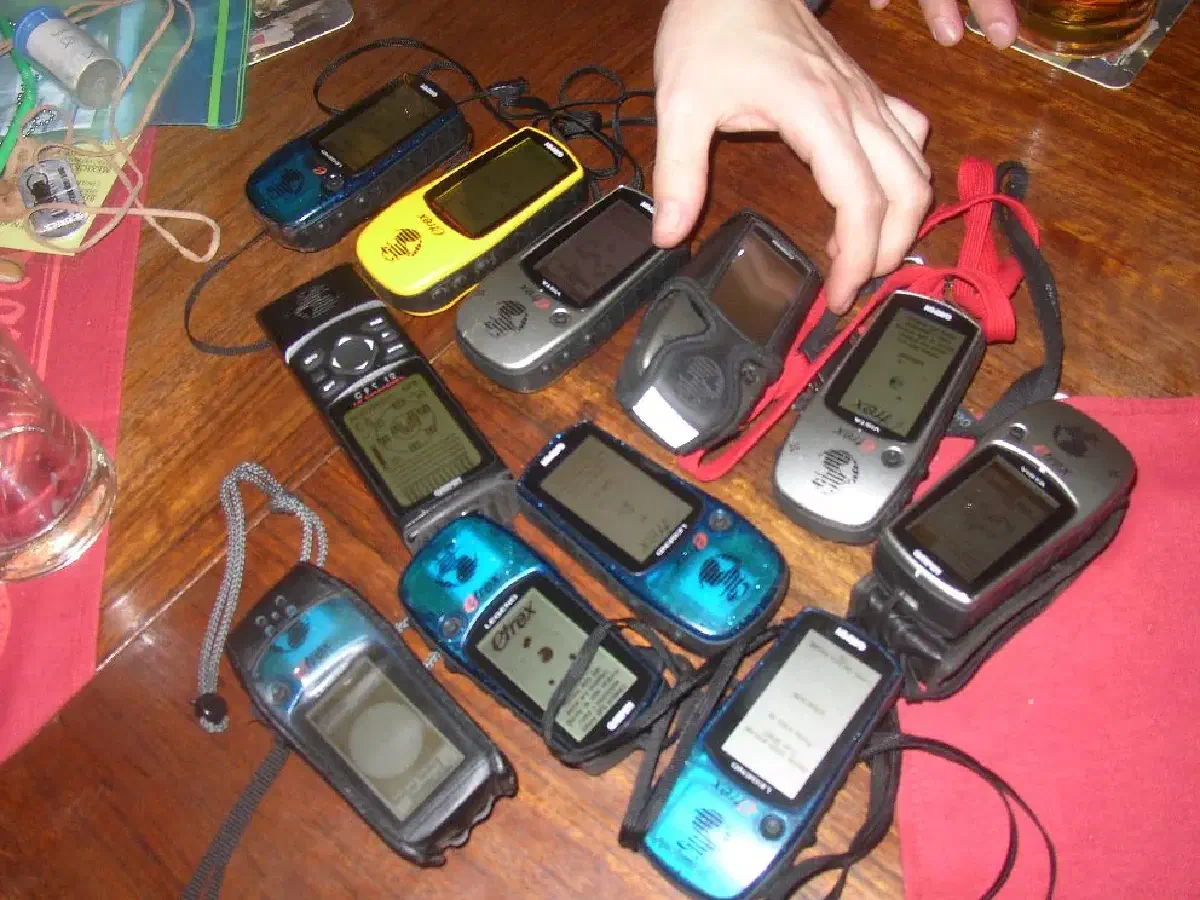
Picture a GPS device that tracks your position, reads your vital signs and sends a distress signal when you stop moving. Sensors, communication hardware and onboard software are moving into gear that used to be passive. The benefit is a faster rescue and better information. The cost is batteries, firmware and one more thing that can fail, so treat smart gear as an addition to a compass and paper map, never a replacement.
Biodegradable materials #
Concern about environmental damage is pushing manufacturers toward bioplastics, bamboo fibers and mycelium-based materials. For survival gear this matters most for disposable or single-season items. Whether these materials can match the toughness of metal and synthetic fabrics under load is still an open question, so look for field results, not marketing language.
3D printing #
3D printing makes it practical to produce custom parts on demand: a bracket for a broken pack frame, a replacement clip, a handle shaped to your hand. Some people expect it to make personalized medical kits and tailored shelter components possible. For now its biggest value for preppers is replacing small broken parts, as long as you have power and a printer.
Why innovation matters to a prepper #
The strongest case for new gear comes down to three qualities.
Reliability and durability. Well-made modern gear is designed to take abuse and keep working. You pay more up front and you trust it more when it matters.
Efficiency and convenience. Compact, lightweight designs and sensible features make it easier to stay organized. A kit you can find in the dark and pack in five minutes is a kit you will actually take with you.
Resilience and adaptability. Versatile tools and supplies that serve more than one purpose make you less dependent on any single item. If one thing breaks or goes missing, you can improvise with another.
The catch with high-tech gear #
Powered gear introduces a dependency the old tools did not have. A solar lantern needs sun, a radio needs a charge, a GPS needs a signal or a downloaded map, and a satellite phone needs a clear view of the sky and a working battery. In a long emergency those conditions can fail together.
Plan accordingly. Keep a spare power source for each powered item, such as extra batteries, a crank charger or a small solar panel. Carry a non-electronic backup for anything critical: a compass and paper map beside the GPS, a whistle beside the beacon, a way to boil water beside the filter. Store electronics where they stay dry, and test them every few months. A device that sat in a drawer through two winters may have a dead cell.
This is also where simple supply innovations help. Long-term food that needs only hot water, or a vacuum-sealed pantry that resists moisture and pests, adds resilience without adding a single battery.
How to choose gear without chasing gadgets #
New does not mean better. These checks keep you honest.
- Start with your needs. A weekend camping trip, a backcountry route and a house-bound storm response all call for different things. Write down the situations you are actually likely to face before you shop.
- Check durability. Look for stainless steel, aluminum and reinforced plastics, and read about how gear holds up under rough handling and temperature extremes.
- Check versatility. A multi-tool with interchangeable components, or a pack with modular pockets, can adapt to several situations. Ask whether the combined function is actually good enough.
- Test and practice. Use every piece in conditions as close to real as you can manage. Learn how it works while you are calm, dry and well fed. You will find problems that no review mentions.
- Stay informed. Follow reputable manufacturers, forums and blogs to see what has changed, and let other people’s long-term wear reports guide you before you spend.
A practical way to think about it #
Innovation is useful when it removes weight, adds reliability or covers a gap in your kit. It is a distraction when it replaces a simple tool that already worked. Keep the proven basics (a knife, cordage, a fire starter, a way to purify water and a light) and use new technology to improve the places where your current kit is weakest. If you can name the specific problem a new item solves, buy it. If the best argument for it is that it is new, leave it on the shelf.
For related reading, see solar-powered gear, survival gear checklist, best prepper gear, and the survival skills hub.