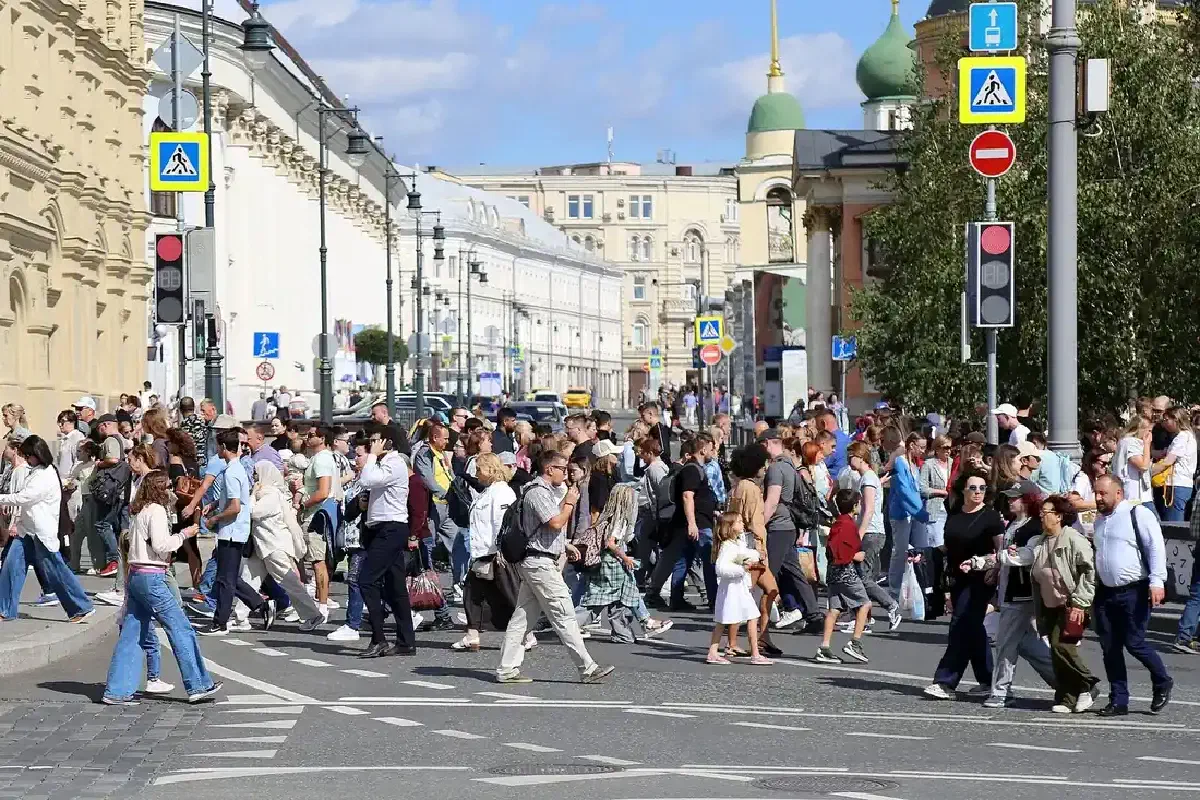
It is a good idea to plan for the extreme scenarios: a night in the woods, a riot, a disaster. But most of the danger in a city is ordinary. You are far more likely to see a car accident, a bad fall, a mugging or a cut hand than a collapse of society. Preparing for urban survival means being ready for the common threats of a typical city first, and for the rare catastrophe second.
Gear helps, but skills weigh nothing and can’t be taken from you. This guide groups the skills that matter most, starting with the ones you will use every day.
Awareness comes first #
Most people go through the day locked inside their thoughts and barely notice what is happening around them. You hear it in police reports: “it all happened so fast” or “he just came out of nowhere.” A mugger doesn’t materialize out of thin air. The most important urban survival skill is awareness of your surroundings, and it includes several habits:
- Understand the common dangers. Some areas are more dangerous than others, some crimes are more frequent, and some situations turn from conflict to assault.
- Learn how criminals think. Read about the criminal mindset and how attacks are set up, so you know what to watch for.
- Use your eyes and ears. Scan the area before you unlock your car or take money from an ATM. Glance at dimly lit corners and bushes. Don’t stare at your phone while you walk.
- Have an escape plan. Even good plans fall apart, and you need a bug-out strategy for the worst case. Identify the exit before you enter a room or an area.
- Avoid high-risk routes and situations: dimly lit streets, bars at the edge of the bad part of town, arguments with shady-looking characters, and getting so drunk you can barely stand.
- Look for the signs of trouble building. Most human conflict follows a script with a beginning, an escalation and a climax. If you can spot the early stage, you can talk it down, create a distraction or leave.
Awareness also means reading people without staring at them. With practice you notice danger signs well in advance. You don’t need to become a special forces operator. Knowing your surroundings and the common threats is enough to keep you out of most harm.
Build a mental map of your city as well. Explore it, learn the layout of key streets, parks and public facilities, and note landmarks and street signs. If GPS fails or your phone dies, that map is what gets you home. Learn to read a paper map and use a compass too, since understanding symbols and scale lets you plot alternative routes. Know your back roads and alleys, because main routes become congested or blocked in a crisis, and know the emergency exits in the buildings you use.
Blending in #
How do you hide where thousands of eyes are watching? You hide in plain sight. Blending in is an art most people overlook, yet it is critical in a city. It helps you avoid being the target of whatever is going on, whether that is a looter, a scavenger or an official looking for someone suspicious after a disaster. Act like another ordinary person in town.
A few specifics:
- Skip the hat. Many people wear hats to hide their faces, but most people around you don’t, and after a disaster authorities look for anyone hiding a face.
- Avoid eye contact. It makes it easier to be confronted and makes you easier to remember. A grey man moves through public places without anyone realizing he was there.
- Match the pace. Don’t walk too fast or too slow. Walk like the people around you.
- Use cover. Stay in shadow and close to buildings or natural cover, not in places where everyone can see you.
- Inspect first. Look at a street carefully before you walk down it.
- Wear neutral colors. Gray, dark blue and dark green work. Avoid bright colors like red, yellow, pink and orange, and avoid tactical colors like camouflage or black, which make you stand out and make people think you are dangerous. A plain T-shirt and jeans will do.
- Hide your valuables. Keep money, jewelry and electronics out of sight. A backpack over your shoulders signals that you might have a laptop in it, so keep the straps snug.
- Don’t film. In a disaster it is tempting to record, but pulling out a phone makes you stand out, and thugs will take advantage of someone distracted.
First aid #
I’m always amazed when I see self-defense “experts” spend an hour on knife techniques and throws and never mention how to treat a wound. Basic first aid is far more useful for keeping people alive than boxing or knife-fighting ever will be.
You should know how to dress wounds, apply bandages and treat common injuries like cuts, burns and sprains. Learn to clean and disinfect a wound, apply a sterile dressing and stop bleeding, to immobilize a suspected fracture, and to recognize heart attack, stroke and allergic reaction, so that you can respond quickly. CPR and rescue breathing can keep someone alive until professionals take over. Chest compressions and breaths are skills you can’t pick up from a blog post, so take a class. Organizations like the Red Cross offer first aid training, which is the most efficient and affordable way to improve your chances in most emergencies.
Defensive driving #
We spend a good part of our lives in cars. Besides the risk of an accident, there are muggings, carjackings and stalking. Few people know how to drive well, let alone use evasive tactics under stress. A defensive driving course is the easiest fix. Once you have a few advanced techniques, you will be safer on the road and ready to evade a stalker or a violent criminal. After a major disaster, driving through a city is even harder. Better skills help you avoid congestion and the stress that goes with it.
Conflict resolution #
Whether it’s an agitated customer at a fast food counter, an aggressive drunk at a bar or an argument over supplies in a survival scenario, you need to keep things from getting out of hand. Spotting trouble in advance and avoiding it is the preferred strategy. When you can’t avoid it, know how to talk to people who are angry or anxious, calm them down or at least avoid making it worse.
Staying calm under pressure and helping others stay calm is an invaluable ability, but it takes time to develop. Work on it every day. Listening and body language are both part of communication, and learning to read body language helps you avoid trouble before it starts. De-escalate by staying composed, speaking in a calm but firm tone and trying to understand the other person’s perspective. Avoid unnecessary arguments altogether.
Physical self-defense #
Self-defense has a precise definition in the legal system, and you need to understand your rights. It is also about much more than throwing a punch or firing a gun. When you have exhausted every other option, a physical confrontation may be necessary. The problem is that many people are either untrained or trained to fight, not to defend themselves, and the two are different. There are different levels of force, and each suits a particular situation but is either inadequate or overkill in another.
- Low level (light takedown, restraint, pain compliance): for an agitated or drunk person, family, friend or stranger, who is verbally abusive and starting to get physical, such as shoving or pulling someone by the hand.
- Mid level (leg kick, hard takedown, choke hold): for someone who is getting physical and working up to more violence, such as grabbing by the neck, pulling hair, twisting an arm, slapping or screaming.
- High level (power punch to the chin or solar plexus, groin kick, hard throw, wall slam, choke out): for an aggressive attacker intent on harming you, who is throwing punches, trying to throw or choke you or reaching for a weapon.
- Deadly force (weapon use or severe physical force): when someone has a weapon and is coming for you, or several people are attacking, and you feel you are in imminent danger of great bodily injury or death.
Find two useful techniques for each level and practice them daily until they feel natural. Basic techniques like punches, kicks, palm strikes, pressure points and joint locks, plus escapes from holds such as bear hugs and headlocks, give you ways to create an opening and run. Target the eyes, throat, nose and groin. Everyday objects can serve too: a pen as a makeshift knife, a belt, or a heavy bag to keep distance. Avoid physical confrontation whenever you can. Running away is not weakness. It is self-defense, especially when you aren’t prepared to face your opponent.
Escape and evasion #
If you need to get away, use cover, blend into crowds and take alternative routes. These skills take planning, agility and the ability to think under pressure. Learn to find the back roads, alleys and unconventional paths that lie beside the main route. When you are in a riot, the best move is to have avoided it: research an area before you visit, and know your alternatives.
Fire safety #
Cities pack buildings, electrical systems and fire hazards close together. Learn to spot faulty wiring, flammable materials and overcrowded spaces. Know how to use a fire extinguisher, and know that fire blankets are good for smothering small kitchen fires. If you must escape a burning building, know the exits, practice drills, check doors for heat before you open them, cover your mouth and nose with a wet cloth, and stay low where the air is less toxic.
Water, food and shelter #
Learn to find and purify water: collect rainwater, filter with improvised methods, boil or use purification tablets. Learn urban foraging and the edible plants that grow in a city. Understand food storage, with cool dry places and sturdy containers, and rationing that prioritizes essential nutrients.
For shelter, learn to build a temporary one from debris, tarps or improvised structures, to find alternatives such as public facilities or relief organizations, and to protect yourself from extreme heat, cold and storms. Prepare for chemical or biological hazards by understanding the risks, having protective gear and knowing local emergency protocols and evacuation routes.
Scavenging and resourcefulness #
A city offers abundance. If you know where to look, you rarely face a real shortage of supplies or materials. Scavenging isn’t a skill so much as a mindset: keep your eyes open so you don’t miss useful things.
Scavenging is not looting. After a hurricane you may see people walking out of grocery stores with all they can hold. Looters survive by taking advantage of others, while scavengers take what has been discarded and is unlikely to be missed or used again.
To be a better scavenger, work with a team. Scouts tell you which areas are empty and which have bandits waiting, and a radio and binoculars let you stay in touch and spot compromised areas. If you lose contact with a scout, something is wrong, and you send reinforcements. Scouts should note obstacles like ditches, barbed wire fences, high walls and streams. Local maps and planned alternate routes help avoid problems on the way.
Places worth checking include automotive shops, cars (the battery gives power and the wires work as insulation), churches that offer food to people in need, distribution centers such as warehouses and grocery stores, dumpsites, government buildings that may have solar panels, hospitals that tend to have food, clothing and medicine, and houses, where you should check the basement, garage and yard.
Improvise tools too. A plastic bottle becomes a water container, a coat hanger a fishing hook, a shoelace a replacement strap. Adapt, prioritize, and make quick decisions.
Communication #
Learn basic emergency signals such as SOS, and how to send distress signals with a mirror or flashlight, by banging objects together or with high-visibility markers. Use phones and radios effectively: dial emergency numbers, save battery, speak clearly. Set up communication networks with other survivors so you can share information and coordinate mutual aid.
Mental resilience #
Stay calm and focused. Manage stress with relaxation techniques, mindfulness, or positive self-talk, acknowledge fear and uncertainty, and build mental strength. Afterward, deal with stress and trauma: exercise, journal, or talk to someone you trust.
Basic skills for a kit and a home #
Know how to produce light and heat, from flashlights, candles and solar devices to fire. Secure your belongings with locks, improvised alarms and concealed storage. Learn basic DIY repairs, like fixing a broken window or a loose doorknob. Build and maintain a supply kit with food, water, first aid supplies and tools, and refresh it regularly.
Practice #
All these skills need practice and consistency. Do your research before visiting new places, learn your own area and stay aware of your environment. Hide valuables and wear neutral colors to avoid attention. Work on your communication so you can calm people down when you can’t fight or run. Keeping yourself and the people you love safe in a city is about preparation. Once you know what to look for and how to deal with it, you only need to hone a few useful skills to stay out of trouble.
For the carry side, see the urban survival kit checklist. The grey man article goes deeper on blending in, and the survival skills hub links the rest of the series.