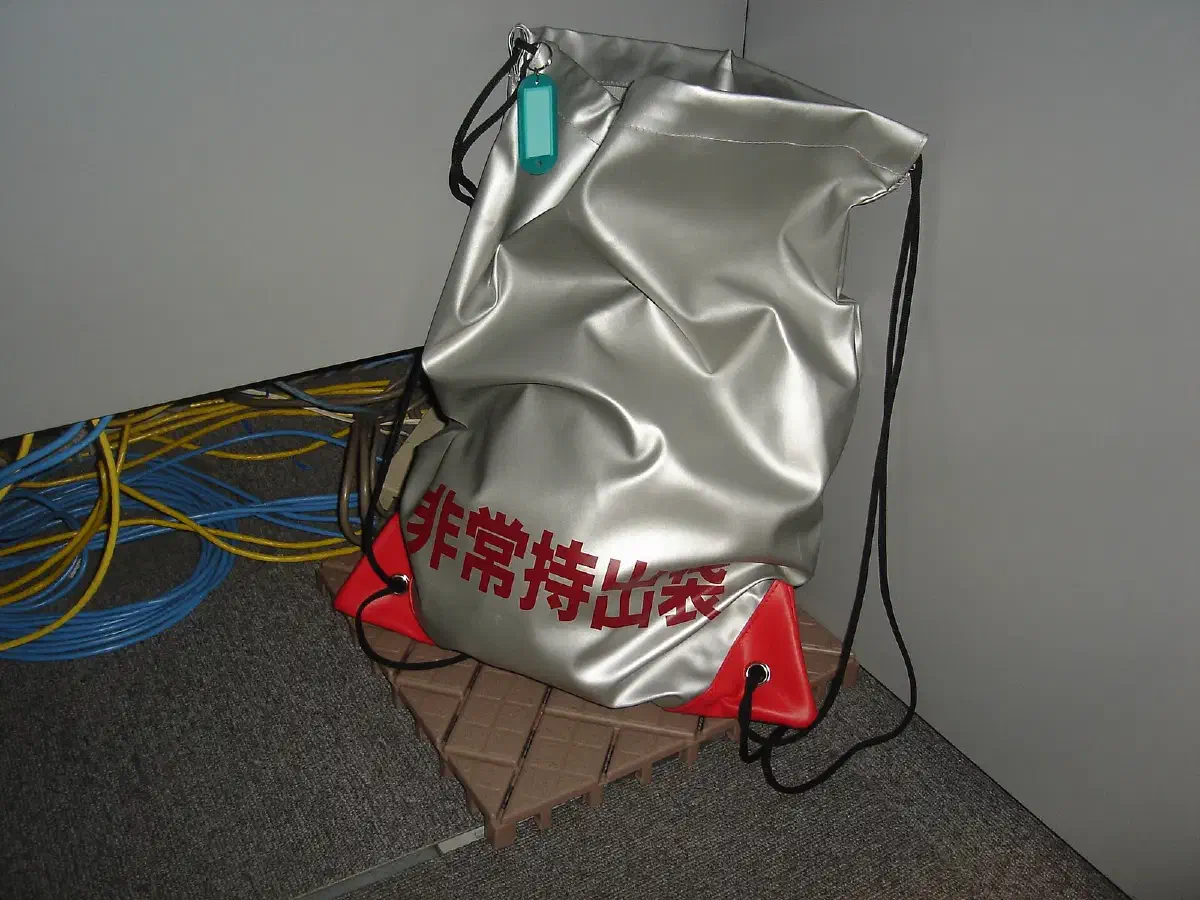
A kit built for the wilderness assumes you can walk away from the problem. A kit built for a city assumes the opposite: the problem is the city itself, with its dead traffic lights, dry taps, jammed phone networks and crowds that have all had the same bad idea at once. You may be at your desk when it happens, forty minutes from your front door and your pantry shelf. That gap between where your supplies are and where you are is the reason an urban survival kit exists.
It also changes what belongs in the bag. Skills and equipment together carry you through an emergency, and you don’t need to be a soldier in training or a dedicated urban survivalist to see the point. Good gear helps whether you live in a city apartment or a house in the country. This list covers what to carry, why each piece earns its weight, and how to store the whole thing so you can find what you need in the dark.
Why a kit matters when your supplies are at home #
You cannot predict when an emergency will arrive, and having a stocked cupboard at home is only half the answer. Picture a disaster that hits while you are at work. Roads are blocked, transit has stopped, and you cannot get back to your own supplies. People lose property and stores to fires and floods every year, and the ones who cope best are usually those who planned past the front door.
There is also a plain safety argument. Some people assume cities are safer than rural areas and so need no defensive tools. Large cities such as Chicago see more crime than many people realize, and a mugging or a wrong turn in an unfamiliar neighborhood can leave you with nobody nearby to help. Surviving in an urban setting means having the mental capacity, the physical ability, the skills and the equipment to deal with natural or manmade disasters. The kit covers the equipment part.
Two questions shape everything below. What do you need on you every day, and what can you stage somewhere else? Water, a light and a way to call for help travel with you. A tent does not. If you need shelter, an urban area offers plenty of buildings, and you can use them.
The things you cant do without #
Food, water and shelter come first. You can’t carry a tent in a work bag, but you can always carry a bottle of water, and you should. Water helps keep you steady when you are under stress, and a full bottle buys you time to think while you work out your next move.
For shelter, read the buildings around you. Offices, stairwells, parking structures and public buildings will do for a night or two.
If you find food left behind in an abandoned store or home, it can make sense to use it. Staying alive and fed matters more than etiquette. One rule is firm, though: never eat anything that has touched fire, floodwater or firefighting water. Contaminated food will put you out of action faster than hunger will.
Finally, tell someone you are safe. Reach your family if you can, keep your phone on, and ration the battery so you can check in again later.
Light and power #
Expect darkness. Power cuts are one of the most common results of an urban emergency, and a light helps you move, find your gear and signal.
A headlamp keeps your hands free. The Petzl Zipka Plus is light, compact and very bright, at about $35. On a tighter budget, the Kikkerland 9 Volt LED flashlight costs under $10, is small enough to grip in your mouth and is bright for its size. When you choose any emergency flashlight, weigh five things: build quality, battery life, size, portability and brightness.
Carry spare batteries for it. A light that dims at the wrong moment is a particular kind of misery, and replaceable cells are cheap insurance.
A fully charged power bank keeps your phone alive through an outage. Charge it on a schedule, and buy one with a decent capacity, not a lipstick-sized novelty.
multitool, cord and glue #
A multitool turns one pocket-sized object into a small workshop. The Leatherman Juice S2 has pliers, wire cutters, a knife, scissors, a combination bottle and can opener, a Phillips screwdriver and three sizes of slotted screwdriver. It costs about $40. If you would rather spend closer to $10, the Gerber 01471 is heavier and sturdier, with a serrated blade and a saw added to the same basic tool set. Whatever you choose, make sure it has a knife, a can opener, pliers, scissors, tweezers and a screwdriver. Blades and saws matter as much as pliers.
Cord is older than duct tape and still does the job. Buy 550 lb. test nylon paracord. It is about half the width of a pencil, ties good knots and costs little, around $10 for a generous length. In a city kit it hangs a shelter tarp, makes a clothesline, replaces a broken shoelace, lashes heavy luggage together and secures gear to the back of a pack.
Pack a small tube of superglue too. A shoe sole can peel away at the worst possible time, and glue fixes it, along with plenty of other broken things. Safety pins do the same for torn clothing when you have no time to sew.
A folding knife is the best all-purpose blade you can easily conceal. Check your local laws before you buy, because carrying a knife in public is illegal in some countries and many places restrict blade length or style. Choose a sturdy folder that can open boxes and cut cord without a fuss.
Fire and warmth #
Hypothermia can end a bad night, and fire is not only for wilderness trips. Sometimes you will have to spend sleepless hours outdoors, and a fire keeps you warm, cooks food and sets a boundary against wild animals.
Carry more than one way to light it. Lighters are reusable but bulky, and they fail. Matches are compact but single-use. A flint striker lasts and doesn’t care if the lighter dies or the water bottles freeze. Skip the cheap plastic lighters that crack when dropped, and look at waterproof matches instead.
Fire is not the only thing keeping you warm. Pack clothes you can rotate, and keep a poncho in the bag, since wet clothes lose heat fast.
An emergency blanket weighs almost nothing. It is a thin metal-coated sheet, developed for space travel, in gold or silver foil. You have seen first responders wrap accident victims in them. Despite the odd look, these blankets reflect up to 90% of the heat your body gives off, which makes one a must-have item.
Water, food and sanitation #
City water works because of pumps and treatment plants. When those fail or get damaged, clean water vanishes even in a place that seems to have plenty of it. A water filter lets you treat sources contaminated with bacteria or viruses. Water purification tablets are a lighter backup. Do not rely on tablets alone. Think through the scenario where you run out of everything, and carry a second method.
For food, pick items that need little or no preparation. Canned food, MREs, energy bars and ready-to-eat packs let you eat when you have no time, fuel or clean water. Emergency food packs come as lunch packs and three-day packages, and they suit a bug-out bag well. A spork lets you eat without worrying about dirty hands.
Cash is easy to forget. If you can’t reach food through normal channels, you may have to buy it from a neighbor or from a store still working by hand. Budget what you have. Skip salty foods and nuts, which make you thirstier, and look for high-nutrition food that keeps you full.
Pack personal hygiene items as well: soap, a toothbrush and toothpaste, a small towel, and sanitary supplies that will last for women. Staying clean keeps infections down and morale up.
First aid, protection and communication #
A first aid kit is not a place to cut corners. Military-style kits appeal to urban preppers because they include tourniquets and burn dressings, which can matter when professional help is slow to arrive. Whatever you buy, add adhesive bandages, gloves, sanitizer, gauze, antibiotics, painkillers and any personal medication. Keep it all in a waterproof, puncture-proof container, and tuck in printed instructions on how to treat common injuries. Check expiry dates regularly so the kit isn’t full of useless items when you need it.
Dust, smoke and particulate fill the air after a building collapse or major fire. Protect your eyes with safety goggles, which are cheap and effective. Wear a respirator mask rated N95. Keep a pair of tough work gloves in the kit too. Your hands are your main tool, and covered hands can move rubble, open doors and handle hot or sharp things without injury. Add ear, knee and head protection if you can.
For signaling, carry a whistle on a cord around your neck so it is always in reach. It carries further than your voice, especially if you are hurt, short of breath or ill. Practice using it. A portable emergency radio with spare batteries tells you what is happening beyond your block, so you can act on updates before conditions change.
Self-defense tools #
Self-defense deserves a sober look. In some countries a stun gun is the only legal option. It isn’t a perfect solution, but it delivers a painful hit and a fierce noise, and that is often enough to stop a fight or let you leave. Check your local rules before buying any such device, and learn how to use it. A folding knife also serves as a tool, and a pepper spray or personal alarm may be simpler and legal where you live.
How to store your kit #
Sort the contents by category: first aid, light and power, tools, food and water, hygiene. Pack each category in its own plastic bag, label every bag with what is inside, and put the bags in one large water-resistant container, such as a bucket or a Rubbermaid tub. In an emergency you can grab the correct bag without opening four others.
Keep a smaller version in your work bag or car. Weight is the enemy of mobility, and movement is what keeps you alive in a crisis. The more you carry, the slower you go. There is no ideal list. Think about your city, how safe it is, your skills and your physical ability, and build the kit around those.
One tip from experience: during a long emergency, avoid staying in one place all day. Walk a little, clear your head, and keep a small bag with the few things you need for the day.
A kit is only as good as the person using it #
Everything above is useless if you don’t know how to use it. Light a fire a few times before you need to. Tie a few knots. Open the first aid kit and read the instructions while you are calm. Surviving in a city is different from surviving in a rural place, and the margin comes from preparation and practice more than from gear. Build the kit, learn it, and carry it.
Once the bag is packed, learn to use it with the essential urban survival skills guide, and if you have to leave on foot, read navigating post-disaster cities. For a longer-range pack, see the bug-out bag guide and the wider survival skills hub.