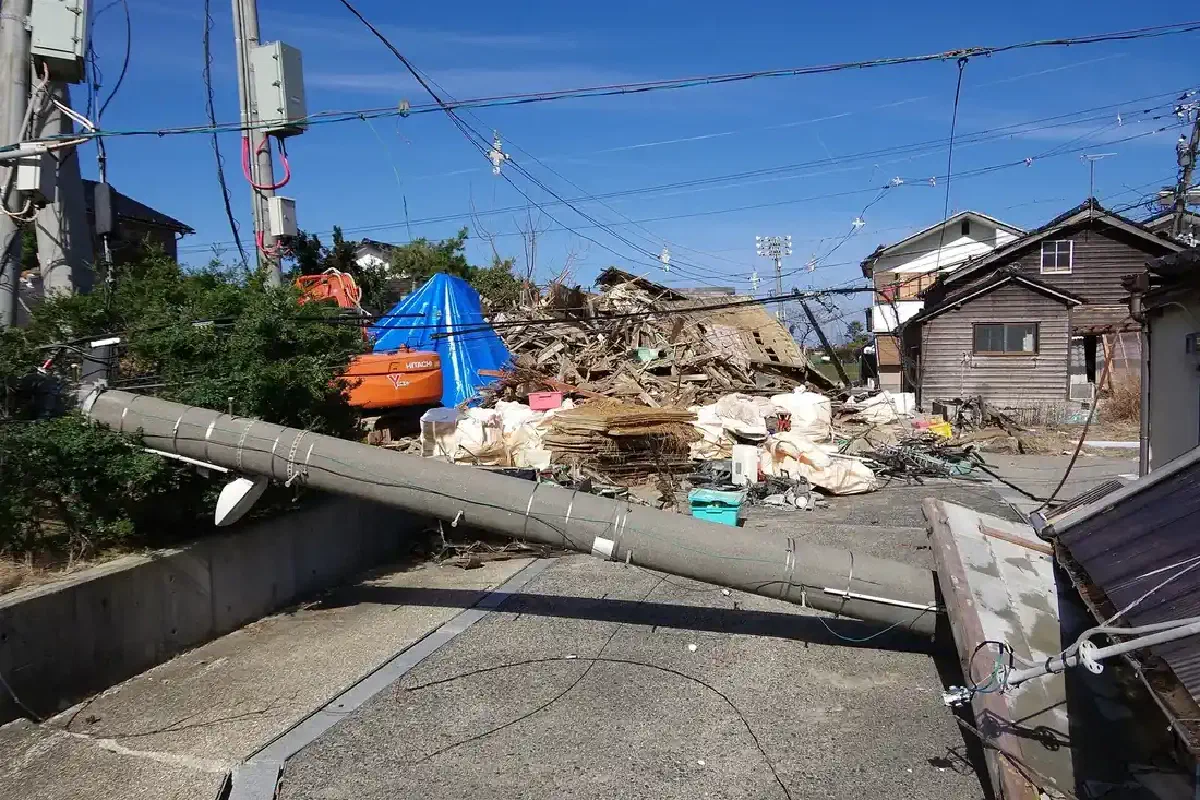
After a hurricane, an earthquake or an attack, a city doesn’t fail all at once. It fails in pieces. Streets are blocked by debris, power lines are down, the cell network jams, and the route you have driven a thousand times is suddenly the worst way to go. Getting through takes a clear head, a plan made in advance and a willingness to change that plan as you go.
This guide covers the whole trip: what to carry, how to read the scene, how to plan a route, how to handle resources and strangers, and when to stop moving and shelter in place.
Prepare before anything happens #
Cities are densely populated, and resources run short quickly when something goes wrong. A plan that exists only in your head won’t survive the first hour, so write it down and rehearse it.
Pack a bug-out bag #
Keep a bag ready by the door or in the car. It should hold water, food, first aid supplies, any necessary medications, a flashlight with a whistle, a multitool and a map of the local area. If you have to leave, you grab it and go.
Learn the ground #
Know your urban environment well before you need it. Walk and drive different routes. Note landmarks and alternative paths in case your main route is blocked. Locate emergency routes and evacuation procedures for your area, and find the nearest safe zones: designated emergency shelters, public buildings, underground parking garages or sturdy structures you could use if needed. Knowing where they are gives you somewhere to aim.
Carry a map and compass #
GPS and phones fail when power or networks go down. A paper map and a compass don’t. Learn to read the map and use the compass to hold a direction accurately, and practice before you need to.
Assess the scene #
Before you move, stop and look. Take a moment to observe your surroundings and gather information. Look for fires, downed power lines, unstable structures and injured people who need help. Understand the immediate dangers before you decide what to do next, because decisions made without that picture are the ones that get people hurt.
Pay attention to things that signal danger: smoke, the smell of gas, crowds moving quickly in one direction, and sudden silence. Avoid high-risk areas, where fires, gas leaks or looters are likely. Choose alternative routes that are less crowded and have fewer potential hazards.
Communicate and stay informed #
Set up communication #
Have a way to reach others, whether by cell phone, two-way radio, whistle or signal mirror. Agree a communication plan with your family or group in advance. Decide where to meet if you are separated, how often you will check in, and what to do if cell networks are down. Everyone should know the meeting point.
Know whats going on #
Information is power after a disaster. Listen to emergency broadcasts on a battery-powered radio or check news sites and social media for updates, and follow any instructions or advisories from local authorities. Treat social media with some caution, since rumor spreads fast during a crisis, but it can show you where roads are blocked.
Plan and travel your route #
Map the safest route to where you are going before you set out. Identify landmarks, emergency shelters and other points along the way, and be ready to adapt as conditions change and new information arrives. Plan alternate routes early.
When you move, travel carefully. Watch for debris, damaged buildings and other hazards. Stick to main roads and well-lit areas where you can, and avoid shortcuts through alleys or unfamiliar areas. Be prepared to change course if the way ahead looks wrong. Staying flexible matters more than staying on your original plan.
Moving in a group #
Traveling in a group gives you safety and support. You can share resources, knowledge and skills with other preppers or like-minded people. The trade-off is visibility. A large group attracts attention, so keep it small.
Manage your resources #
Prioritize your essential needs: water, food, shelter and first aid. Check that your bag holds enough of each, and ration what you have so it lasts as long as possible.
If supplies run out, you may need to scavenge. Learn basic skills such as finding water sources, recognizing edible plants and repurposing items you find. Be resourceful and creative with what is around you.
Trading and bartering with other survivors can also fill gaps. Mutually beneficial arrangements with other preppers or neighbors can get you something you lack in return for an item or a skill you have.
Stay safe from people #
Self-defense is part of urban navigation after a disaster, and the best defense is avoiding the fight.
Carry self-defense tools such as a knife, pepper spray or a whistle, and make sure you are trained in using them. Practice regularly. Avoid confrontation whenever possible. If you meet dangerous people or groups, try to de-escalate and find another route. Your goal is to get through, not to win.
When you stop to rest or shelter, set up a security perimeter. Alarms, traps or lookout posts can detect and deter approaching dangers, and they give you time to react.
Seek shelter when you must #
If you can’t reach safety right away, find shelter until help arrives. Look for sturdy buildings, underground structures or other secure places where you can get out of the weather. Avoid areas prone to flooding or landslides, make sure your shelter is well ventilated and easy to leave, and stay put until you get instructions or help from emergency responders.
Help others, within limits #
Look out for people. If you find someone who is injured or distressed, assess the situation and help if you can do it safely. Offer first aid, share food and water, pass on information, and offer emotional support. Working with others strengthens your community, and when your own situation has stabilized, a helped neighbor may be the one who helps you later. Don’t put yourself at risk to do it. You are no use to anyone if you become another casualty.
Keep your head #
Panic clouds judgment and slows you down. Stay calm and focused. Take slow, deep breaths, assess what is in front of you, and make decisions from the information you have. Focus on the present. Trust your abilities.
Trust your instincts as well. If something feels wrong, act. Listen to your gut and watch for signs of danger or opportunity. Intuition is quick, and it is often right when you can’t say why.
Staying positive is practical, not sentimental. Hope and determination keep you moving, and small victories, such as reaching the next landmark or finding a working water tap, add up.
What to have in hand #
Keep the essentials in reach, not buried at the bottom of the pack. The short list is water, non-perishable food, first aid supplies, medications, a flashlight and a whistle. For communication, a phone, a two-way radio, a whistle and a signal mirror each cover a different failure: a dead network, a dead battery, a lost voice, a need to be seen from a distance. For information, a battery-powered radio is the one item that keeps working when everything else is down. Put these in a pack you can carry for hours, and test the radio and flashlight every few months so a flat battery isn’t the thing that finds you first.
A short checklist #
- Bag packed and within reach; paper map and compass inside.
- Two or three routes known, with safe zones marked.
- Family meeting point and check-in plan agreed.
- Battery radio to hand; phone charged.
- Assess the scene before moving; avoid fires, gas, downed lines and crowds.
- Small group, low profile, calm head.
A post-disaster city is dangerous, but it is navigable. Assess, communicate, stay informed, plan your route, travel carefully, help where you safely can, keep calm, shelter when needed, and trust your instincts. With a proactive and cautious approach, you can get through and come out stronger on the other side.
Moving fast on a bike or in a car is its own topic; see tactical urban mobility. If you have to stop for the night, crafting emergency shelter with urban debris helps, and the survival skills hub has more on shelter and navigation outside the city.