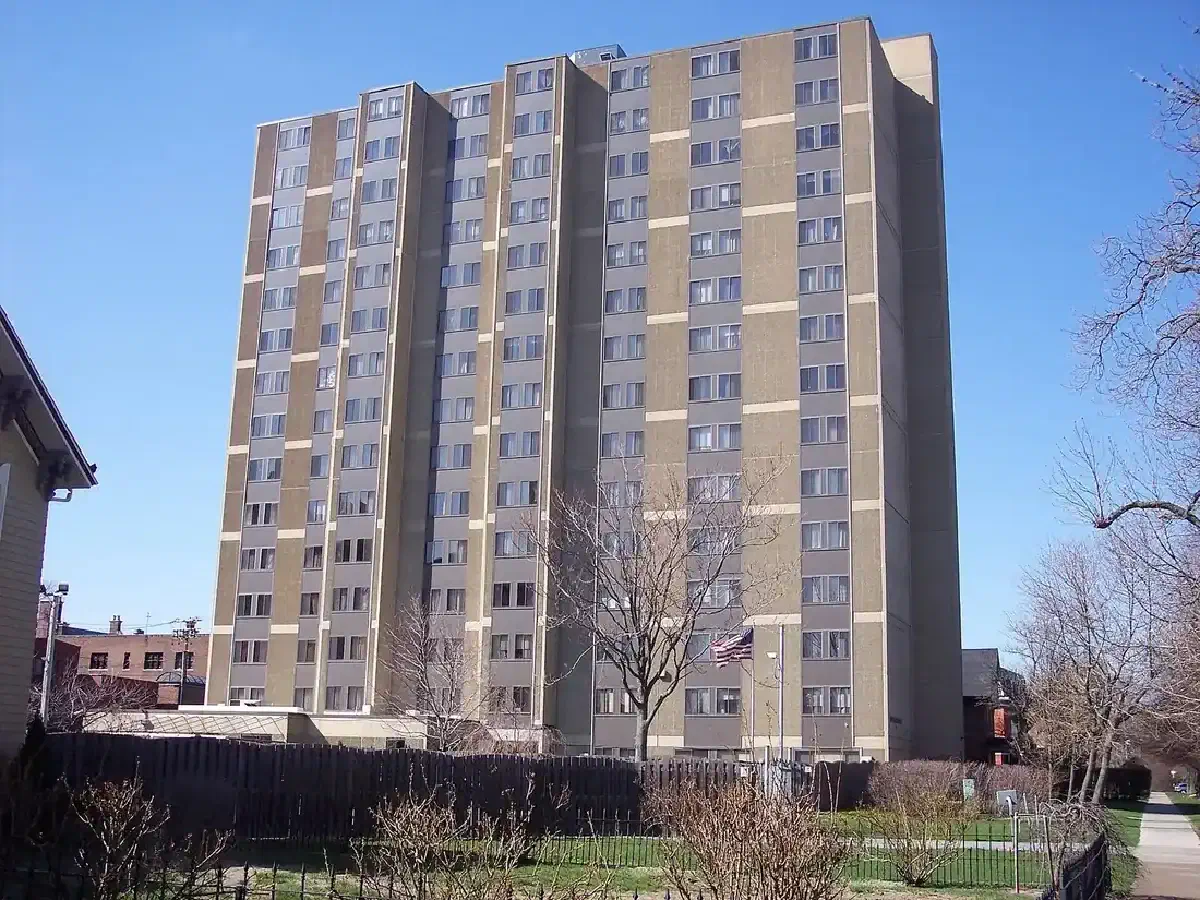
An apartment gives you less control than a house. You don’t own the walls, you share the hallway and the lobby, and your neighbors’ habits affect your safety as much as your own. That doesn’t mean you are powerless. Most of what keeps an apartment secure costs little and takes a weekend, and the same habits that stop a burglar also help in a fire, a blackout or a longer emergency.
This guide works from the front door inward, then out to the building, the neighbors and the household risks that prepping tends to overlook.
Start with the door #
Your door is the first line of defense. Check what it is made of. A solid-core door in metal or wood is much harder to break through than a hollow one. Fit a good quality deadbolt, and use it every time, including when you are at home.
Don’t leave spare keys in obvious places like under the doormat or in a flower pot. Give one to a trusted neighbor, or skip the spare altogether.
Add a peephole so you can see who is outside before you open up. Pick one with a wide viewing angle for the best visibility. A video doorbell does the same job and keeps working when you aren’t home, since you can see who is at the door from your phone.
A door security bar is an affordable reinforcement. It sits at the base of the door and stops it being forced open, and it gives you real peace of mind when you are alone at night.
Windows #
Windows are another common way in, so treat them the same way. Make sure every window locks, and lock them when you leave. Window security film makes glass harder to break and can put off a burglar. Window alarms are cheap, simple to install and loud, and they sound as soon as a window opens, which alerts you and may scare off an intruder. Security bars are an option on lower floors.
Don’t leave valuables in plain sight near a window. What a burglar can’t see, he is less likely to come looking for.
Cameras, alarms and smart locks #
Smart technology gives you more control of your living space. Smart locks can be operated remotely, so you can lock or unlock the door from anywhere. A video doorbell shows who is at your door when you are away.
If you want cameras, place them at key entry points such as the front door and windows. Look for motion detection and night vision, and check regularly that they work. A full alarm system with door and window sensors, motion detectors and a loud siren adds another layer, and some offer remote monitoring so you can watch the apartment while traveling. Test the system regularly. A system that isn’t tested is a system you can’t rely on.
Know your neighbors #
Neighbors are a security measure. When you know and trust the people around you, you can watch out for each other. Exchange contact information with trustworthy neighbors who can keep an eye on your apartment when you are away. If your building has a neighborhood watch group, join it so you hear about concerns early. If it doesn’t, think about starting one. Communication is the point: people who talk to each other notice when something is off.
A wider sense of community pays off in emergencies too. Share information about security concerns or incidents, and consider organizing a get-together or a building meeting. The more people look out for each other, the safer everyone is.
The building around you #
You can lock your own door and still be exposed by what happens in the lobby, the parking garage or the laundry room. Make sure these shared areas are well lit and secure. Report broken locks and burned-out lights to building management or the landlord, and do it quickly.
Never prop open a door that should be locked, and always lock common-area doors behind you. Don’t let strangers into the building. If the building has access control or a security system, make sure it works and follow the rules. A building’s security is only as strong as its weakest link.
Lighting does a lot. Motion-sensor lights near entryways and dark corners make an area less appealing to burglars and help you feel safer at night.
Fire safety and emergencies #
Fire is probably the likeliest serious emergency you will face in an apartment, so give it the same attention as theft. Check that your apartment has working smoke detectors and carbon monoxide alarms. Test them regularly and replace the batteries when needed. Keep a fire extinguisher in the kitchen, and put others in key areas of the apartment, and make sure everyone knows how to use them.
Make a fire escape plan and practice it with the people you live with. Find your building’s emergency evacuation routes, which should be posted, and walk them before you have to. Taking a CPR or first aid course is worth the time.
Keep an emergency kit with food, water, first aid supplies and a flashlight. Plan for power outages as well: stock flashlights, batteries and non-perishable food. A portable generator can provide backup power in an extended outage, though check your building’s rules first, since many leases and fire codes restrict fuel-burning equipment indoors.
The security you cant see #
Not every risk comes through the door. Your Wi-Fi network is part of your home’s defenses. Change the default password on the router and use a strong, unique one. Enable encryption such as WPA2, and set up a guest network for visitors so your main network stays private.
Protect personal information in general. Shred documents that contain sensitive details before you throw them away, be careful what you share online, and don’t click on suspicious links or emails.
Pets and household safety #
If you have pets, count them in your plan. Pet-proof the apartment to prevent accidents: keep toxic substances out of reach and secure electrical cords so they can’t be chewed. Consider microchipping your pet, or fit a collar with identification, so a lost animal can be returned. Include pet food and water in your emergency supplies.
Self-defense #
Learning basic self-defense helps you feel more confident and prepared. Consider taking a class. Keep a self-defense tool such as pepper spray or a personal alarm within reach. Remember what self-defense is for: the goal is to escape a dangerous situation, not to engage in a physical fight.
Think in layers #
No single device makes an apartment safe, and the cheapest measures work best when they stack. Start at the outer edge: a building with working access control and decent lighting. Then the door, with a solid core, a deadbolt and a bar. Then the windows. Then the alert layer, which is cameras, alarms and the neighbor who notices a stranger. Finally the inside layer, where you keep valuables out of sight and know how to get out.
Each layer slows a burglar down or makes noise, and burglars dislike both. If you can only afford a few things this month, put the money into the door and the lock first, because that is where most people will try, and then the alarms.
Walk through your apartment once as if you were trying to get in. Where would you try first? Which window is hardest to see from the street? Which door lets you slip in behind a resident? The weak spots you notice in ten minutes are the ones worth fixing this weekend.
A weekend checklist #
If you want a place to start, work through this list in order.
- Replace or reinforce the door, add a deadbolt and a peephole or video doorbell.
- Lock the windows and add alarms or film.
- Test smoke and CO detectors; put an extinguisher in the kitchen.
- Change the router password and turn on encryption.
- Introduce yourself to two neighbors and swap numbers.
- Walk the evacuation route.
- Pack an emergency kit.
Security is a collective effort, and everyone in the building plays a part. Do your part, stay vigilant, and be prepared for whatever comes through the door, or doesn’t.
Building-wide systems are a separate problem, covered in security measures for high-rise buildings. Keep the urban survival kit checklist by the door with your evacuation route, and see the survival skills hub for the rest of the skills side.