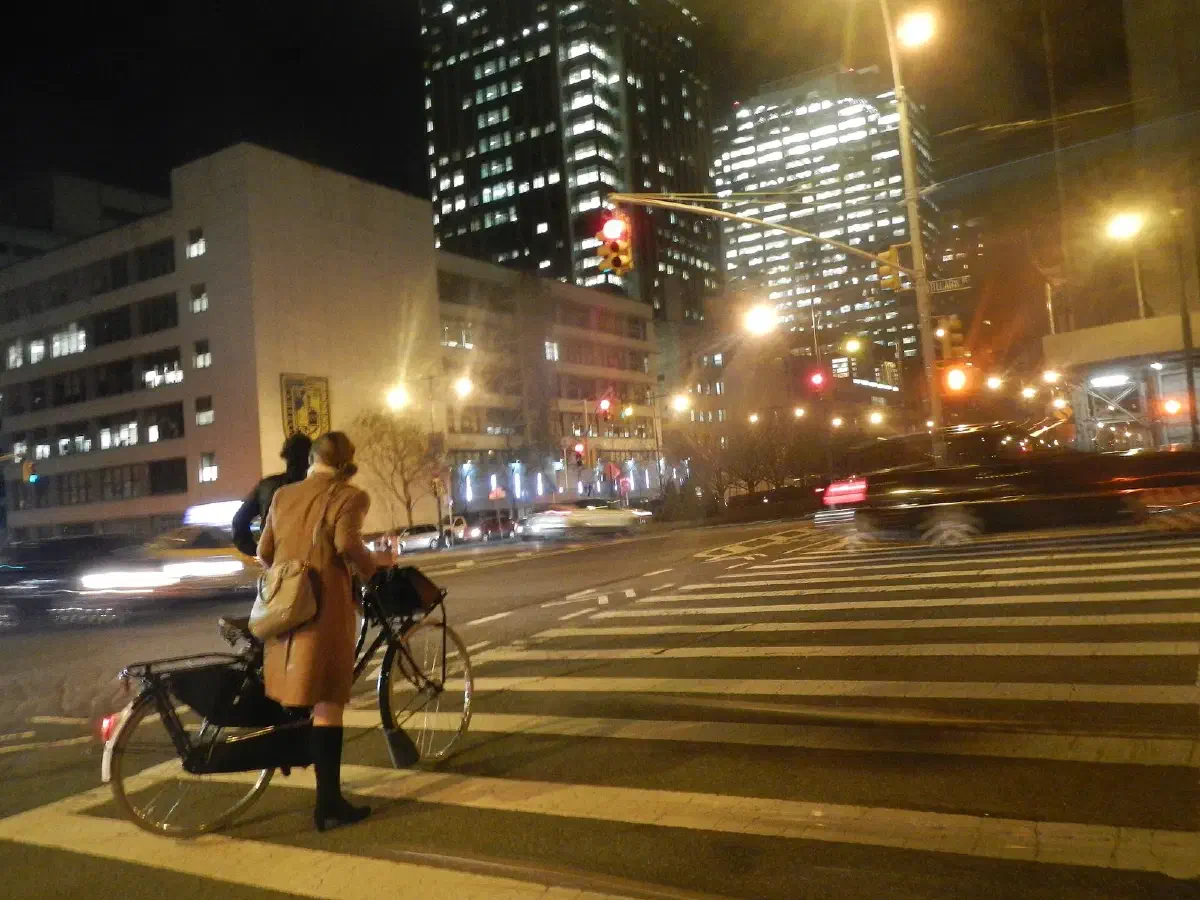
Getting through a city during an emergency or disaster means dealing with gridlock, obstacles, and crowds. This guide covers tactical urban mobility for preppers, from choosing the right vehicle to mastering urban driving techniques.
What is Tactical Urban Mobility? #
Tactical urban mobility is the ability to move quickly and safely through urban environments in a crisis situation. It involves using specific strategies, vehicles, and techniques to navigate through congested city streets, obstacles, and potentially dangerous situations. Whether you are evacuating during a natural disaster or trying to navigate through gridlocked traffic, tactical urban mobility is essential for preppers.
Why is Tactical Urban Mobility Important for Preppers? When a disaster strikes, traditional modes of transportation such as cars and public transportation may become unreliable or inaccessible. In urban environments, road closures, debris, and panicked crowds can make it challenging to evacuate or travel to safety. Tactical urban mobility equips preppers with the skills and tools necessary to navigate through these obstacles, increasing their chances of survival during an emergency.
Choosing the Right Vehicle for Tactical Urban Mobility #
One of the most critical factors in tactical urban mobility is choosing the right vehicle. Here are some key considerations to keep in mind when selecting a vehicle for urban survival:
Maneuverability #
In congested city streets, maneuverability is essential. Look for a vehicle that is nimble and can easily navigate through tight spaces and crowded roads. Smaller vehicles, such as motorcycles or bicycles, are often more maneuverable than larger vehicles like trucks or SUVs.
Off-road Capability #
While urban environments are primarily paved, there may be instances where you need to navigate through rough terrain or debris. Consider a vehicle with off-road capabilities, such as all-wheel drive or high ground clearance, to handle unexpected obstacles.
Fuel Efficiency #
In a crisis situation, access to fuel may be limited. Choose a vehicle that is fuel-efficient to maximize your range and reduce the frequency of refueling stops. Electric vehicles or hybrid cars can be excellent options for long-term sustainability.
Concealability #
During a disaster, you may need to move discreetly to avoid attracting attention or evade potential threats. Consider a vehicle that can be easily concealed or disguised to blend in with your surroundings, such as a nondescript sedan or compact car.
Storage Capacity #
Having sufficient storage space is crucial for carrying emergency supplies, gear, and provisions. Look for a vehicle with ample cargo space or the ability to install roof racks, trunk organizers, or bike racks to accommodate your belongings.
Urban Driving Techniques for Preppers #
Mastering urban driving techniques is essential for navigating through congested city streets efficiently and safely. Here are some tips and strategies to help you improve your urban driving skills:
Defensive Driving #
Practice defensive driving techniques to anticipate and avoid potential hazards on the road. Stay alert, maintain a safe following distance, and be prepared to react quickly to sudden changes in traffic or road conditions.
Route Planning #
Plan your route in advance to avoid road closures, traffic congestion, or unsafe areas. Use GPS navigation apps or maps to identify alternative routes, back roads, or side streets to reach your destination quickly and efficiently.
Vehicle Maintenance #
Regularly maintain your vehicle to ensure it is in optimal working condition. Check tire pressure, fluid levels, brakes, and lights to avoid breakdowns or mechanical issues while on the road. Carry essential tools, spare parts, and emergency supplies in your vehicle for repairs or maintenance.
Urban Survival Kits #
Pack an urban survival kit in your vehicle with essential supplies for emergencies. Include items such as water, food, first aid supplies, a flashlight, batteries, a multi-tool, a whistle, a map, and a basic tool kit. Store your survival kit in a secure location within easy reach while driving.
Defensive Parking #
When parking in urban areas, choose a secure and well-lit location to deter theft or vandalism. Be aware of your surroundings and avoid parking in isolated or high-crime areas. Consider using anti-theft devices or steering wheel locks to enhance the security of your vehicle.
Tactical Urban Mobility Accessories and Upgrades #
In addition to choosing the right vehicle and mastering urban driving techniques, there are various accessories and upgrades that can enhance your tactical urban mobility. Here are some essential items to consider adding to your urban survival kit:
Roof Racks and Cargo Carriers #
Roof racks and cargo carriers provide additional storage space for carrying gear, supplies, or equipment on your vehicle. Consider installing a roof rack with adjustable crossbars, cargo boxes, or baskets to maximize your storage capacity and transport bulky items securely.
All-Terrain Tires #
Upgrade your vehicle with all-terrain tires for improved traction and performance on rough roads, gravel, or debris. All-terrain tires provide better grip in adverse weather conditions, off-road terrain, or uneven surfaces, enhancing the handling and stability of your vehicle.
Recovery Gear #
Pack essential recovery gear in your vehicle to assist with extricating yourself from challenging situations. Include items such as a tow strap, recovery boards, a shovel, a winch, and gloves to handle stuck vehicles, mud, snow, or uneven terrain. Practice using your recovery gear to familiarize yourself with proper techniques and procedures.
Portable Power Supply #
Carry a portable power supply or jump starter in your vehicle to recharge electronic devices, jump-start a dead battery, or power essential equipment. Choose a compact and lightweight power bank with USB ports, AC outlets, or a built-in flashlight for emergency use. Keep your portable power supply charged and ready to use in case of a power outage or electrical failure.
Communication Devices #
Stay connected with reliable communication devices to call for help, coordinate with your group, or receive emergency alerts. Consider carrying a two-way radio, a satellite phone, a CB radio, or a handheld GPS device for communication in remote areas or low-signal environments. Keep your devices charged and protected from water or impact damage to ensure they are operational when needed.
Conclusion #
In conclusion, tactical urban mobility plays a crucial role in prepper preparedness and survival during emergencies. By choosing the right vehicle, mastering urban driving techniques, and outfitting your vehicle with essential accessories and upgrades, you can navigate through urban environments efficiently and safely in a crisis situation. Remember to practice your skills, stay informed, and be prepared for any scenario that may arise. Stay safe, stay vigilant, and stay mobile. Your survival may depend on it.
If the roads are closed, navigating post-disaster cities covers moving on foot, and the bug-out plan article covers where you are going. See also the survival skills hub.